What does a Small Engine Mechanic do?
A Small Engine Mechanic specializes in repairing and maintaining small engines. This role includes working on lawn mowers, generators, and similar machinery. The mechanic checks engine parts, tests their functionality, and performs necessary repairs. They ensure machines run smoothly and efficiently. Precision and attention to detail are crucial in this job.
The job also involves diagnosing problems and explaining repair needs to customers. A Small Engine Mechanic often works in repair shops, but may also provide on-site services. They use various tools and diagnostic equipment. Keeping up with new technologies and techniques is important to stay current in the field. This position requires a blend of technical skill and practical problem-solving ability.
Key tasks of a Small Engine Mechanic include:
- Inspecting engines for issues
- Replacing worn or damaged parts
- Testing engine performance
- Educating customers on maintenance tips
How to become a Small Engine Mechanic?
Becoming a Small Engine Mechanic can be a fulfilling career choice for those who enjoy working with their hands and fixing mechanical problems. This profession involves maintaining, repairing, and troubleshooting small engines found in lawn mowers, generators, and other similar equipment. Following a structured process ensures a successful transition into this career.
Here are five key steps to becoming a Small Engine Mechanic:
- Get a High School Diploma or GED: Most employers require a high school diploma or equivalent. This is the first step to formal education.
- Acquire Necessary Skills: Learn about small engines and how they work. Understanding basic mechanics is essential. Hands-on experience helps build these skills.
- Complete a Training Program: Enroll in a technical or community college program. Programs often last from a few months to two years. Certification adds value to the resume.
- Gain Practical Experience: Work under a professional mechanic or in a workshop. Practical experience helps apply classroom knowledge to real-world problems.
- Get Licensed and Certified: Some states require a license to work as a mechanic. Certification from organizations like the Professional Technicians Network enhances credibility.
How long does it take to become a Small Engine Mechanic?
A career as a small engine mechanic offers many benefits and can be quite rewarding. This role involves working with a variety of small engines, including those in lawnmowers, chainsaws, and generators. Understanding the timeline to enter this field helps in planning education and training. Typically, it takes about two to four years to become a fully-trained small engine mechanic.
The first step involves obtaining a high school diploma or GED. Many mechanics choose to enroll in a technical or vocational school, where they can take courses specific to engine repair. These programs often include hands-on training, giving students practical experience. Completing a formal training program usually takes one to two years. Some individuals may opt for an apprenticeship under a seasoned mechanic, which can also take one to two years. Additional certifications, while not required, can enhance job prospects and career advancement.
Continuing education and staying updated on new technology and techniques is important. Attending workshops and seminars can help mechanics improve their skills and knowledge. This ongoing learning ensures that small engine mechanics remain competitive in the job market.
Small Engine Mechanic Job Description Sample
We are seeking a skilled Small Engine Mechanic to perform repairs and maintenance on small engines, including lawnmowers, generators, and power tools. This role requires a strong understanding of engine mechanics and the ability to diagnose and fix issues effectively.
Responsibilities:
- Perform routine maintenance on small engines, including oil changes, filter replacements, and tune-ups.
- Diagnose and repair mechanical issues in small engines using diagnostic tools and equipment.
- Inspect engines to identify potential problems and recommend solutions to prevent future breakdowns.
- Repair or replace faulty parts, including carburetors, spark plugs, and belts, to ensure optimal engine performance.
- Test engine performance and adjust settings as necessary to achieve desired results.
Qualifications
- High school diploma or equivalent required; vocational training or associate degree in small engine mechanics is a plus.
- Proven experience as a Small Engine Mechanic or similar role.
- Strong understanding of small engine mechanics and the ability to troubleshoot and repair various engine types.
- Proficiency in using diagnostic tools, hand tools, and power tools.
- Excellent problem-solving skills and attention to detail.
Is becoming a Small Engine Mechanic a good career path?
A career as a Small Engine Mechanic provides opportunities to work with a variety of machines, from lawnmowers to generators. This role involves diagnosing and repairing mechanical issues, performing routine maintenance, and adjusting parts to ensure engines run efficiently. It requires a mix of technical skills, problem-solving abilities, and attention to detail.
Working as a Small Engine Mechanic can lead to a fulfilling career with both challenges and rewards. Those who thrive in this role enjoy the satisfaction of fixing mechanical problems and the opportunity to interact with a range of equipment. However, it is important to consider the pros and cons of this career path before making a decision.
Some of the advantages of being a Small Engine Mechanic include:
- Opportunities to gain hands-on experience with various equipment.
- The chance to work independently or in a team setting.
- Potential for career advancement into specialized fields.
- Job stability with demand for technicians in many industries.
Conversely, there are some downsides to this profession:
- Physical demands that can lead to fatigue or injury.
- Exposure to various chemicals and tools that require safety precautions.
- Need to stay updated on new technologies and repair methods.
- Occasional irregular working hours, especially during peak seasons.
What is the job outlook for a Small Engine Mechanic?
The job outlook for Small Engine Mechanics looks promising for those considering this career path. The Bureau of Labor Statistics (BLS) reports an average of 9,000 job positions available annually. This number indicates a steady demand for skilled professionals ready to tackle the maintenance and repair of small engines. Job seekers can find multiple opportunities each year, making this a viable option for those in the field.
The BLS also shows a positive trend in job openings, with a percent change of 2.8% expected from 2022 to 2032. This growth suggests that the demand for Small Engine Mechanics will continue to rise. Job seekers can be confident in the stability and potential for career advancement within this industry. A growing number of positions can offer more choices and chances to build a long-term career.
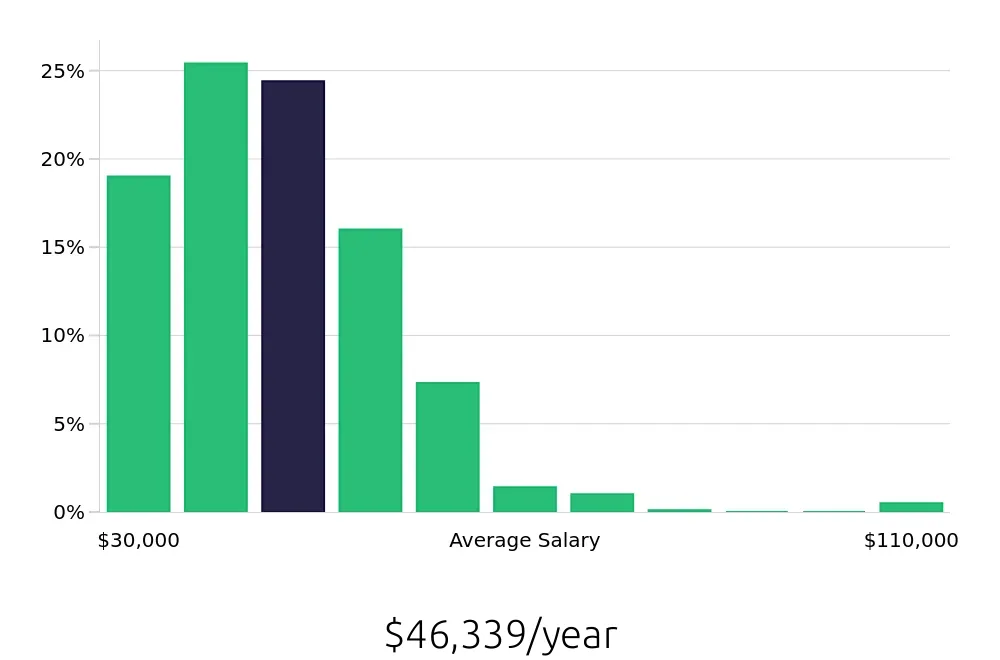
For those interested in compensation, the BLS reports an average national annual salary of $48,070. On an hourly basis, the average compensation stands at $23.11. These figures provide a clear picture of the earning potential in this field. Job seekers can expect a competitive salary, making Small Engine Mechanics a financially rewarding career choice. The combination of job stability, growth, and good pay makes this a strong field for new and experienced professionals alike.
Currently 176 Small Engine Mechanic job openings, nationwide.
Continue to Salaries for Small Engine Mechanic