What does a Special Officer do?
A Special Officer plays a critical role in ensuring safety and order. This position involves patrolling assigned areas to prevent and detect crimes. Special Officers monitor activities and report any suspicious behavior to law enforcement. They also provide assistance to the public and ensure compliance with laws and regulations.
In this role, Special Officers work closely with other law enforcement agencies and community members. They attend training sessions to stay updated on safety protocols and best practices. Special Officers may be called upon to manage crowds, provide security during events, and respond to emergencies. This position requires strong communication skills, attention to detail, and the ability to handle stressful situations calmly and efficiently.
Responsibilities of a Special Officer may include:
- Conducting regular patrols in designated areas
- Monitoring and reporting suspicious activities
- Assisting the public with inquiries and providing support
- Collaborating with other law enforcement agencies
- Participating in community outreach programs
How to become a Special Officer?
Becoming a Special Officer is a rewarding career choice. It offers the opportunity to serve the community, uphold the law, and ensure safety. The process to achieve this role involves several steps. Following a clear path will help navigate this journey successfully.
Start by researching the qualifications. Most employers require a high school diploma or equivalent. Additional education, such as a degree in criminal justice, can improve job prospects. Gaining relevant experience is also crucial. Positions in law enforcement or security can provide valuable skills.
Here are five key steps to becoming a Special Officer:
- Obtain the necessary education. A high school diploma is the minimum requirement. Consider further education to enhance skills and knowledge.
- Gain relevant experience. Work in law enforcement or security roles to build essential skills. Volunteering can also be beneficial.
- Complete required training programs. Many positions require specialized training. This can include firearms handling, defensive tactics, and legal studies.
- Apply for open positions. Look for job listings on official government websites and job boards. Tailor your resume to highlight relevant experience and education.
- Prepare for and pass any required tests. This can include written exams, physical fitness tests, and background checks. Staying focused and prepared will increase the chances of success.
How long does it take to become a Special Officer?
The journey to becoming a Special Officer varies depending on the specific role and employer. Most positions require a minimum of a high school diploma or equivalent. Beyond this basic requirement, candidates often need to complete additional education or training. Some roles may need a bachelor’s degree in a related field. Employers may also look for candidates with some experience in law enforcement or security.
The timeline to becoming a Special Officer can range from a few months to several years. Those with prior experience and relevant qualifications might find positions faster. Others may need to undergo formal training programs. These programs can include both classroom learning and hands-on experience. Many employers provide on-the-job training to new hires. This practical experience helps ensure officers are well-prepared for their duties. Candidates must also pass background checks, physical fitness tests, and other evaluations. This process ensures they meet all necessary standards. With dedication and the right qualifications, one can achieve this rewarding career in a reasonable time frame.
Special Officer Job Description Sample
The Special Officer will be responsible for providing comprehensive security, intelligence, and administrative support services within an organization. This role requires a high level of discretion, integrity, and professional conduct, as the Special Officer will work closely with senior management and handle sensitive information.
Responsibilities:
- Provide close protection services to senior executives and key personnel.
- Conduct risk assessments and develop security plans for events, travel, and other activities.
- Monitor and report on potential security threats and incidents, taking appropriate action to mitigate risks.
- Collaborate with law enforcement, emergency services, and other stakeholders in crisis management situations.
- Maintain detailed records of security incidents, investigations, and protective measures.
Qualifications
- Bachelor’s degree in Criminal Justice, Security Management, or a related field.
- Proven experience in security management, law enforcement, military, or a related role.
- Certifications such as Certified Protection Professional (CPP) or similar are highly desirable.
- Strong knowledge of security protocols, risk assessment, and emergency management.
- Excellent communication, interpersonal, and leadership skills.
Is becoming a Special Officer a good career path?
A career as a Special Officer offers a unique blend of responsibilities and opportunities. These roles often involve protective duties, compliance monitoring, and administrative tasks. Special Officers work in varied environments, from government agencies to private security firms. This profession demands a mix of skills, including strong communication and problem-solving abilities. The nature of the work can lead to diverse experiences and a chance to make a tangible impact on public safety.
Pursuing a career as a Special Officer presents several advantages. Firstly, it provides job stability and often includes benefits such as health insurance and retirement plans. Special Officers may also enjoy a sense of purpose, knowing they contribute to security and order. Opportunities for career advancement exist, with the potential to move into higher roles such as supervisors or managers. However, this career path also comes with challenges. Long hours, including nights and weekends, can be demanding. The job may also involve high-stress situations, which require quick thinking and decisive action.
Considering a career as a Special Officer involves looking at both the benefits and the drawbacks.
- Pros: Job stability, benefits, sense of purpose, opportunities for advancement
- Cons: Long hours, high-stress situations, physical demands
What is the job outlook for a Special Officer?
Job seekers interested in the role of a Special Officer can expect a steady demand for professionals in this field. According to the Bureau of Labor Statistics (BLS), approximately 151,700 positions open up each year. This figure highlights the continuous need for qualified candidates to fill these roles. The outlook for the years 2022 to 2032 shows a modest decline of 1.3% in job openings. This indicates that while demand is not skyrocketing, there remains a stable number of opportunities for those looking to enter this profession.
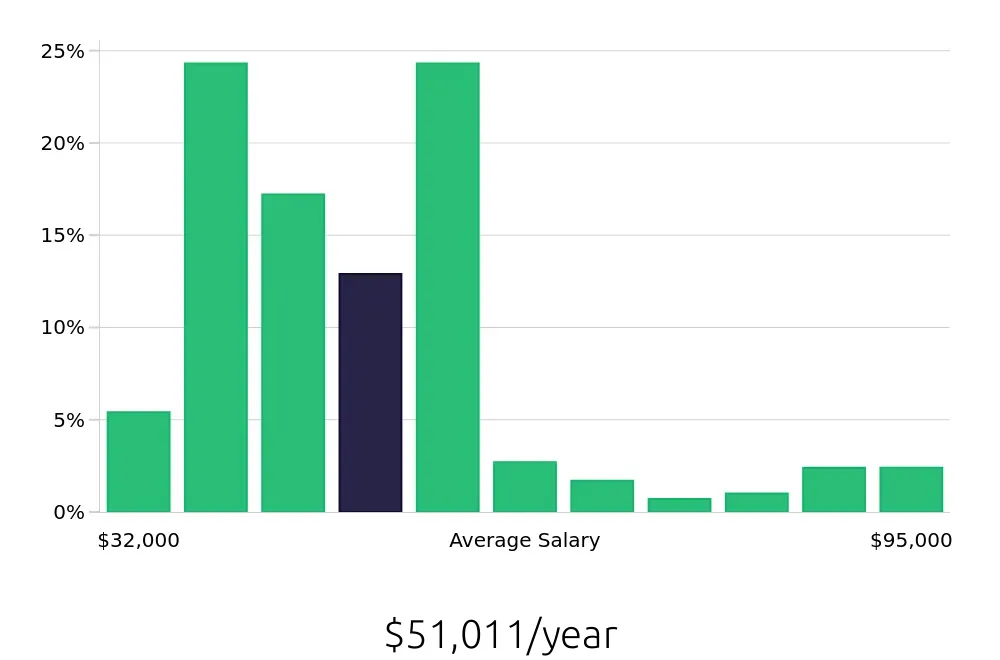
The average annual compensation for a Special Officer stands at $40,460, as reported by the BLS. This figure provides a clear benchmark for what professionals in this role can expect to earn. Additionally, the hourly rate for Special Officers is $19.45. These compensation details offer valuable insights for those considering this career path. It shows that, while this role might not be the highest-paying in all sectors, it provides a respectable income that can support a comfortable lifestyle. For job seekers, these figures can be an important factor when evaluating the financial aspects of this career choice.
For individuals seeking a career in law enforcement or security, becoming a Special Officer presents a viable option. The job outlook, coupled with average compensation details, paints a picture of a stable and rewarding career. This profession not only offers job security but also provides the opportunity to contribute to public safety and community well-being. Prospective Special Officers can look forward to a field with consistent demand and a role that is both challenging and fulfilling.
Currently 56 Special Officer job openings, nationwide.
Continue to Salaries for Special Officer