What does a Sprinkler Helper do?
A Sprinkler Helper supports the installation and maintenance of irrigation systems. This position involves working with a team of experienced technicians. Responsibilities include preparing sites, installing and repairing sprinkler systems, and ensuring systems run efficiently. This role demands attention to detail and a strong ability to follow instructions.
Sprinkler Helpers learn about different types of irrigation systems and how they function. The position provides hands-on experience with tools and equipment used in landscaping and maintenance. This role is ideal for those interested in entering the landscaping industry. It offers opportunities to develop valuable skills and gain practical experience.
How to become a Sprinkler Helper?
Becoming a sprinkler helper can open doors to a rewarding career in landscaping and irrigation. This role involves assisting in the installation and maintenance of sprinkler systems. Follow these steps to start this exciting career.
First, understand the job. A sprinkler helper supports experienced technicians. Tasks include digging, setting pipes, and handling tools. The job needs physical strength and attention to detail. Employers look for candidates who can follow instructions and work well in teams.
- Get a high school diploma or GED. This is often the minimum requirement.
- Gain experience through internships or entry-level jobs in landscaping or construction.
- Consider taking courses in irrigation or landscaping. These can be found at community colleges or vocational schools.
- Look for apprenticeships with established companies. This hands-on experience is invaluable.
- Network with professionals in the field. Attend trade shows or join related associations.
How long does it take to become a Sprinkler Helper?
Getting ready to work as a Sprinkler Helper means understanding the time it takes to prepare for this job. Most employers want candidates with some training or experience. This training helps workers learn the skills needed for the job. A high school diploma or GED often serves as a starting point. Some training programs can last from a few weeks to several months. These programs cover important topics like safety, equipment use, and installation techniques.
After finishing a training program, many new Sprinkler Helpers start with entry-level positions. They work under experienced workers to gain practical experience. This on-the-job training can take several months to a year. During this time, workers learn more about the daily tasks and challenges of the job. Some workers may choose to get certified. Certification shows a higher level of skill and knowledge. This step can add to the time it takes to fully prepare for the job. However, it can also make a candidate more attractive to employers.
Sprinkler Helper Job Description Sample
The Sprinkler Helper will assist the Sprinkler Technician in the installation, maintenance, and repair of automatic irrigation systems for residential, commercial, and landscape properties. This role involves supporting various tasks to ensure the efficient and effective operation of sprinkler systems.
Responsibilities:
- Assist in the installation, maintenance, and repair of automatic irrigation systems.
- Support the Sprinkler Technician in digging trenches, laying pipe, and connecting sprinkler heads.
- Help in programming and testing sprinkler systems to ensure proper operation.
- Maintain and clean equipment and tools used in sprinkler installation and maintenance.
- Provide support in reading and interpreting blueprints, schematics, and technical manuals.
Qualifications
- High school diploma or equivalent required.
- Basic understanding of irrigation systems and landscaping preferred.
- Ability to read and interpret blueprints, schematics, and technical manuals.
- Physical fitness and ability to perform manual labor tasks for extended periods.
- Strong work ethic and willingness to learn and follow instructions.
Is becoming a Sprinkler Helper a good career path?
A career as a Sprinkler Helper can be both rewarding and challenging. This role often provides a solid entry point into the construction or landscaping industries. Helpers work under experienced professionals, learning the trade and gaining valuable experience. They assist in installing and maintaining irrigation systems, ensuring landscapes remain green and healthy. Job opportunities can be found in various settings, from residential gardens to large commercial properties.
Working as a Sprinkler Helper comes with several benefits. Firstly, it offers hands-on experience in a growing field. Helpers often learn about soil types, plant needs, and irrigation techniques. This knowledge can be a strong foundation for future career advancement. Additionally, the job provides a chance to be outdoors, which many find enjoyable. The physical nature of the work can also be a positive for those who prefer active jobs. However, it is important to consider the job's challenges as well. Working in different weather conditions can be demanding. Tasks often involve heavy lifting and repetitive motions, which can lead to physical strain over time.
Here are some pros and cons to consider when thinking about a career as a Sprinkler Helper:
- Pros:
- Learn practical skills
- Opportunity to work outdoors
- Potential for advancement in the industry
- Cons:
- Physically demanding work
- Exposure to various weather conditions
- Possible risk of injury from tools and heavy lifting
What is the job outlook for a Sprinkler Helper?
Job seekers looking to enter the skilled trade field may find the role of a Sprinkler Helper appealing. This position offers a steady demand and stable career path. According to the Bureau of Labor Statistics (BLS), approximately 5,400 positions become available each year. This demand indicates a consistent need for professionals in this sector. Aspiring Sprinkler Helpers can expect a positive job outlook, with a projected job openings percent change of 2.3 from 2022 to 2032. This growth suggests that employment opportunities will continue to be available for those entering the field.
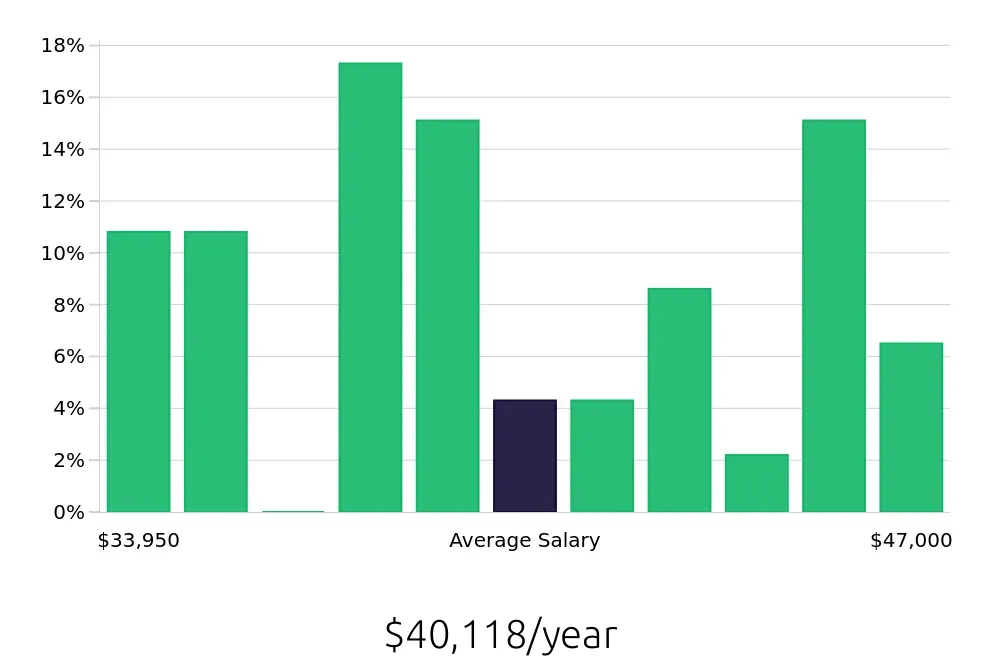
Financial prospects for Sprinkler Helpers are also promising. The average national annual compensation stands at $41,340, reflecting a competitive salary for those in this role. Additionally, the average national hourly compensation is $19.87, providing a good earning potential for skilled workers. These figures make the position attractive for job seekers looking for both job security and financial stability. The compensation packages offer a fair return for the skills and expertise required in this occupation.
Entering this career can lead to a rewarding professional journey. Job seekers should leverage the positive job outlook and attractive compensation to pursue this career path. The combination of steady demand and good earnings makes Sprinkler Helper an excellent choice for those seeking a stable and lucrative job opportunity. Aspiring Sprinkler Helpers should take advantage of the available positions and the financial benefits that come with the role.
Currently 25 Sprinkler Helper job openings, nationwide.
Continue to Salaries for Sprinkler Helper