Position
Overview

What does a Studio Coordinator do?

A Studio Coordinator ensures the smooth operation of a studio environment. This professional manages schedules, coordinates meetings, and helps with the setup and breakdown of studio space. They often handle reservations, arrange equipment, and assist with technical setups. The Studio Coordinator works closely with team members to ensure that all projects run on time and within budget. This role requires strong organizational skills and the ability to communicate effectively with various stakeholders.

In addition, the Studio Coordinator supports the creative process by managing resources and supplies. They may help with inventory, order materials, and maintain equipment. This role often involves troubleshooting issues that arise during studio operations. The Studio Coordinator plays a vital part in creating a productive and efficient studio atmosphere. Their work contributes to the overall success of creative projects and the satisfaction of team members.

View Studio Coordinator jobs nearby

How to become a Studio Coordinator?

Becoming a Studio Coordinator is a fulfilling career path for those interested in the arts and management. This role involves overseeing studio operations and ensuring smooth workflows. It requires a mix of artistic skills and organizational abilities.

The following steps outline the process to become a Studio Coordinator.

  1. Earn a Relevant Degree: Start with a degree in Fine Arts, Business Administration, or a related field. This education provides a solid foundation in both artistic and managerial skills.
  2. Gain Experience: Work in roles that involve coordination or management. Experience in event planning, customer service, or administrative tasks is valuable. Look for internships or entry-level positions in studios or creative spaces.
  3. Develop Skills: Build skills in communication, problem-solving, and time management. These skills are crucial for managing studio schedules and resolving conflicts.
  4. Network: Connect with professionals in the creative industry. Attend art shows, workshops, and networking events. Building relationships can lead to job opportunities and insights into the field.
  5. Apply for Positions: Search for Studio Coordinator roles. Tailor your resume and cover letter to highlight relevant experience and skills. Apply to positions that match your career goals.

How long does it take to become a Studio Coordinator?

Many people find that they can start as a Studio Coordinator in about a year. This involves taking classes in areas like event management or hospitality. Gaining a bit of experience through internships or entry-level jobs can help a lot too. Most coordinators have at least an associate degree. Some may need a bachelor’s degree, depending on the studio. Adding certificates in event planning or business administration can also boost chances of getting hired. Real-world experience is often just as important as education.

The time it takes to become a Studio Coordinator can vary. Some paths may be shorter while others can take longer. Most people need some formal education to start. This often includes a high school diploma or GED. Many choose to further their education by attending college. A bachelor's degree in fields like business or communications can be helpful.

In addition to formal education, gaining experience is key. Many Studio Coordinators start in entry-level roles in the arts or event management. They learn about scheduling, budget management, and customer service. Some may work as assistants or in related roles for a few years. This hands-on experience is valuable. It prepares them for the responsibilities of a Studio Coordinator. Job seekers should look for internships or part-time roles to build this experience.

Studio Coordinator Job Description Sample

As a Studio Coordinator, you will be responsible for overseeing and managing the daily operations of our studio, ensuring smooth and efficient workflow. You will work closely with the creative team, manage schedules, coordinate projects, and provide administrative support. This role requires excellent organizational skills, strong communication, and the ability to handle multiple tasks simultaneously.

Responsibilities:

  • Oversee daily operations of the studio, ensuring efficient workflow and smooth project execution.
  • Coordinate and manage studio schedules, appointments, and calendar events.
  • Assist in the planning and execution of studio projects, ensuring deadlines are met and quality standards are maintained.
  • Serve as a point of contact for clients, vendors, and other external parties, providing excellent customer service.
  • Handle administrative tasks such as data entry, filing, and record-keeping.

Qualifications

  • Bachelor’s degree in Business Administration, Management, or a related field preferred.
  • Minimum of 2 years of experience in a coordinator or administrative role, preferably in a studio or creative environment.
  • Proven organizational skills with the ability to prioritize and manage multiple tasks effectively.
  • Strong communication skills, both written and verbal, with a customer-focused approach.
  • Proficiency in Microsoft Office Suite (Word, Excel, PowerPoint) and other relevant software.

Is becoming a Studio Coordinator a good career path?

A Studio Coordinator manages the operations of a photography or art studio. This role involves scheduling photo sessions, overseeing the studio environment, and ensuring everything runs smoothly. It is a blend of administrative tasks and creative coordination.

Working as a Studio Coordinator offers a unique mix of artistic and organizational skills. This career path has its own set of advantages and challenges. Here are some key points to consider:

  • Pros:
    • Engage with creative projects every day.
    • Play a key role in making memories for clients.
    • Develop strong organizational and multitasking skills.
    • Have the chance to meet and work with talented artists.
  • Cons:
    • May face long hours, especially during peak seasons.
    • Requires strong attention to detail to manage schedules and tasks.
    • Can be stressful when dealing with client demands and technical issues.
    • Limited opportunities for career advancement within the same role.

What is the job outlook for a Studio Coordinator?

The role of a Studio Coordinator is crucial for the smooth operation of various creative and media-focused environments. This job has seen steady growth, with an average of 12,900 positions available each year. From 2022 to 2032, the job outlook for this role is expected to increase by 1.7%. This growth rate indicates a stable and positive career path for those entering or considering this profession.

A Studio Coordinator generally oversees the day-to-day activities of a studio. This includes managing schedules, coordinating between different departments, and ensuring that projects are completed on time and within budget. The demand for skilled Studio Coordinators comes from the growing need for efficient and organized workflows in creative industries such as film, television, music production, and advertising. With the rise in digital content creation, the need for such roles will likely continue to expand.

Salary-wise, Studio Coordinators can expect to earn an average of $65,010 per year. Hourly wages average around $31.26. These figures show a competitive compensation package, reflecting the importance and responsibility of the role. As industries evolve, the compensation for this role is also expected to grow, making it a financially attractive career choice.

Currently 94 Studio Coordinator job openings, nationwide.

Continue to Salaries for Studio Coordinator

Learn about Studio Coordinator salaries, top-paying cities, and hiring companies. See how much you could earn!
Position
Salary
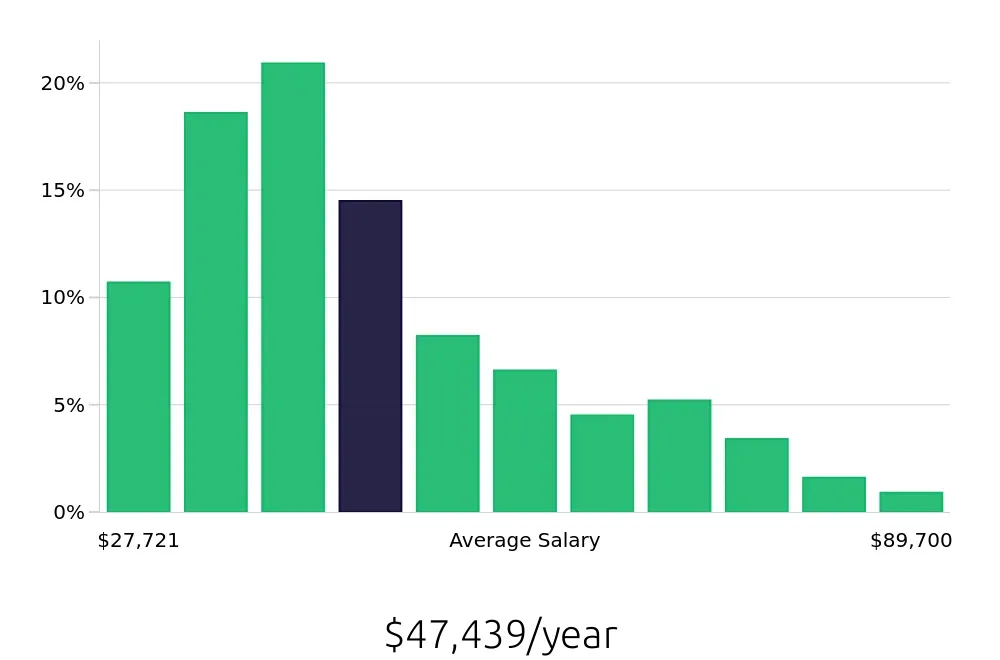
Salaries For Studio Coordinator
Averge salary $45,738 per year
Graph depicting the yearly salary distribution for Studio Coordinator positions, showing an average salary of $45,738 with varying distribution percentages across salary ranges.