What does a Supply Chain Director do?
A Supply Chain Director plays a vital role in overseeing the entire supply chain process. This professional ensures that all operations run smoothly and efficiently. They coordinate between different departments, such as procurement, logistics, and production. Their main goal is to minimize costs and reduce delays. They achieve this by developing and implementing strategies. A Supply Chain Director also monitors performance metrics. This helps in making data-driven decisions to enhance supply chain operations.
Responsibilities of a Supply Chain Director include managing a team of professionals. They provide leadership and guidance to ensure all tasks meet company standards. This director works closely with suppliers and vendors. They negotiate contracts and manage relationships to ensure quality and timely delivery of goods. This role requires excellent analytical skills and strong problem-solving abilities. A Supply Chain Director also stays updated with industry trends and technologies. This helps in improving supply chain processes continuously. Their work is crucial in maintaining a competitive edge in the market.
How to become a Supply Chain Director?
Becoming a Supply Chain Director is an ambitious goal that requires dedication and the right steps. This career path involves managing the flow of goods and services from suppliers to customers. A Supply Chain Director needs strong leadership skills and deep knowledge of logistics and operations. Below are five steps to help navigate this career path successfully.
First, build a solid foundation in supply chain management. Start with a degree in business, logistics, or a related field. Gain practical experience through internships or entry-level positions in logistics or procurement. Developing a strong understanding of the industry is crucial. Next, gain experience in supply chain management. Look for roles that offer opportunities to manage projects, analyze data, and improve processes. Working with different teams and functions will provide valuable insights.
- Earn a relevant degree and gain experience in logistics or procurement.
- Specialize in supply chain management through advanced degrees or certifications.
- Gain experience by working in various roles within supply chain management.
- Develop leadership and management skills through training and on-the-job experience.
- Network with industry professionals and seek mentorship from experienced directors.
As experience grows, consider pursuing advanced degrees or certifications in supply chain management. Specialized knowledge in areas like logistics, inventory management, and data analytics can make a candidate more competitive. Leadership and management skills are essential. Seek opportunities to manage teams and projects. Taking on leadership roles in professional organizations or industry events can also help.
How long does it take to become a Supply Chain Director?
To reach the role of Supply Chain Director, one must navigate a variety of experiences and educational milestones. Typically, it takes 10 to 15 years to reach this position. Starting with a bachelor’s degree in a related field such as business, logistics, or engineering often sets the foundation. Following this, gaining entry-level experience in supply chain management is crucial.
Over time, individuals should aim for roles with increasing responsibilities. Positions like Supply Chain Analyst, Logistics Coordinator, or Inventory Manager build essential skills. Each role provides unique insights into managing supply chains. Promotion to senior roles such as Supply Chain Manager or Director of Operations comes after many years of experience. Strong leadership, problem-solving, and decision-making abilities are vital. A master’s degree in supply chain management or business administration can also enhance career prospects. Networking and mentorship within the industry further help in advancing to the position of Supply Chain Director.
Supply Chain Director Job Description Sample
The Supply Chain Director is responsible for overseeing and optimizing the end-to-end supply chain processes to ensure efficient operations and customer satisfaction. This role requires a strategic thinker with extensive experience in supply chain management, logistics, and operations. The Supply Chain Director will lead a team of professionals and collaborate with cross-functional teams to drive improvements and innovations in the supply chain.
Responsibilities:
- Develop and implement supply chain strategies aligned with organizational goals.
- Manage and optimize the supply chain operations, including sourcing, procurement, production, and distribution.
- Lead a team of supply chain professionals, providing guidance, mentorship, and performance management.
- Analyze supply chain data to identify areas for improvement and implement corrective actions.
- Collaborate with cross-functional teams, including procurement, sales, marketing, and finance, to ensure seamless integration and coordination.
Qualifications
- Bachelor’s degree in Supply Chain Management, Business Administration, or a related field; MBA or Master’s degree preferred.
- Minimum of 10 years of experience in supply chain management, with at least 5 years in a leadership role.
- Proven track record of successfully managing end-to-end supply chain operations.
- Strong analytical skills with the ability to interpret complex data and make data-driven decisions.
- Excellent leadership and team management skills.
Is becoming a Supply Chain Director a good career path?
A career as a Supply Chain Director offers a rewarding path in the business world. This role involves overseeing the entire supply chain, from sourcing materials to delivering products. It demands a mix of strategic planning and operational management. Companies seek directors who can optimize supply chain processes, cut costs, and ensure timely delivery.
The job brings many benefits. It offers leadership opportunities and the chance to work across various departments. Supply Chain Directors can significantly impact a company’s success by improving efficiency and customer satisfaction. However, the role also has its challenges. It requires constant problem-solving and the ability to adapt to changing market conditions. Balancing various stakeholders' needs can be demanding, but it also offers the chance to innovate and drive significant change within an organization.
Here are some pros and cons of a Supply Chain Director career:
- Pros:
- Leadership opportunities
- Impact on company success
- Chance to work across departments
- Cons:
- Constant problem-solving
- Adapting to market changes
- Balancing stakeholder needs
What is the job outlook for a Supply Chain Director?
For job seekers interested in a role as a Supply Chain Director, the job outlook appears promising. The Bureau of Labor Statistics (BLS) reports an average of 15,900 job positions available each year. This steady flow of opportunities ensures a consistent chance for those entering or transitioning into this field.
Moreover, the job outlook is expected to grow by 8.2% from 2022 to 2032, according to the BLS. This growth rate indicates a positive trend and increasing demand for professionals with expertise in supply chain management. This makes it an opportune time for job seekers to pursue a career as a Supply Chain Director.
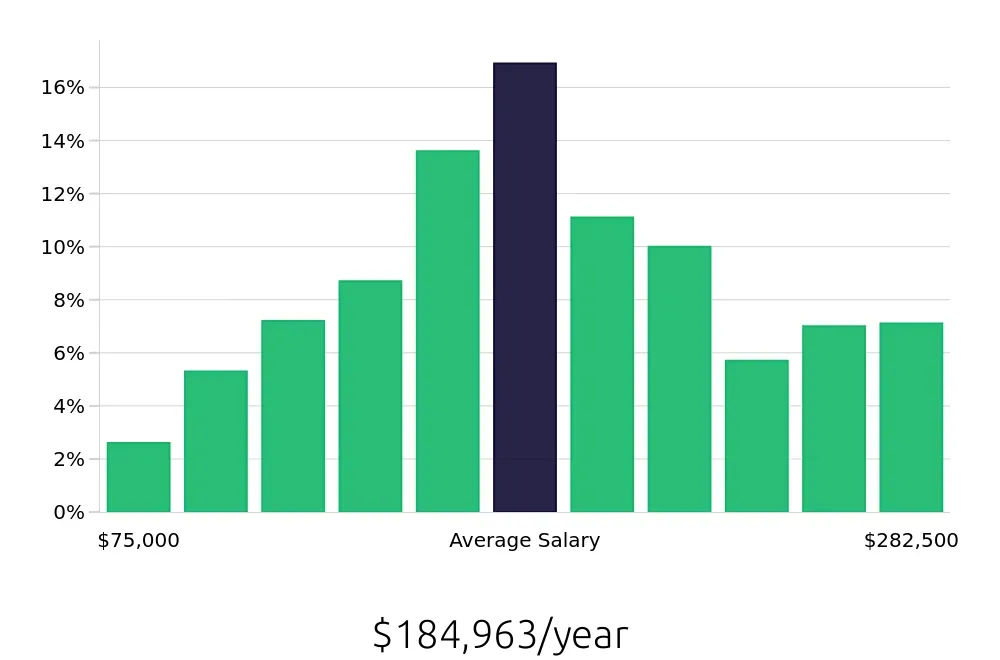
With an average national annual compensation of $111,870, the role of a Supply Chain Director also offers a competitive salary. The average hourly compensation stands at $53.79, reflecting the value placed on skilled supply chain leaders. Job seekers can expect not only job security but also a rewarding financial package in this career path.
Currently 268 Supply Chain Director job openings, nationwide.
Continue to Salaries for Supply Chain Director