What does a Technical Specialist do?
A Technical Specialist plays a vital role in ensuring technology systems run smoothly and efficiently. They work closely with IT teams to resolve technical issues and maintain the functionality of software and hardware. This role involves diagnosing problems, implementing solutions, and providing support to end-users. A Technical Specialist must stay updated on the latest technologies and trends to effectively perform their duties.
Key responsibilities include troubleshooting technical issues, conducting software updates, and assisting with system installations. They also provide training and documentation to ensure that staff can use technology effectively. A Technical Specialist collaborates with other departments to understand their technology needs and tailor solutions accordingly. This role requires strong problem-solving skills, attention to detail, and the ability to communicate technical information clearly. Technical Specialists contribute significantly to the operational efficiency of an organization by ensuring technology is used to its full potential.
How to become a Technical Specialist?
Becoming a Technical Specialist is an excellent career move. It requires dedication and a clear path to follow. This role often involves managing technology solutions and ensuring they meet company needs. Follow these steps to enter this field successfully.
First, gain the necessary education. Most employers look for candidates with at least a bachelor's degree in a related field like computer science, information technology, or engineering. Some positions may require a master's degree. A strong educational foundation provides the technical knowledge needed for this role.
- Earn a Relevant Degree: Obtain a bachelor's degree in computer science, information technology, or a related field.
- Gain Experience: Work in entry-level IT positions to build practical skills and experience.
- Get Certified: Earn certifications in specific technologies or systems to boost your credentials.
- Network: Join professional organizations and attend industry events to connect with others in the field.
- Apply for Positions: Look for job openings and submit applications that match your skills and experience.
Second, gain hands-on experience. Working in entry-level IT positions helps build practical skills. These jobs provide the opportunity to apply classroom knowledge to real-world problems. Accumulate experience in areas such as network administration, software development, or database management. Experience makes a resume more attractive to potential employers.
How long does it take to become a Technical Specialist?
Becoming a Technical Specialist involves gaining specific skills and knowledge. This journey starts with education and ends with real-world experience. Most people need a bachelor’s degree in a related field. This degree often takes four years to complete. During these years, students learn about computer systems, programming, and technical support.
After earning a degree, hands-on experience is essential. Many Technical Specialists start with entry-level positions. They learn by working with experienced professionals. This practical experience can take about two to five years. During this time, they build their skills in problem-solving and technical support. They also gain certifications, which can make them more competitive in the job market. These certifications often require studying and passing exams.
In total, it takes about six to nine years to become a Technical Specialist. This includes education and gaining practical experience. This career path offers a stable and rewarding way to work in technology.
Technical Specialist Job Description Sample
The Technical Specialist will play a key role in providing technical expertise and support to the company. This role involves collaborating with cross-functional teams to implement and maintain technical systems, ensuring their efficient operation. The Technical Specialist will also be responsible for troubleshooting technical issues, providing training, and staying updated on the latest technological advancements.
Responsibilities:
- Collaborate with cross-functional teams to implement and maintain technical systems.
- Provide technical support and troubleshooting for hardware, software, and network issues.
- Develop and maintain technical documentation and procedures.
- Conduct training sessions and provide technical guidance to team members.
- Stay updated on the latest technological advancements and industry trends.
Qualifications
- Bachelor’s degree in Computer Science, Information Technology, or a related field.
- Proven experience as a Technical Specialist or similar role.
- Strong understanding of hardware, software, and network systems.
- Excellent problem-solving and analytical skills.
- Ability to work collaboratively in a team environment.
Is becoming a Technical Specialist a good career path?
A Technical Specialist plays a key role in many industries. They focus on the technical aspects of a company's operations. This role involves maintaining and improving systems and equipment. It often requires a mix of technical skills and problem-solving abilities. Companies value Technical Specialists for their expertise and attention to detail.
A Technical Specialist offers both benefits and challenges. Consider these pros and cons before pursuing this career path. On the positive side, Technical Specialists often enjoy job stability. Many industries need skilled technical staff. Specialists can work in fields like IT, engineering, and manufacturing. They often have opportunities for advancement. However, some challenges exist. Technical work can be demanding and require long hours. Specialists must keep up with rapid technological changes. Balancing technical tasks with team collaboration can be tough.
Here are more details on the pros and cons:
- Pros:
- Job stability across various industries
- Opportunities for career growth and advancement
- Chance to work with cutting-edge technology
- Cons:
- Potential for long and demanding work hours
- Need to continuously update technical skills
- Balancing technical tasks with teamwork can be challenging
What is the job outlook for a Technical Specialist?
Job seekers aiming to become a Technical Specialist can look forward to a positive outlook. The Bureau of Labor Statistics (BLS) reports that about 28,500 job openings are available annually in this field. This number highlights the consistent demand for skilled professionals who can bridge the gap between technical teams and business operations. Securing a role in this field offers stability and the potential for career advancement.
The job outlook for Technical Specialists remains promising, with a projected growth rate of 3.7% from 2022 to 2032. This modest yet steady increase underscores the importance of technical expertise across various industries. Companies increasingly rely on these specialists to enhance their technological capabilities, support operations, and drive innovation. This growth trend makes the Technical Specialist role an attractive option for job seekers looking for long-term career stability.
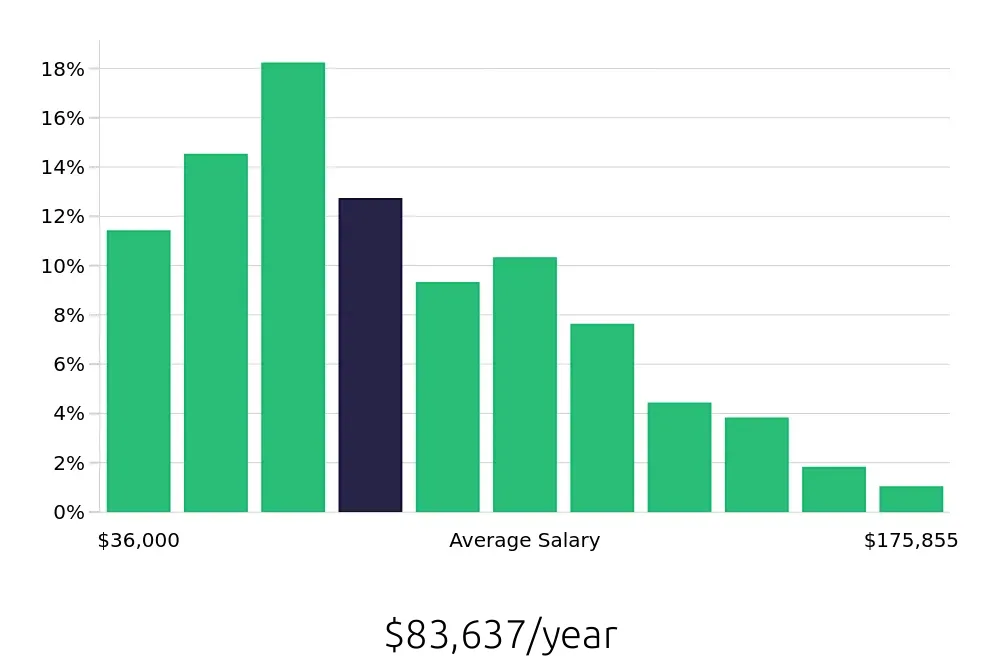
Technical Specialists also enjoy competitive compensation. According to the BLS, the average annual salary for this role is $86,920, with an hourly rate of $41.79. This remuneration reflects the high level of skill and expertise required for the position. Job seekers can expect not only a stable job market but also the potential for a rewarding salary, making the Technical Specialist role an excellent choice for those with the right qualifications and aspirations.
Currently 578 Technical Specialist job openings, nationwide.
Continue to Salaries for Technical Specialist