Position
Overview

What does a Ticket Agent do?

A Ticket Agent works at transportation hubs like train stations, bus terminals, or airports. They help travelers by selling tickets and offering information about schedules and routes. This role involves interacting with customers, so a friendly and helpful attitude is important. The agent processes transactions, ensures that passengers have the right tickets for their destinations, and sometimes assists with baggage handling or boarding procedures. Attention to detail helps the agent avoid errors in ticket sales and ensures a smooth experience for the traveler.

The Ticket Agent also manages refunds or changes for tickets when needed. They must be familiar with the pricing structure and any special deals or discounts. Technology plays a big part in this job, as agents use computers to book tickets and manage passenger data. Communication skills are key, as the agent must clearly explain information and policies to customers. Time management is also crucial, as busy periods can lead to a high volume of transactions. Being knowledgeable and efficient helps the agent provide excellent service and support to passengers.

View Ticket Agent jobs nearby

How to become a Ticket Agent?

Becoming a ticket agent can be a rewarding career choice, offering a mix of customer service and event management. This role requires a set of specific skills and qualifications. Follow these steps to embark on this career path:

  1. Get a High School Diploma or GED: Start with a high school diploma or GED. These credentials are the foundation for any job, including being a ticket agent.
  2. Consider Formal Education: While not always necessary, some ticket agents have a degree in business or hospitality. This education can provide a deeper understanding of customer service and event management.
  3. Gain Relevant Experience: Work in customer service or event management. Experience helps to understand the needs of customers and the logistics of events.
  4. Learn About the Industry: Familiarize with the industry. Understand how ticketing works, the types of events, and the technologies used in ticketing.
  5. Apply for Jobs: Look for ticket agent positions. Use job boards, company websites, and networking to find opportunities.

Each step in this process helps build the skills and knowledge needed to succeed as a ticket agent. With dedication and the right approach, anyone can achieve this role.

How long does it take to become a Ticket Agent?

Training to become a ticket agent usually takes a few weeks to a few months. Most programs involve classroom instruction and hands-on practice. Some agencies offer on-the-job training for those with limited experience. The time needed can vary based on the training program and previous experience. Short-term courses can take a few weeks to complete. Longer programs may last several months and offer more in-depth training. Employers often value candidates who have completed a formal training program or have relevant experience. This preparation helps them handle ticketing tasks smoothly and effectively.

Interested in joining the travel industry? Consider a career as a Ticket Agent. This role offers a dynamic work environment and opportunities to interact with many people every day. The time it takes to enter this profession can vary. Generally, it takes a short period to begin working as a Ticket Agent.

To get started, an individual often needs a high school diploma or equivalent. Some employers may require a postsecondary certificate from a vocational school or community college. These programs usually take one to two years. They offer hands-on training in customer service, computer skills, and ticketing procedures. This training ensures new agents are ready to assist customers efficiently and effectively. After completing the training, individuals can start applying for positions at airlines, travel agencies, or train stations.

Ticket Agent Job Description Sample

Ticket Agents are responsible for selling tickets, providing customer service, and managing various administrative tasks at ticketing counters. This role requires excellent communication skills and the ability to handle multiple tasks efficiently in a fast-paced environment.

Responsibilities:

  • Sell and distribute tickets to customers for various events, including concerts, sports games, and theater performances.
  • Provide accurate information regarding schedules, prices, and availability of tickets.
  • Assist customers with inquiries, complaints, and special requests to ensure a positive customer experience.
  • Manage cash transactions, issue receipts, and process refunds when necessary.
  • Maintain accurate records of ticket sales and handle any discrepancies or issues that arise.

Qualifications

  • High school diploma or equivalent required; additional education or training in hospitality, customer service, or a related field is a plus.
  • Previous experience in a customer service or sales role is preferred.
  • Excellent communication and interpersonal skills to interact effectively with customers and team members.
  • Ability to work in a fast-paced and often busy environment while maintaining accuracy and efficiency.
  • Basic computer skills, including proficiency in using ticketing software and other related technology.

Is becoming a Ticket Agent a good career path?

A career as a ticket agent can be rewarding for those who enjoy helping people and working in a fast-paced environment. This role involves selling tickets for various types of transportation and events, such as airlines, trains, concerts, and sports games. Ticket agents interact with customers, process transactions, and provide information about schedules and policies. The job requires strong communication skills and the ability to handle multiple tasks at once.

Choosing this career path has its pros and cons. Here are some things to consider:

  • Pros:
    • Opportunities to work in a variety of settings, from airports to theaters.
    • Possibility of earning tips and bonuses.
    • Experience in customer service and sales.
  • Cons:
    • Standing for long periods can be tiring.
    • Dealing with a high volume of customers can be stressful.
    • Wages may be modest, especially for entry-level positions.

What is the job outlook for a Ticket Agent?

The job outlook for Ticket Agents remains steady, with the Bureau of Labor Statistics (BLS) reporting an average of 13,800 positions available annually. This indicates a stable demand for professionals in this role. With an expected percent change in job openings from 2022 to 2032 of 1.3%, job seekers can anticipate a consistent number of opportunities.

Applicants can expect competitive compensation, as the average national annual salary for Ticket Agents is $46,820, according to the BLS. This figure reflects the value employers place on the skills and responsibilities handled by these professionals. Additionally, the average hourly wage stands at $22.51, which provides a clear picture of the earning potential in this career path.

For those interested in this field, the data suggests a reliable job market. The consistent number of job openings and the stable growth projection, along with attractive compensation, make being a Ticket Agent a viable career choice. Job seekers should leverage these insights to prepare for a rewarding career in this sector.

Currently 49 Ticket Agent job openings, nationwide.

Continue to Salaries for Ticket Agent

Learn about Ticket Agent salaries, top-paying cities, and hiring companies. See how much you could earn!
Position
Salary
Salaries For Ticket Agent
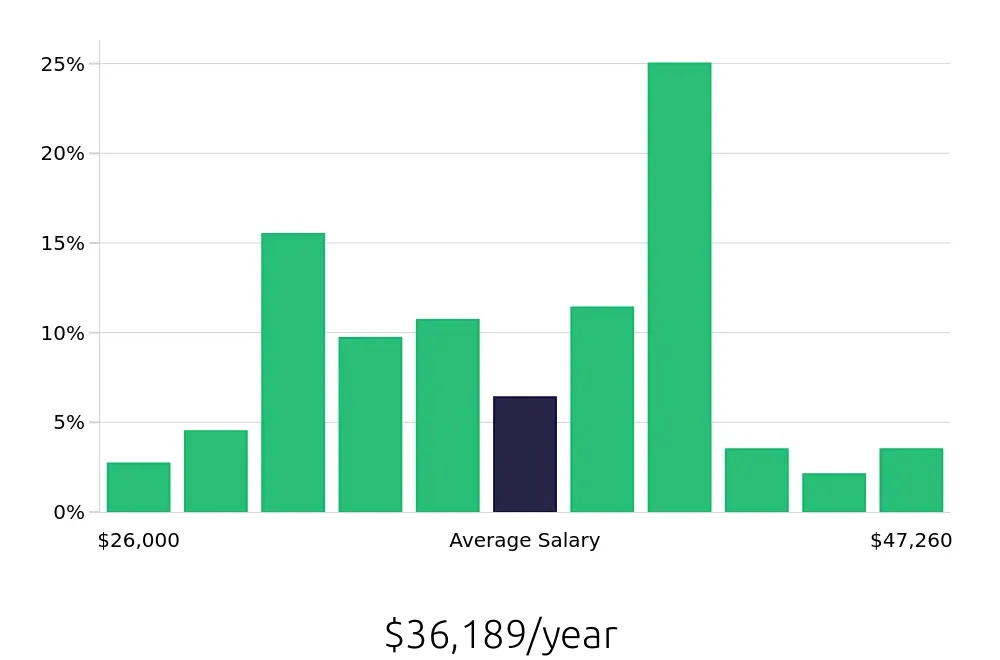
Averge salary $35,793 per year
Graph depicting the yearly salary distribution for Ticket Agent positions, showing an average salary of $35,793 with varying distribution percentages across salary ranges.