What does a Trade Show Coordinator do?
A Trade Show Coordinator plays a key role in planning and executing trade shows. This position ensures events run smoothly and meet their goals. Coordinators manage schedules, logistics, and budgets. They work closely with vendors and exhibitors to set up booths and displays. They also interact with attendees to enhance their experience.
The Trade Show Coordinator handles many tasks. They book venues and arrange for necessary equipment. They manage registrations and set up registration areas. During the event, they handle any issues that arise. This includes troubleshooting problems with booths and addressing attendee concerns. They also collect feedback to improve future events. Coordinators need strong organizational skills and the ability to work well under pressure. They must also have excellent communication skills to interact with various stakeholders.
How to become a Trade Show Coordinator?
Becoming a Trade Show Coordinator involves several key steps. It requires a mix of skills and experience to manage the logistics and ensure the success of trade shows. This role is perfect for someone who enjoys organizing events, meeting new people, and working in a fast-paced environment. The following steps can guide someone in becoming a successful Trade Show Coordinator.
First, gaining relevant education is important. Most employers prefer a candidate with a degree in business, marketing, or hospitality. These degrees provide the necessary skills in communication, organization, and event planning. Second, gaining experience in event management is crucial. Working as an assistant or in a related role helps build the skills needed to handle the various tasks of a Trade Show Coordinator.
- Obtain education in a related field.
- Gain experience in event management.
- Develop strong organizational skills.
- Learn about the trade show industry.
- Network with industry professionals.
Third, developing strong organizational skills is essential. A Trade Show Coordinator needs to handle many details, such as vendor contracts, exhibit layouts, and attendee registration. Being organized helps ensure that everything runs smoothly. Fourth, gaining knowledge about the trade show industry is important. Understanding trends, challenges, and best practices can help make the events more successful. Fifth, networking with industry professionals is a key step. Attending trade shows, joining professional organizations, and connecting with others in the field can open doors to job opportunities.
How long does it take to become a Trade Show Coordinator?
Becoming a Trade Show Coordinator involves a mix of education, experience, and specialized skills. Most professionals start with a bachelor’s degree in business, marketing, or a related field. This education takes four years to complete. During these years, students learn about marketing strategies, event planning, and customer service.
After earning a degree, gaining experience is crucial. Many trade show coordinators begin in entry-level positions such as event planner assistants or marketing coordinators. This can take one to two years, depending on the role and company. With experience, skills in logistics, budgeting, and vendor management improve. Some coordinators pursue certifications from organizations like the International Live Events Association. This shows commitment and expertise in the field. In total, it often takes five to seven years to become a successful trade show coordinator.
Trade Show Coordinator Job Description Sample
We are seeking a dynamic and detail-oriented Trade Show Coordinator to join our marketing team. The ideal candidate will be responsible for planning, organizing, and executing successful trade show events that enhance brand visibility and generate leads.
Responsibilities:
- Develop and implement a comprehensive trade show strategy aligned with company objectives.
- Identify and secure suitable trade show venues and negotiate contracts.
- Design and manage trade show booth layouts and materials to create an engaging visitor experience.
- Coordinate with vendors and service providers for booth setup, equipment, and staffing.
- Manage the trade show budget and ensure cost-effective execution.
Qualifications
- Bachelor’s degree in Marketing, Business Administration, or a related field.
- Proven experience as a Trade Show Coordinator or similar role.
- Strong organizational and project management skills.
- Excellent communication and interpersonal skills.
- Ability to work well under pressure and manage multiple tasks simultaneously.
Is becoming a Trade Show Coordinator a good career path?
A Trade Show Coordinator handles all aspects of organizing trade events. This role involves selecting venues, arranging logistics, managing budgets, and coordinating with vendors. This job often requires working on tight deadlines and in fast-paced environments. The role demands strong organizational skills and attention to detail.
Trade Show Coordinators enjoy a mix of challenges and rewards. They connect with diverse professionals and learn about the latest industry trends. However, the job can be stressful with long hours, especially around event dates. Coordinators must balance many tasks and meet tight deadlines.
Here are some pros and cons to consider:
- Pros:
- Get to attend various events
- Opportunity to network with industry leaders
- Potential for career advancement
- Cons:
- Long hours, especially around event dates
- High stress levels
- The need to manage multiple tasks
What is the job outlook for a Trade Show Coordinator?
The job outlook for Trade Show Coordinators is promising for those looking to enter this field. On average, the Bureau of Labor Statistics (BLS) reports about 15,200 job openings annually. This consistency in demand suggests a stable career path for interested job seekers. With a projected growth rate of 7.5% from 2022 to 2032, the future looks bright for professionals in this role. This growth aligns with increasing trends in business and marketing through in-person events.
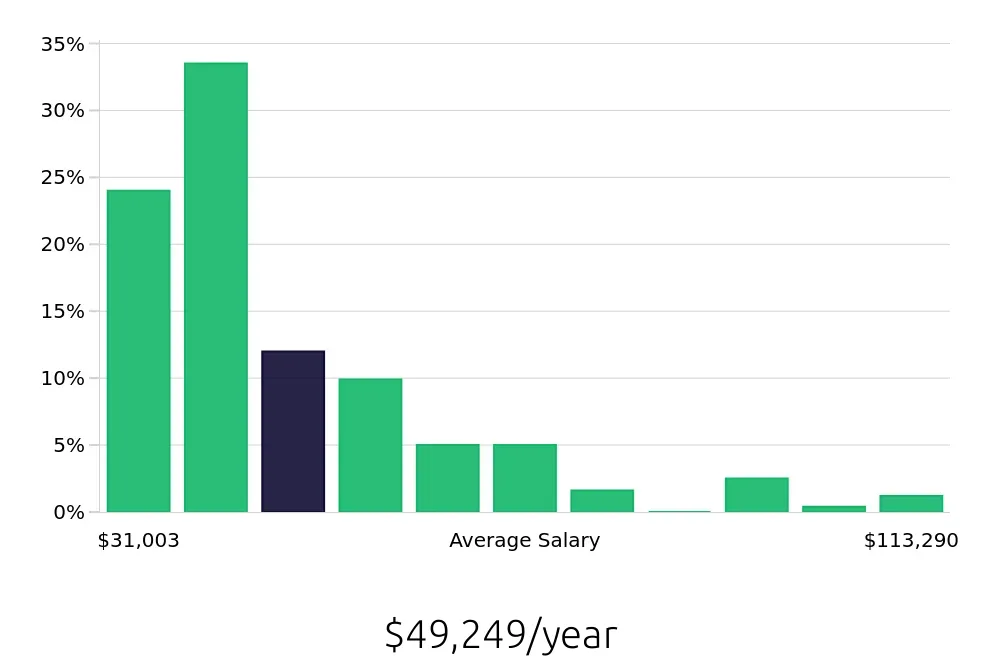
Trade Show Coordinators can expect a competitive salary, with an average annual compensation of $62,280. The hourly rate stands at $29.94, reflecting the value of the skills and responsibilities involved in this profession. Compensation often varies based on experience, location, and the size of the events managed. Those with a knack for organization and a passion for networking will find this career financially rewarding.
For job seekers, the key to success lies in leveraging their organizational and communication skills. A career as a Trade Show Coordinator offers opportunities for growth and development within the dynamic event management industry. This role appeals to those who enjoy working in fast-paced environments and thrive on building relationships.
Currently 53 Trade Show Coordinator job openings, nationwide.
Continue to Salaries for Trade Show Coordinator