What does a Trader do?
A Trader plays a critical role in the financial market. They buy and sell various assets such as stocks, bonds, and commodities. Traders analyze market trends to make informed decisions. They must stay updated on economic news and market conditions. Quick thinking and strong decision-making skills are essential. Traders work for investment firms, banks, or trading companies. They often work in fast-paced environments.
The responsibilities of a Trader include managing risk and maximizing profits. They use various tools and software to track market data. Communication is key, as Traders must liaise with clients and colleagues. They prepare reports and present findings to management. Success in this role requires attention to detail and a solid understanding of financial markets. Traders contribute to the liquidity and stability of the financial markets.
- Analyze market trends
- Buy and sell assets
- Manage risk
- Stay updated on economic news
- Communicate with clients and colleagues
- Prepare reports
How to become a Trader?
Becoming a successful trader involves a well-thought-out plan and dedication. This process may seem complex, but breaking it down into manageable steps can simplify it. Understanding and following these steps can lead to a fulfilling career in trading.
To start, one must first research and learn about the trading world. This includes understanding different types of markets, such as stocks, forex, and commodities. Reading books, attending webinars, and following financial news are great ways to gather knowledge. Once comfortable with the basics, the next step is to open a trading account with a reputable broker. This step requires careful selection to ensure safety and reliability.
After opening an account, the trader must develop a strategy. This involves setting goals and deciding on risk tolerance. Backtesting strategies using historical data can help refine these plans. Practicing with a demo account is the next crucial step. This allows new traders to apply their strategies without risking real money. Finally, traders should start small, initially trading with a portion of their capital. This cautious approach helps build experience and confidence.
An ongoing commitment to learning and adapting is essential. Markets change, and successful traders must stay informed and adjust their strategies accordingly. Networking with other traders can also provide support and insights.
Here are the key steps to becoming a trader:
- Research and learn about the trading world.
- Open a trading account with a reputable broker.
- Develop a trading strategy with goals and risk management.
- Practice using a demo account to refine strategies.
- Start trading with a small portion of capital to build experience.
By following these steps, anyone can embark on a journey to becoming a successful trader.
How long does it take to become a Trader?
Trading in financial markets can seem both exciting and challenging. Most people wonder how long it takes to become a successful trader. The journey varies based on several factors. The time needed can depend on one's dedication, learning pace, and market conditions. Some traders reach proficiency in a few months. Others may take years to master the skills required.
Individuals with a strong interest in finance and economics often find themselves ready faster. They can grasp market trends and trading strategies quicker. Formal education can also speed up the learning curve. Many traders pursue degrees in finance, economics, or business. Online courses and workshops offer practical knowledge. Real-world experience, such as internships or simulated trading, helps as well. Continuous learning and adaptation to market changes play crucial roles in a trader’s success.
Here are steps to guide a trader's journey:
- Study the basics of finance and trading.
- Learn about different types of markets and instruments.
- Practice with a demo account to build confidence.
- Analyze past trades to learn and improve.
- Stay updated with market news and trends.
Trader Job Description Sample
We are seeking a skilled Trader to join our dynamic financial trading team. The Trader will be responsible for analyzing market trends, executing trades, and managing risk. This role requires a proactive individual who can work independently and contribute to the firm's profitability.
Responsibilities:
- Conduct market analysis and research to identify trading opportunities.
- Execute trades based on analysis and market conditions.
- Manage and monitor trading positions to ensure risk is within acceptable limits.
- Collaborate with the trading team to develop and implement trading strategies.
- Prepare and analyze daily trading reports and performance metrics.
Qualifications
- Bachelor's degree in Finance, Economics, or a related field.
- Proven experience as a Trader or in a similar role within the financial industry.
- Strong understanding of financial markets, trading strategies, and risk management.
- Proficiency in trading platforms and financial software.
- Excellent analytical and problem-solving skills.
Is becoming a Trader a good career path?
Trading can lead to an exciting career for the right individual. This profession involves buying and selling financial assets. These can range from stocks to commodities. Trading requires a solid understanding of market trends and financial analysis. Many traders work in banks, investment firms, or as independent brokers.
Trading offers numerous opportunities. Traders can choose from different markets and asset classes. The work is dynamic and fast-paced, providing constant challenges. Success in trading can lead to significant financial rewards. Traders have the chance to earn high incomes, often with bonuses and performance-based incentives. However, the path to success is not easy. Traders face high competition and market volatility. They must manage risks and make quick decisions under pressure.
Consider these pros and cons before pursuing a career in trading.
- Pros:
- Potential for high earnings
- Diverse career opportunities
- Constant market challenges
- Cons:
- High competition
- Market volatility
- Need for constant learning and adaptation
What is the job outlook for a Trader?
The job outlook for traders presents a unique blend of challenges and opportunities. According to the Bureau of Labor Statistics (BLS), there are approximately 39,000 job positions available each year. Despite a forecasted decrease of 7.7% in job openings from 2022 to 2032, the field remains robust. Traders who stay informed and adaptable can find stability in this evolving market. Gaining specialized skills and certifications can enhance competitiveness and job prospects.
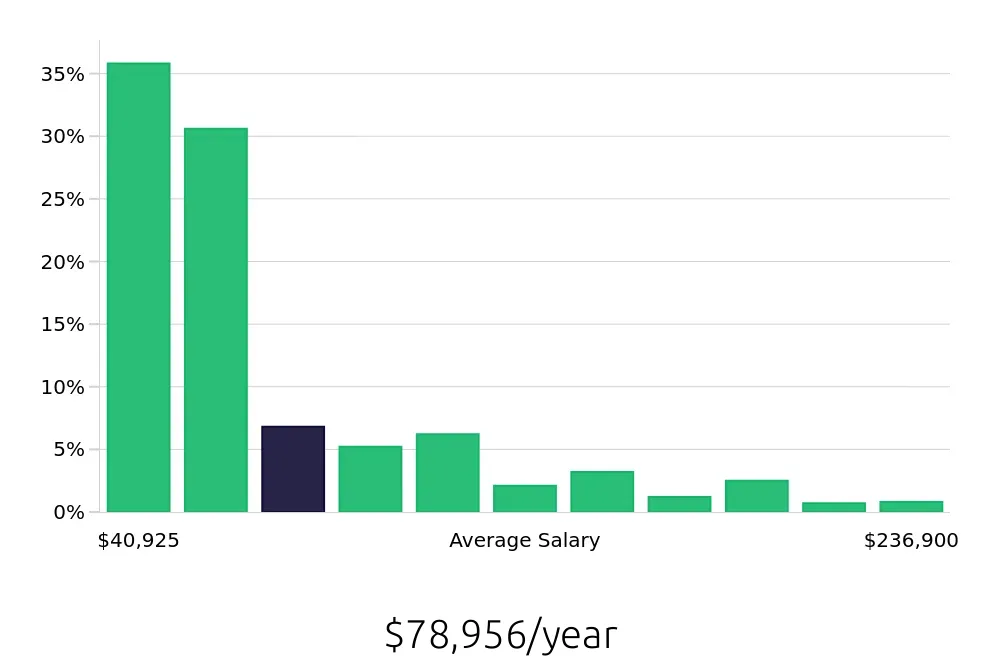
Traders enjoy a solid average annual compensation of $77,850, according to the BLS. This figure underscores the value of trading expertise in the financial sector. Hourly, traders earn an average of $37.43. These figures reflect the importance of experience and proficiency in trading roles. Job seekers can aim for these rewards by pursuing continuous education and professional development. Engaging with industry trends and networking with peers can also open doors to higher-paying opportunities.
The trading profession requires a blend of analytical skills, market knowledge, and strategic thinking. Job seekers must be prepared for a dynamic work environment. Staying updated on financial markets and regulatory changes is essential. Leveraging online courses, workshops, and professional networks can provide valuable insights. Employers often seek candidates with a strong background in finance and related fields. This makes targeted education and certification programs crucial for aspiring traders.
Currently 262 Trader job openings, nationwide.
Continue to Salaries for Trader