What does a Transportation Specialist do?
A Transportation Specialist manages the logistics of moving goods and materials from one place to another. This role involves planning, coordinating, and overseeing the transportation of items efficiently and safely. The specialist ensures that shipments arrive on time and in good condition. They work with different types of transportation methods, including trucks, trains, ships, and airplanes. They need to understand the best ways to transport various goods, keeping costs and timelines in mind.
Transportation Specialists also handle paperwork and track shipments. They must communicate with drivers, clients, and other team members. This position requires attention to detail and the ability to solve problems quickly. They often work in an office setting but may also spend time at shipping and receiving docks. This role is key in ensuring that businesses can move their products quickly and effectively.
How to become a Transportation Specialist?
Becoming a Transportation Specialist requires dedication and careful planning. The journey involves a blend of education, training, and hands-on experience. This profession is crucial for ensuring that goods and services move efficiently from one place to another.
Here are five key steps to guide someone through the process:
- Obtain a high school diploma or GED. This is the foundational step for any career path.
- Enroll in a post-secondary education program. Many specialists complete a degree in logistics, transportation, or a related field.
- Gain practical experience. Internships or entry-level positions in transportation can be very helpful.
- Obtain necessary certifications. Some roles may require certifications in areas like hazardous materials handling.
- Network and apply for positions. Join professional organizations and attend industry events to expand connections.
Following these steps will prepare someone to succeed as a Transportation Specialist. This career offers opportunities for growth and advancement in a critical industry.
How long does it take to become a Transportation Specialist?
Transportation specialists work in logistics, making sure goods move from one place to another. The time it takes to start this career can vary. Some find jobs with just a high school diploma. These roles might include driving or loading goods.
To advance, more education and training can help. Many employers look for candidates with an associate’s or bachelor’s degree in logistics, transportation, or a related field. This education usually takes two to four years. Some specialists also take certifications in areas like safety or logistics software. These can take a few months to complete. This extra training can lead to better job opportunities and higher pay.
Job seekers should research local job openings and education programs. They can find information on community colleges, universities, and training institutions. These resources can provide the education and skills needed to succeed in this field.
Transportation Specialist Job Description Sample
A Transportation Specialist plays a crucial role in ensuring the safe, efficient, and timely movement of goods and personnel. This role involves planning and coordinating transportation activities, managing logistics, and ensuring compliance with relevant regulations.
Responsibilities:
- Plan and coordinate transportation activities, including scheduling, routing, and dispatch of vehicles and personnel.
- Monitor and manage transportation resources to ensure efficient use of vehicles, drivers, and other assets.
- Develop and implement transportation policies and procedures to enhance safety, efficiency, and cost-effectiveness.
- Prepare and maintain transportation-related documentation, such as schedules, manifests, and reports.
- Collaborate with other departments, such as operations, customer service, and maintenance, to ensure smooth coordination of transportation activities.
Qualifications
- Bachelor’s degree in Transportation Management, Logistics, or a related field.
- Proven experience in transportation management or a similar role.
- In-depth knowledge of transportation regulations, laws, and best practices.
- Strong organizational and planning skills, with attention to detail.
- Excellent communication and interpersonal skills, with the ability to work effectively with diverse teams.
Is becoming a Transportation Specialist a good career path?
A Transportation Specialist plays a critical role in the logistics and supply chain sectors. This role involves managing the movement of goods and people from one location to another. Specialists ensure that transportation plans run smoothly, are cost-effective, and comply with regulations. They work in various industries, including freight, shipping, and public transit.
Choosing this career path offers many benefits. The job provides stability and the opportunity to work in diverse environments. Transportation Specialists have the chance to travel and meet new people. The role also allows for advancement into higher management positions. However, it is essential to consider some downsides. The job can be stressful due to tight schedules and unexpected delays. Long hours, especially when on the road, can also affect work-life balance. Additionally, the role may require working in various weather conditions.
Here are some pros and cons of a career as a Transportation Specialist:
- Pros:
- Job stability and growth opportunities
- Variety of work environments
- Chances to travel and meet new people
- Opportunities for career advancement
- Cons:
- Potential for stressful work conditions
- Long hours and irregular schedules
- Exposure to various weather conditions
What is the job outlook for a Transportation Specialist?
The job outlook for Transportation Specialists looks promising for those entering this field. According to the Bureau of Labor Statistics (BLS), there are about 3,700 job positions available each year. This steady flow of opportunities provides a solid foundation for new professionals. The BLS also projects a 3.7% growth in job openings from 2022 to 2032, indicating a stable and growing demand.
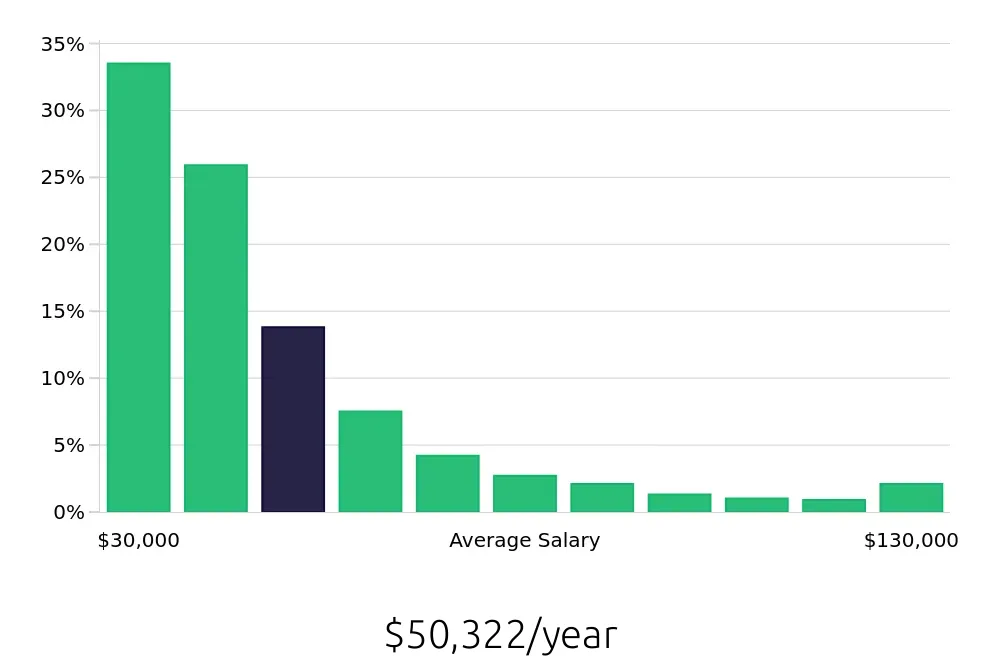
Transportation Specialists enjoy a competitive compensation package. The average national annual salary stands at $85,940, reflecting the value placed on their expertise. In addition, the average hourly wage is $41.32, which translates to good earning potential for those in this career. This strong compensation not only rewards skills and experience but also encourages career development in the field.
For job seekers, this career path offers both stability and growth. With a consistent number of job positions each year and a positive employment outlook, Transportation Specialists can look forward to a rewarding career. The solid compensation further enhances the appeal of this profession, making it an excellent choice for those seeking job security and financial stability.
Currently 284 Transportation Specialist job openings, nationwide.
Continue to Salaries for Transportation Specialist