What does a Trash Collector do?
A trash collector, also known as a garbage collector or waste management worker, plays an essential role in keeping communities clean and safe. This job involves picking up trash from various locations, including homes, businesses, and public spaces. The trash collector ensures that waste materials are properly disposed of or recycled. It also means reducing the risk of pests and diseases.
The trash collector drives a garbage truck to different areas to collect waste. They lift and move heavy trash cans, bags, or containers. The job requires physical strength and endurance. A trash collector often works early in the morning or late in the evening. This timing is to avoid interfering with the daily activities of the community. The trash collector sorts the collected waste and separates recyclable items from non-recyclables. They ensure that all trash is properly disposed of or sent for recycling.
How to become a Trash Collector?
Becoming a trash collector is a straightforward process. This role is vital for keeping communities clean and organized. It offers steady employment with good benefits. Here are the steps to take to start a career as a trash collector.
First, check the local job listings. Many cities have municipal trash collection services. Look for job openings and review the qualifications. Contact the local waste management department for information. Prepare your resume and cover letter. Highlight any related experience and skills.
- Get a Commercial Driver's License (CDL): Most trash collectors need a CDL. This license shows you can handle a large vehicle safely. Check your local DMV for requirements and testing.
- Apply for the job: Submit your resume and cover letter through the job listing. Prepare for interviews by practicing common questions. Be ready to discuss your experience and skills.
- Complete training: Once hired, attend any required training sessions. Learn about the company's procedures and safety rules. This training is crucial for performing the job well.
- Understand the job duties: Trash collectors drive large trucks. They pick up trash from homes and businesses. They also sort and dispose of waste properly. Knowing these duties helps you prepare for the job.
- Start your job: Follow your schedule and work diligently. Stay on top of your routes and maintain a clean truck. Building a good reputation is key to success.
How long does it take to become a Trash Collector?
A career as a trash collector offers a reliable path to employment with straightforward entry requirements. This job involves picking up and transporting garbage. It requires no specific prior education or training. Most employers provide on-the-job training, making it easy to learn the skills needed.
To start working, applicants must meet a few basic requirements. Employers typically require candidates to have a high school diploma or GED. A clean driving record is also important. Some places may ask for a valid driver's license. Many companies offer training to teach new workers the best ways to handle trash safely and efficiently. This training usually takes just a few days to a week, ensuring new employees feel ready to start right away.
Trash Collector Job Description Sample
We are looking for a dedicated and reliable Trash Collector to join our team. The ideal candidate will be responsible for collecting, sorting, and disposing of waste materials in a safe and efficient manner. This role requires physical endurance and a commitment to maintaining clean and hygienic environments.
Responsibilities:
- Collect garbage, recyclables, and other waste from designated areas such as residential, commercial, and industrial locations.
- Load and unload trash from collection vehicles, ensuring items are properly sorted and disposed of.
- Maintain cleanliness and organization of the collection vehicle.
- Follow safety protocols and guidelines to prevent accidents and injuries.
- Report any issues or irregularities to the supervisor, such as blocked routes or malfunctioning equipment.
Qualifications
- High school diploma or equivalent required.
- Previous experience in waste collection or a related field is preferred.
- Valid driver's license and clean driving record.
- Physical fitness and ability to lift heavy objects.
- Knowledge of waste disposal regulations and environmental safety practices.
Is becoming a Trash Collector a good career path?
Trash collection offers a unique career path filled with valuable responsibilities. This job involves picking up and disposing of household, commercial, and sometimes industrial waste. It helps keep communities clean and safe. A trash collector drives a truck and empties trash bins at scheduled times. The role ensures that waste does not pile up in public places. This job is vital for maintaining a healthy environment.
For those considering this career, it comes with both positives and negatives. One major advantage is the steady work schedule. Many trash collectors work set hours, which can help with planning. This career provides opportunities to see different parts of the community. It also often includes benefits like health insurance and retirement plans. However, the job can be physically demanding. Collectors may need to lift heavy trash bags and work in various weather conditions. The job also involves being on the road for long hours, which can lead to fatigue. It is important to weigh these factors when deciding if this career fits your needs.
Here are some pros and cons to consider:
- Pros:
- Steady work schedule
- Opportunities to see different parts of the community
- Potential benefits like health insurance and retirement plans
- Cons:
- Physically demanding job
- Long hours on the road
- Exposure to various weather conditions
What is the job outlook for a Trash Collector?
The job outlook for trash collectors is positive and stable. The U.S. Bureau of Labor Statistics (BLS) reports that there are about 18,600 new job positions each year. This shows a steady demand for these roles. Additionally, the BLS predicts a 3.2% change in job openings from 2022 to 2032. This indicates a growing need for trash collectors in the future.
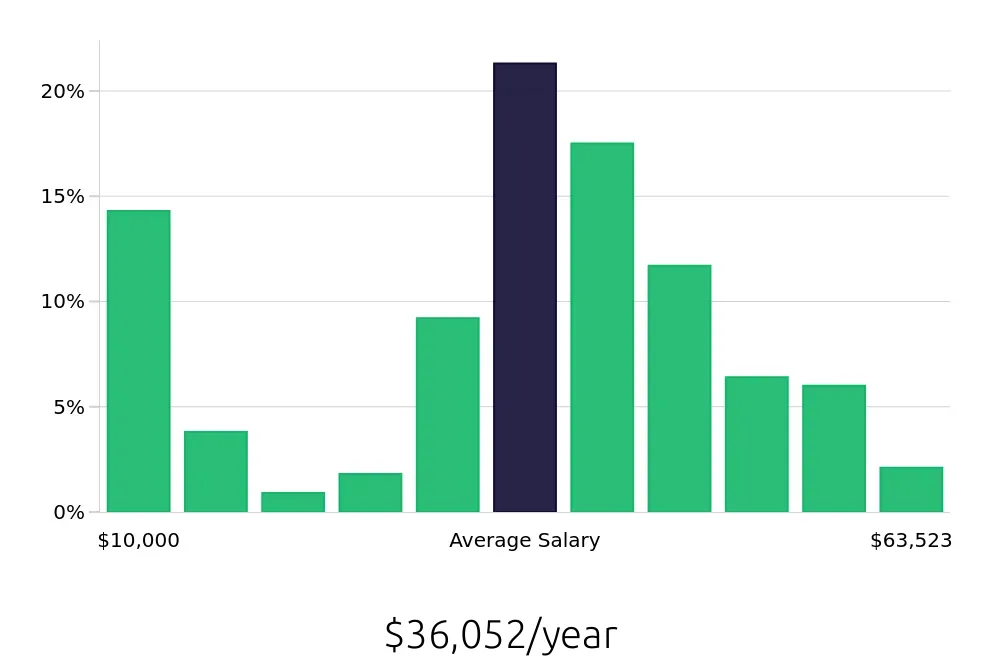
Trash collectors can expect a respectable average national annual compensation. According to the BLS, the average salary is around $47,810 per year. This pay reflects the essential nature of the work. It also highlights the dedication required to keep communities clean and safe. The hourly compensation stands at $22.99. This figure provides a clear idea of the earnings potential for those in this field.
This occupation offers a stable career path for those seeking reliable employment. The consistent job openings and decent compensation make it an attractive choice. Job seekers looking for steady work will find the trash collection industry promising.
Currently 516 Trash Collector job openings, nationwide.
Continue to Salaries for Trash Collector