What does a Travel Coordinator do?
A Travel Coordinator is a key player in the travel industry. They work closely with clients to plan, organize, and execute travel arrangements. This includes booking flights, hotels, and rental cars. They ensure that all travel details meet the client’s needs and budget. A Travel Coordinator also helps manage itineraries and provides support during trips.
To succeed in this role, a Travel Coordinator must have strong organizational skills. They need to handle multiple bookings at once and keep track of details. Excellent communication is also essential. They must coordinate with clients, travel agencies, and airlines. Attention to detail helps avoid errors and ensures a smooth travel experience for clients. Good problem-solving skills are important too, as unexpected issues can arise.
Responsibilities of a Travel Coordinator often include:
- Creating travel itineraries
- Booking flights, hotels, and transportation
- Confirming reservations
- Managing travel budgets
- Assisting clients with travel needs
Travel Coordinators play a vital role in ensuring that travel plans are efficient and enjoyable.
How to become a Travel Coordinator?
Becoming a Travel Coordinator offers an exciting opportunity to work in a dynamic and global industry. This role involves organizing travel arrangements for individuals and groups. It requires attention to detail and strong customer service skills. Below are five essential steps to start a career as a Travel Coordinator.
First, acquire the necessary education. Most Travel Coordinators hold a high school diploma or GED. Some positions may require a bachelor’s degree in business, tourism, or a related field. Attend courses that cover travel management and customer service. Second, gain experience in the travel industry. Look for internships or entry-level jobs in travel agencies, hotels, or airlines. This hands-on experience helps build the skills needed for the role. Third, develop strong computer skills. Travel Coordinators must use various software for booking flights, hotels, and other travel services. Proficiency in programs like Microsoft Office and travel management software is crucial. Fourth, build a strong network. Connect with industry professionals through job fairs, online forums, and travel associations. Networking can open doors to job opportunities and provide valuable insights into the industry. Lastly, obtain certifications that can enhance job prospects. Consider certifications from organizations like the International Air Transport Association (IATA) or the Association of Business Travel Executives (ABTE). These credentials demonstrate a commitment to professional development.
Follow these steps to embark on a successful career as a Travel Coordinator. With the right education, experience, and certifications, you can thrive in this rewarding field.
- Acquire the necessary education.
- Gain experience in the travel industry.
- Develop strong computer skills.
- Build a strong network.
- Obtain relevant certifications.
How long does it take to become a Travel Coordinator?
Travel coordinators plan and organize trips for individuals or groups. They handle the details, from booking flights to arranging accommodations. The time it takes to start this career varies. It depends on education, training, and experience.
Most travel coordinators have at least a high school diploma. Some jobs may ask for a bachelor's degree in hospitality, business, or a related field. These programs usually take four years to complete. After college, gaining experience helps. Many start as travel agents or in related jobs. This hands-on experience is valuable. It takes about two to five years to gain enough experience for a travel coordinator role. Continuing education and certification can also boost career prospects.
Travel coordinators may also get certifications from professional organizations. These can enhance skills and job opportunities. Certifications, like the Certified Travel Counselor (CTC) from the International Association of Professional Congress Organizers (IAPCO), can take a few months to complete. They require passing an exam. Many coordinators find that a combination of formal education and practical experience leads to success in this dynamic field.
Travel Coordinator Job Description Sample
We are seeking a detail-oriented and organized Travel Coordinator to manage all aspects of travel arrangements for our company's employees. The ideal candidate will ensure efficient and cost-effective travel solutions while maintaining high levels of customer satisfaction.
Responsibilities:
- Coordinate and manage all travel arrangements for company employees, including flights, hotels, car rentals, and ground transportation.
- Develop and maintain relationships with travel suppliers and negotiate rates to ensure the best value for the company.
- Prepare and distribute detailed itineraries, ensuring all travel details are accurate and logistically sound.
- Monitor travel policies and procedures to ensure compliance with company guidelines and industry regulations.
- Assist with the organization of corporate events, including conferences, meetings, and team-building activities.
Qualifications
- Proven experience as a Travel Coordinator or similar role.
- Strong organizational skills and attention to detail.
- Excellent communication and negotiation skills.
- Proficiency in travel management software and Microsoft Office Suite.
- Ability to handle multiple tasks and priorities in a fast-paced environment.
Is becoming a Travel Coordinator a good career path?
A Travel Coordinator plays a vital role in organizing travel for businesses and individuals. This role involves arranging flights, hotels, and other travel logistics. It requires excellent communication and organizational skills. Travel Coordinators often work for travel agencies, corporations, or event management companies. They ensure that travel plans meet the needs of their clients while staying within budget. This career offers opportunities to work with diverse clients and travel to different places.
Working as a Travel Coordinator comes with various benefits. One key advantage is the chance to travel frequently. This role allows access to new destinations and cultures. Another benefit is the variety of tasks. Travel Coordinators handle many responsibilities, from booking flights to managing itineraries. This diversity keeps the job interesting and dynamic. Travel Coordinators also work closely with clients, which can lead to good relationships and networking opportunities. However, this role has its challenges. Travel Coordinators may face tight deadlines and last-minute changes. Managing budgets and ensuring client satisfaction can also be demanding. Flexibility and problem-solving skills are essential in this field.
Consider the pros and cons before pursuing a career as a Travel Coordinator. This role offers exciting travel and diverse tasks. But it also requires managing stress and adapting to changes. With the right skills and attitude, a Travel Coordinator can enjoy a rewarding and dynamic career.
Here are some pros and cons to consider:
- Frequent travel opportunities
- Variety of tasks and responsibilities
- Close client interaction
- Potential for networking and relationship building
And some challenges:
- Tight deadlines and last-minute changes
- Need for flexibility and adaptability
- Pressure to manage budgets and client satisfaction
What is the job outlook for a Travel Coordinator?
Travel Coordinators have a promising job outlook ahead. The Bureau of Labor Statistics (BLS) reports around 8,600 job positions available each year. This trend looks steady, with a 3.5% increase expected from 2022 to 2032. These numbers indicate a stable and growing demand for travel professionals.
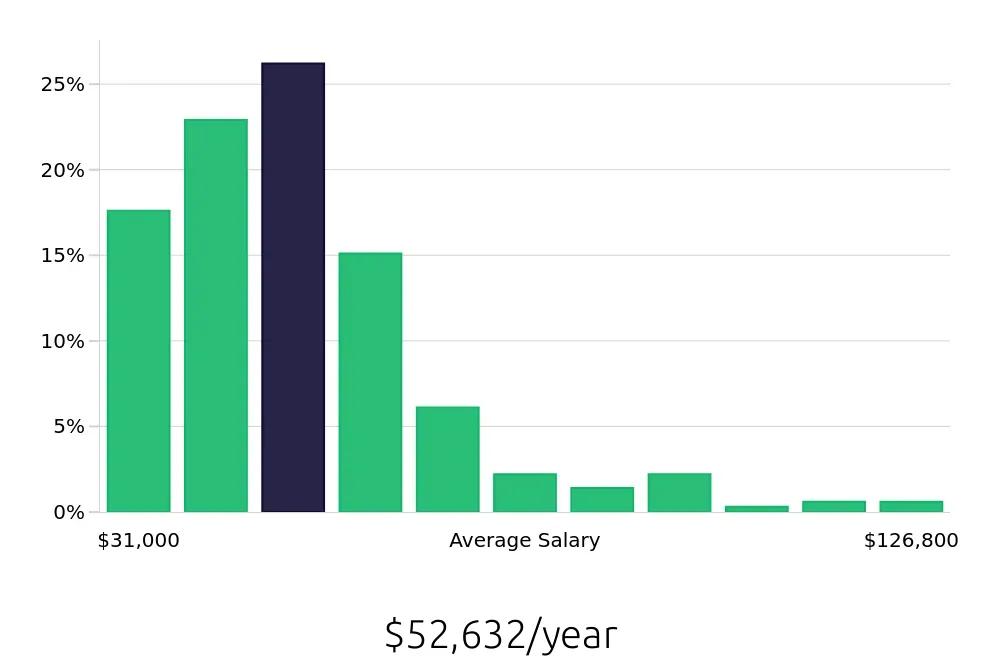
Travel Coordinators can expect an average annual salary of $50,040. This figure reflects a stable and rewarding career choice. Hourly compensation stands at $24.06, offering competitive pay for the work involved. With the right skills and experience, this role can lead to a fulfilling and financially rewarding career.
Job seekers interested in this field should note the positive outlook. The combination of steady job openings and competitive pay makes this a lucrative career path. Whether you are new to the industry or looking to transition, becoming a Travel Coordinator offers promising opportunities.
Currently 72 Travel Coordinator job openings, nationwide.
Continue to Salaries for Travel Coordinator