Position
Overview

What does a Traveling Nurse do?

A Traveling Nurse provides essential healthcare services in various locations. This role involves working in different hospitals, clinics, or other healthcare facilities. Traveling Nurses often fill short-term assignments, allowing them to experience diverse work environments and patient populations. They bring their expertise and skills to areas with staffing shortages or temporary needs. This position requires adaptability and a strong ability to work under different conditions.

Responsibilities of a Traveling Nurse include administering patient care, monitoring vital signs, and assisting with medical procedures. They collaborate with other healthcare professionals to ensure comprehensive patient care. Traveling Nurses must be quick learners, as they often need to adapt to new medical systems and protocols. This role offers the opportunity to travel, meet new people, and gain valuable experience in different settings. It is ideal for nurses who enjoy variety and are passionate about providing quality care wherever needed.

View Traveling Nurse jobs nearby

How to become a Traveling Nurse?

Becoming a traveling nurse offers a unique opportunity to explore new places while using your nursing skills. This career path combines adventure with professional growth. Follow these steps to embark on a journey as a traveling nurse.

First, ensure you have the necessary qualifications. A Bachelor of Science in Nursing (BSN) is typically required. Gaining experience in a hospital or clinical setting helps build your skills. Next, obtain a Registered Nurse (RN) license by passing the NCLEX-RN exam. This is a crucial step to practice nursing legally.

  1. Complete a nursing program.
  2. Gain clinical experience.
  3. Pass the NCLEX-RN exam.
  4. Apply for a nursing license.
  5. Join a travel nursing agency.

After securing your license, apply for a nursing position through a travel nursing agency. These agencies connect nurses with temporary job opportunities in various locations. Research different agencies to find one that matches your career goals. Prepare a strong resume and cover letter to stand out. Once you join an agency, they will help you find assignments that fit your preferences and skills.

How long does it take to become a Traveling Nurse?

Aspiring nurses can expect to complete their education in about two to four years. This includes earning a nursing degree and passing the necessary exams. After gaining some experience in a hospital or clinic, nurses can then pursue additional certifications to become traveling nurses. This process may take a few more months, depending on the individual's schedule and the availability of training programs. Traveling nurses need to be flexible and ready to move to different locations. They often work on short-term contracts, which can vary in length. This career path offers the chance to explore new places while using nursing skills. With dedication and the right qualifications, one can start a rewarding career as a traveling nurse.

Traveling nursing offers a dynamic career path with many rewards. The journey to this role involves several steps. First, a person must complete a nursing program. This can take two to four years. Most choose an Associate Degree in Nursing (ADN) or a Bachelor of Science in Nursing (BSN). After completing the program, passing the NCLEX-RN exam is necessary. This exam tests the knowledge and skills needed to be a safe nurse.

Once the NCLEX-RN is passed, the next step is gaining experience. Many travel nurses start with one to three years in a hospital or clinic. This experience helps build skills and confidence. Some nurses may also get extra certifications. These can make them more attractive to travel nursing agencies. Finally, nurses apply to travel nursing jobs. Agencies review applications and match nurses with the right positions. This process can take a few weeks to a few months. With dedication and hard work, a person can start a rewarding career as a traveling nurse.

Traveling Nurse Job Description Sample

Traveling Nurses are healthcare professionals who provide medical care in various locations, often on a temporary basis. They travel to different healthcare facilities to fill staffing shortages and support patient care. This role requires flexibility, adaptability, and a strong commitment to providing quality patient care.

Responsibilities:

  • Provide high-quality patient care in various healthcare settings.
  • Travel to different locations as needed to fill staffing shortages.
  • Collaborate with healthcare teams to develop and implement patient care plans.
  • Document patient care activities and maintain accurate medical records.
  • Adhere to all healthcare regulations and standards.

Qualifications

  • Registered Nurse (RN) license in the state of employment.
  • Minimum of 2 years of nursing experience, preferably in a clinical setting.
  • Willingness to travel and work in various locations.
  • Strong clinical skills and the ability to adapt to different healthcare environments.
  • Excellent communication and interpersonal skills.

Is becoming a Traveling Nurse a good career path?

A career as a traveling nurse offers unique opportunities and challenges. This role involves working in various locations, providing essential care in different settings. Traveling nurses often find themselves in high demand, which can lead to competitive pay and diverse experiences. The flexibility of this job allows nurses to explore new environments and cultures, enhancing their professional skills and personal growth. However, the transient nature of the job means frequent relocations, which can disrupt personal life and make it hard to establish long-term roots.

When considering this career path, it's important to weigh the benefits and drawbacks. The advantages include the chance to earn higher wages, gain varied experiences, and enjoy job security due to the constant demand for healthcare professionals. On the downside, the constant travel can lead to feelings of isolation and make it difficult to maintain a stable home life. Additionally, the need to quickly adapt to new facilities and protocols can be stressful. Understanding these factors helps in making an informed decision about pursuing a career as a traveling nurse.

Here are some pros and cons to consider:

  • Pros:
  • Higher pay rates
  • Varied work experiences
  • Job security
  • Opportunities to travel
  • Cons:
  • Frequent relocations
  • Potential for isolation
  • Difficulty in maintaining a stable home life
  • Need to adapt to new environments quickly

What is the job outlook for a Traveling Nurse?

The job outlook for traveling nurses is promising, with an average of 193,100 job positions available each year. This trend is expected to grow by 5.6% from 2022 to 2032, according to the Bureau of Labor Statistics (BLS). This steady increase highlights the ongoing demand for skilled nursing professionals willing to travel to different locations.

Traveling nurses enjoy a competitive average annual salary of $94,480. This compensation reflects the specialized skills and flexibility required for this role. Additionally, the hourly rate stands at $45.42, offering attractive financial benefits. These figures make the traveling nurse position an appealing career choice for many healthcare professionals.

For job seekers, the traveling nurse role provides not only a stable job outlook but also the opportunity to explore new places and work environments. The combination of a growing job market, good compensation, and the chance for professional and personal growth makes this career path highly desirable.

Currently 3,980 Traveling Nurse job openings, nationwide.

Continue to Salaries for Traveling Nurse

Learn about Traveling Nurse salaries, top-paying cities, and hiring companies. See how much you could earn!
Position
Salary
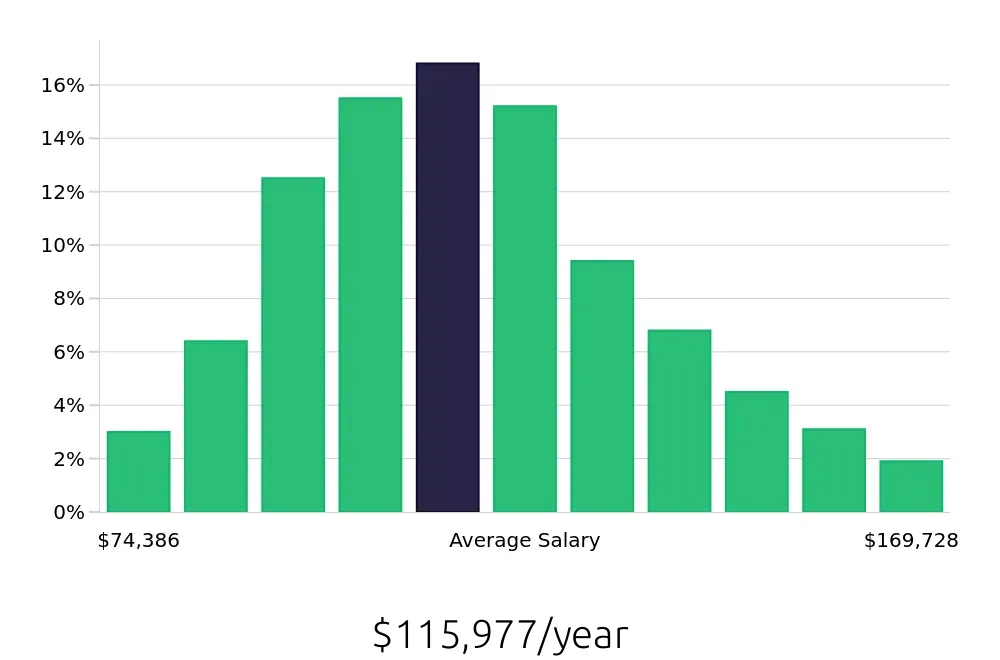
Salaries For Traveling Nurse
Averge salary $111,038 per year
Graph depicting the yearly salary distribution for Traveling Nurse positions, showing an average salary of $111,038 with varying distribution percentages across salary ranges.