What does a TVI do?
TVI (Technical Vehicle Inspector) roles are crucial for ensuring that vehicles meet safety and regulatory standards. They examine vehicles to check for defects, wear and tear, and compliance with all relevant regulations. Inspectors perform detailed assessments of both new and used vehicles, ensuring everything from tire conditions to lighting systems meet required standards. They document their findings thoroughly and provide feedback to vehicle owners or dealers. TVI positions demand a keen eye for detail, technical knowledge, and the ability to make fair and accurate judgments.
This role often involves working in various environments, such as at inspection stations, dealer lots, or private garages. Inspectors interact with a range of people, including vehicle owners, sales staff, and mechanics. Effective communication skills are essential, as inspectors must explain their findings clearly and provide guidance on necessary repairs or adjustments. They may also need to handle paperwork and maintain records of inspections conducted. This job requires a strong commitment to public safety and adherence to legal standards.
How to become a TVI?
Becoming a Television Installer (TVI) offers a rewarding career in the electronics field. With the right steps, anyone can enter this profession and enjoy a stable job market. The journey to becoming a TVI involves acquiring skills, education, and certifications.
Here is a simple guide to help understand the process:
- Learn the Basics: Begin by understanding what a TVI does. This involves installing, repairing, and maintaining televisions and other electronic devices. Research the skills needed for the job.
- Get Education: Most employers prefer candidates with a high school diploma. Some may require more education, like a technical degree or vocational training in electronics or telecommunications.
- Gain Experience: Look for internships or entry-level positions in the industry. Practical experience helps understand the day-to-day work and builds necessary skills.
- Obtain Certifications: Certification can improve job prospects. Seek certifications from recognized bodies like the Telecommunications Industry Association (TIA) or similar organizations.
- Apply for Jobs: Use the skills, education, and certifications to start looking for TVI jobs. Tailor resumes to highlight relevant experience and skills.
How long does it take to become a TVI?
Pursuing a career as a Transportation Vehicle Inspector (TVI) opens up exciting opportunities. Many people want to know how long it takes to complete the necessary training and steps. TVIs ensure vehicles meet safety and operational standards. This career often requires specific education and certifications.
Training to become a TVI can take about one to three years. This time includes education, hands-on training, and certification. The first step usually involves completing a program in automotive technology or a related field. These programs often last about two years. They cover subjects like vehicle mechanics, safety standards, and inspection procedures. Some students may also choose to take additional courses in areas like customer service and communication. This can provide a well-rounded skill set for the job. After completing the educational part, aspiring TVIs gain practical experience. This can come from internships or entry-level positions in related fields. It also takes time to study and pass any required certification exams.
The journey to becoming a TVI involves dedication and hard work. With the right education and training, professionals can enter this rewarding career and make a positive impact on public safety.
TVI Job Description Sample
The Transportation Vehicle Inspector (TVI) plays a critical role in ensuring the safety, compliance, and efficiency of transportation vehicles within an organization. The TVI is responsible for conducting thorough inspections, identifying potential issues, and maintaining detailed records to uphold high standards and regulatory requirements.
Responsibilities:
- Conduct regular and random inspections of transportation vehicles to ensure compliance with safety regulations and organizational standards.
- Identify and document any defects, malfunctions, or maintenance issues found during inspections.
- Collaborate with maintenance and repair teams to facilitate timely repairs and necessary maintenance.
- Maintain detailed and accurate records of all inspections, findings, and repairs conducted.
- Provide feedback and recommendations to management regarding fleet conditions and potential improvements.
Qualifications
- High school diploma or equivalent required; additional education or training in transportation, mechanics, or a related field is a plus.
- Previous experience as a Transportation Vehicle Inspector or in a similar role is highly desirable.
- Knowledge of relevant safety regulations, inspection protocols, and industry standards.
- Strong attention to detail and the ability to identify potential issues with vehicles.
- Excellent communication and interpersonal skills to effectively collaborate with maintenance and repair teams.
Is becoming a TVI a good career path?
A career as a Travel Verification Investigator (TVI) offers unique challenges and rewards. This role involves verifying travel itineraries and ensuring compliance with legal and company policies. TVIs work with airlines, travel agencies, and law enforcement. They analyze travel patterns to prevent fraud and ensure security. Many TVIs enjoy a blend of office work and fieldwork, which keeps their job interesting.
Choosing a career as a TVI has its benefits and drawbacks. Below are some pros and cons to consider.
- Pros:
- Job stability: Travel verification is always in demand.
- Travel opportunities: TVIs may get to visit new places for work.
- Strong demand: As travel increases, so does the need for TVIs.
- Good earnings: Experienced TVIs can earn a competitive salary.
- Cons:
- Stressful situations: Dealing with fraud can be high-pressure.
- Long hours: TVIs may need to work irregular hours, including nights and weekends.
- Travel demands: Constant travel can be tiring and away from home.
- Safety risks: The job can involve situations that may be dangerous.
Ultimately, a career as a TVI can be rewarding but requires careful consideration of the demands and rewards involved.
What is the job outlook for a TVI?
The job outlook for TVIs, or Teachers of the Visually Impaired, looks promising. The Bureau of Labor Statistics (BLS) reports around 51,700 average job positions per year. This means many opportunities exist for skilled professionals in this field. TVIs support students with visual impairments, helping them succeed in education. With demand growing, this career path offers stability and purpose.
From 2022 to 2032, the BLS forecasts a 14.2% increase in job openings for TVIs. This growth indicates a rising need for specialists who can provide tailored education and support. As more students with visual impairments enter schools, the demand for skilled TVIs rises. This trend bodes well for those considering this career.
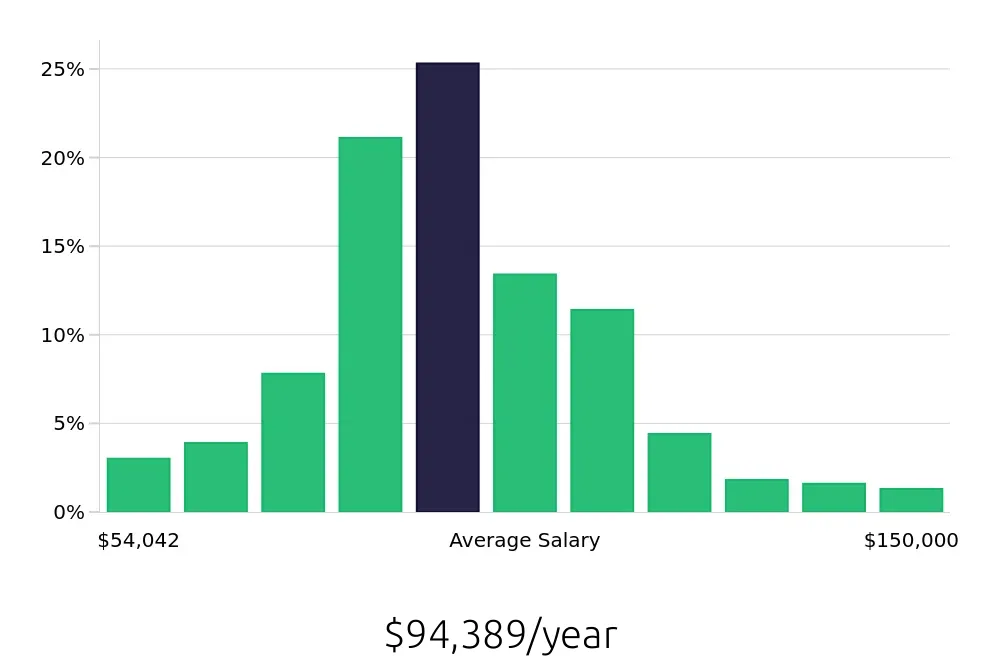
Earnings for TVIs are competitive, with an average national annual compensation of $92,670. Hourly, the compensation stands at $44.55. These figures reflect the value placed on the expertise TVIs bring to students and schools. With good pay and job security, a career as a TVI can be both rewarding and financially beneficial. Job seekers can look forward to a stable and well-compensated profession.
Currently 98 TVI job openings, nationwide.
Continue to Salaries for TVI