What does a Unit Manager do?
A Unit Manager oversees the day-to-day operations within a specific unit or department. This role involves ensuring that all activities align with the organization's goals and standards. The Unit Manager coordinates tasks, assigns responsibilities, and manages staff. They also handle budgeting, scheduling, and performance evaluations. Their goal is to maintain smooth operations and high productivity within their area.
Responsibilities of a Unit Manager often include setting objectives and monitoring progress towards them. They work closely with team members to solve problems and implement new procedures. The Unit Manager also communicates with higher management to report on unit performance and suggest improvements. They ensure that all team members have the resources they need to succeed. By managing resources effectively, a Unit Manager helps the organization run efficiently and meet its targets.
How to become a Unit Manager?
Becoming a Unit Manager can open many doors in the professional world. This role is crucial for overseeing team operations, ensuring smooth workflows, and driving the success of a unit. Here is a guide on how to achieve this career goal.
Starting a journey to become a Unit Manager requires dedication and the right steps. Follow these essential steps to prepare for a successful career.
- Gain Relevant Experience: Start by gaining experience in a related field. Look for roles that offer opportunities to manage teams and projects. This experience builds the skills needed for a Unit Manager.
- Develop Leadership Skills: Focus on developing leadership and management skills. Attend workshops, seek mentorship, and take on leadership roles in current positions. Strong leadership is key for a Unit Manager.
- Obtain Necessary Education: Consider obtaining a degree in business, management, or a related field. Some roles may require a specific educational background, so check the job requirements.
- Network within the Industry: Build connections with professionals in the industry. Join professional groups, attend networking events, and engage with others in the field. Networking can lead to job opportunities and valuable insights.
- Apply for Unit Manager Positions: Once ready, start applying for Unit Manager roles. Tailor resumes and cover letters to highlight relevant experience and skills. Prepare for interviews by practicing common questions and demonstrating knowledge of management principles.
How long does it take to become a Unit Manager?
The journey to becoming a Unit Manager can vary. It often depends on a person's education, experience, and the specific industry they work in. Most managers start with a bachelor's degree in business, management, or a related field. This degree usually takes four years to complete.
After earning a degree, many people gain experience in roles such as team leader or assistant manager. Experience needs can change based on the industry. Retail might need two to three years, while healthcare may require five years or more. Some employers prefer candidates with advanced degrees or professional certifications. This can add another one to two years to the process. In total, it may take five to ten years to become a Unit Manager.
Unit Manager Job Description Sample
The Unit Manager will oversee daily operations within the designated unit, ensuring efficient and effective workflows. This role involves managing staff, coordinating activities, and fostering a positive work environment to meet organizational goals.
Responsibilities:
- Supervise and manage unit staff, including hiring, training, scheduling, performance evaluation, and conflict resolution.
- Develop and implement operational policies and procedures to ensure compliance with organizational standards.
- Monitor and report on unit performance metrics, providing analysis and recommendations for improvement.
- Coordinate and oversee day-to-day activities within the unit to ensure smooth operations.
- Ensure the availability of necessary resources and supplies for unit operations.
Qualifications
- Bachelor’s degree in Business Administration, Management, or a related field. Master’s degree preferred.
- A minimum of 5 years of management experience in a related industry.
- Proven experience in leading and developing a team.
- Strong knowledge of operational management and performance metrics.
- Excellent leadership, communication, and interpersonal skills.
Is becoming a Unit Manager a good career path?
A Unit Manager plays a key role in overseeing a specific section or team within an organization. This role involves coordinating daily operations, ensuring tasks are completed efficiently, and managing staff. It requires strong leadership skills and the ability to work under pressure. The position provides opportunities to develop both personally and professionally, with the potential to advance to higher management roles.
Working as a Unit Manager has its own set of advantages and challenges. Consider these pros and cons before pursuing this career path:
- Pros:
- Leadership opportunities: Gain experience in managing teams and projects.
- Skill development: Enhance skills in communication, problem-solving, and decision-making.
- Career advancement: Potential to move up to higher managerial positions.
- Impact: Directly contribute to the success of your team and organization.
- Cons:
- High responsibility: Managing a team comes with significant accountability.
- Pressure: Often work under tight deadlines and high-stress conditions.
- Long hours: The job may require long working hours, including weekends.
- Conflict resolution: Handling disputes among team members can be challenging.
What is the job outlook for a Unit Manager?
The job outlook for Unit Managers is strong, with an average of 31,400 job positions opening each year, according to the Bureau of Labor Statistics (BLS). This figure suggests that numerous opportunities exist for those seeking a career in this role. The demand for Unit Managers is expected to grow by 5.3% from 2022 to 2032, indicating a positive trend in this sector. Job seekers can look forward to a stable and growing job market, offering ample prospects for career advancement.
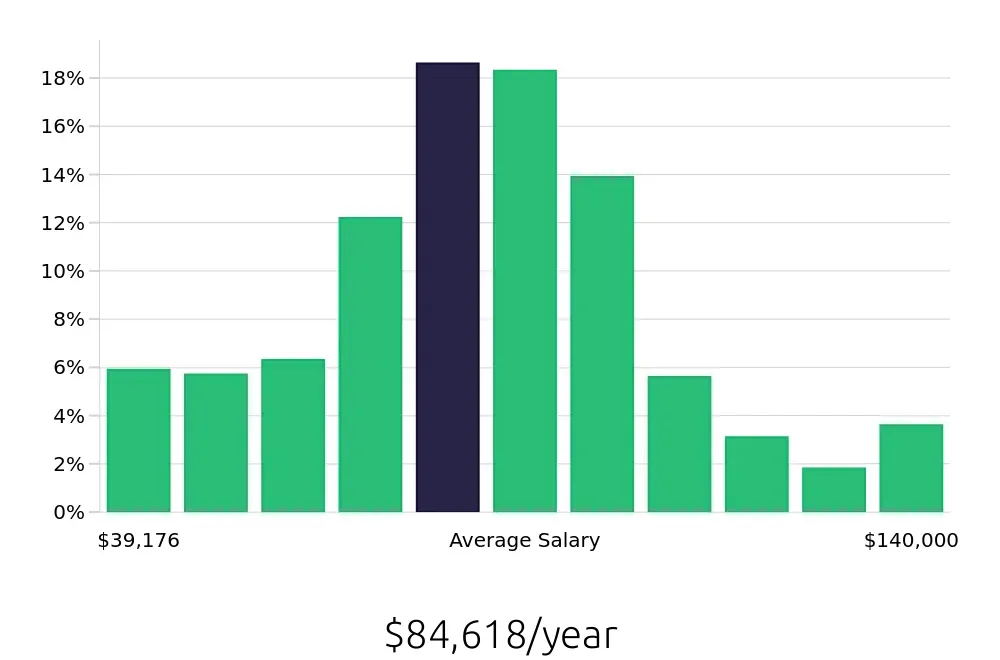
Unit Managers enjoy a competitive salary, with an average national annual compensation of $117,650, as reported by the BLS. This figure reflects the value placed on the skills and responsibilities associated with this role. In addition to the annual salary, Unit Managers earn an average national hourly compensation of $56.56, underscoring the lucrative nature of this career. Prospective job seekers can anticipate a rewarding financial package as part of their professional journey in this field.
Pursuing a career as a Unit Manager opens the door to numerous benefits and growth opportunities. With the job market showing consistent growth and a solid compensation package, this role is an attractive option for experienced professionals. Job seekers who aim to lead and manage teams can find fulfillment in the dynamic and impactful nature of Unit Management. By leveraging the positive job outlook and competitive salaries, individuals can build a successful and rewarding career in this field.
Currently 544 Unit Manager job openings, nationwide.
Continue to Salaries for Unit Manager