What does a Universal Banker do?
A Universal Banker plays a crucial role in the financial industry. They serve as a primary point of contact for customers, offering a wide range of banking services. This position requires a versatile skill set, including the ability to handle transactions, provide financial advice, and manage customer accounts. Universal Bankers work closely with clients to understand their needs and offer tailored solutions.
In this role, a Universal Banker must be knowledgeable about various banking products and services. They assist customers with savings accounts, loans, mortgages, and investment options. They also help with budgeting and financial planning. The job involves a lot of customer interaction, so strong communication skills are essential. Universal Bankers need to be friendly, patient, and able to explain complex financial concepts in simple terms. They often work in a team, collaborating with other bank staff to ensure customer satisfaction. This position is ideal for those who enjoy helping others and have a passion for finance.
How to become a Universal Banker?
Becoming a Universal Banker offers a dynamic and rewarding career path. This role combines various banking services, providing a comprehensive approach to customer needs. It requires a blend of skills and knowledge, making it an attractive option for many professionals. The journey to becoming a Universal Banker involves several key steps.
First, gaining a solid educational foundation is essential. Most banks prefer candidates with at least a bachelor's degree in finance, business, or a related field. This education provides the necessary knowledge of financial principles and banking operations. Next, acquiring relevant work experience is crucial. Starting in entry-level positions within a bank can help build the skills needed for a Universal Banker role. This experience allows individuals to understand the day-to-day operations and customer interactions in banking. Additionally, obtaining certifications can enhance a candidate's qualifications. Certifications such as the Certified Bank Teller (CBT) or the Certified Financial Services Auditor (CFSA) can demonstrate a commitment to professional development. Networking within the banking industry is another important step. Attending industry events, joining professional associations, and connecting with current Universal Bankers can provide valuable insights and opportunities. Finally, developing strong communication and customer service skills is vital. Universal Bankers must interact with a wide range of clients, requiring excellent communication abilities and a customer-focused approach.
To summarize, the path to becoming a Universal Banker includes:
- Earning a relevant degree.
- Gaining work experience in banking.
- Obtaining relevant certifications.
- Networking within the industry.
- Developing strong communication skills.
How long does it take to become a Universal Banker?
The journey to becoming a Universal Banker involves several steps. First, a candidate needs a high school diploma or equivalent. This is the starting point. After completing high school, the next step is to gain relevant experience. Many start with entry-level positions in banking or finance. This experience helps build a strong foundation.
Once the candidate has some experience, they can pursue further education. Many Universal Bankers hold a bachelor's degree. This degree can be in business, finance, or a related field. Some may also complete additional certifications. These can include the Certified Banking & Credit Analyst (CBCA) or the Certified Financial Services Auditor (CFSA). These steps help prepare a candidate for a Universal Banker role. The total time can vary, but it often takes a few years to complete all the necessary steps.
Universal Banker Job Description Sample
The Universal Banker is responsible for providing a wide range of banking services to clients, including personal and business banking, loans, investments, and financial planning. This role requires a versatile individual who can adapt to various banking needs and deliver exceptional customer service.
Responsibilities:
- Provide personalized banking services to clients, including account management, loan processing, and financial advice.
- Assist clients with transactions, such as deposits, withdrawals, transfers, and bill payments.
- Evaluate clients' financial needs and recommend appropriate banking products and services.
- Maintain accurate and up-to-date client records and ensure compliance with banking regulations and policies.
- Collaborate with other bank departments to ensure seamless service delivery and address client inquiries.
Qualifications
- Bachelor's degree in Finance, Business Administration, or a related field.
- Previous experience in banking or a financial services role is preferred.
- Strong understanding of banking products and services, including loans, investments, and financial planning.
- Excellent communication and interpersonal skills to effectively interact with clients and colleagues.
- Ability to work independently and as part of a team to achieve common goals.
Is becoming a Universal Banker a good career path?
The role of a Universal Banker offers a dynamic career path with diverse opportunities. This position involves handling a wide range of financial services, including personal banking, corporate banking, and investment services. Universal Bankers work closely with clients to understand their needs and provide tailored financial solutions. This role requires strong communication skills and a deep understanding of financial products and services.
Working as a Universal Banker comes with its own set of advantages and challenges. Understanding these can help professionals make informed decisions about pursuing this career path. Here are some pros and cons to consider:
- Pros:
- Variety in work: Handle different types of financial services.
- Client interaction: Build strong relationships with clients.
- Skill development: Gain diverse skills in banking and finance.
- Career growth: Opportunities for advancement within the bank.
- Cons:
- High pressure: Managing multiple tasks can be stressful.
- Long hours: The job may require working beyond regular hours.
- Regulatory changes: Adapting to new regulations can be challenging.
- Competition: High competition for promotions and new roles.
What is the job outlook for a Universal Banker?
The role of a Universal Banker offers a promising career path for job seekers. With an average of 3,200 job positions available each year, according to the Bureau of Labor Statistics (BLS), there is a steady demand for skilled professionals in this field. This role provides a broad range of banking services, making it a versatile option for those seeking stability and growth in their careers.
Despite a projected decrease of 14.4% in job openings from 2022 to 2032, the Universal Banker position remains a valuable career choice. This slight decline is due to the evolving financial landscape and technological advancements. However, the demand for experienced bankers who can navigate these changes continues to be strong. Job seekers with the right skills and adaptability will find ample opportunities in this field.
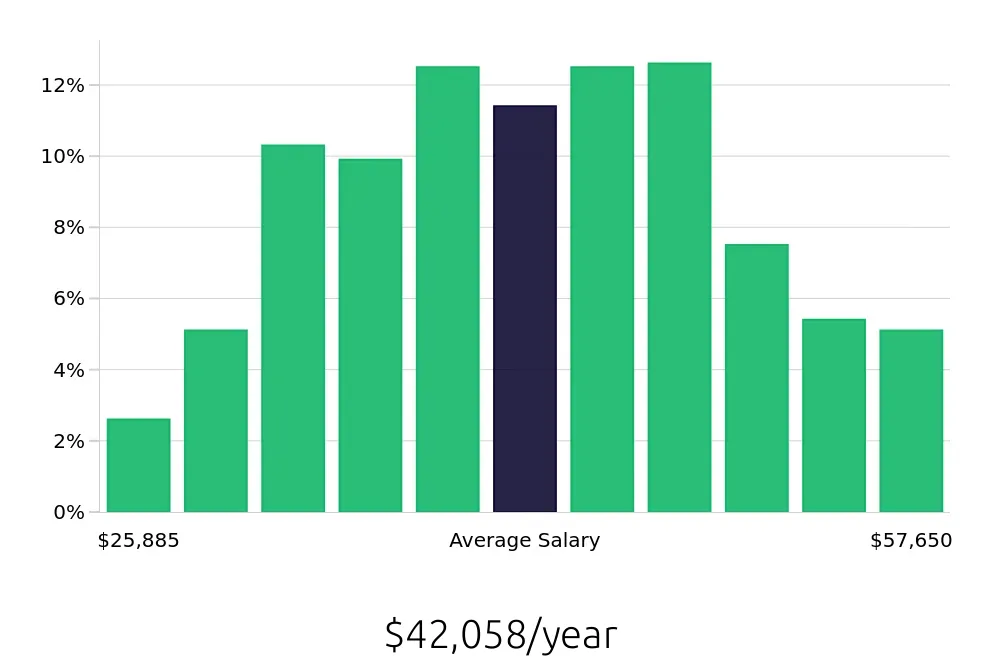
The average annual compensation for Universal Bankers stands at $44,670, with an hourly rate of $21.48, as reported by the BLS. This competitive salary reflects the importance of the role and the skills required. For those entering the banking sector, a career as a Universal Banker offers not only financial rewards but also a chance to develop a wide range of professional skills. This career path is ideal for job seekers looking for a stable and rewarding profession.
Currently 1,519 Universal Banker job openings, nationwide.
Continue to Salaries for Universal Banker