What does a Utility Locator do?
A Utility Locator plays a crucial role in ensuring safety and efficiency in various projects. This professional uses specialized equipment to identify underground utilities such as gas lines, water pipes, and electrical cables. By detecting these utilities before any excavation begins, they help prevent costly accidents and delays. The Utility Locator carefully maps out the locations of these utilities, providing vital information to construction teams and utility companies.
Responsibilities of a Utility Locator often include operating advanced detection tools and interpreting results accurately. They must work closely with project managers and site crews to ensure that all utility locations are correctly identified and documented. This job requires attention to detail, precision, and a commitment to safety. Utility Locators also need to stay updated with the latest technology and techniques in utility detection to perform their duties effectively. Their work is essential in maintaining the integrity of infrastructure and preventing damage to critical services.
How to become a Utility Locator?
Becoming a Utility Locator can lead to a rewarding career. This job involves finding underground utilities like gas lines, water pipes, and electrical cables. Companies need locators to ensure safety during construction projects. Below are steps to embark on this career path.
The journey to becoming a Utility Locator starts with education and training. Most employers require a high school diploma or equivalent. Consider taking courses in surveying, construction, or electrical work. These classes provide useful skills and knowledge. Some employers offer on-the-job training, which can be valuable for beginners.
- Obtain necessary certifications: Many regions require specific licenses or certifications. Research what is needed in your area. The International Utility Locating Council (IULC) offers a respected certification. Achieving this credential can improve job prospects.
- Gain experience: Start with entry-level positions or internships in utility locating. This hands-on experience is crucial. It helps build skills and make industry connections. Volunteering or assisting experienced locators can also be beneficial.
- Learn to use locating equipment: Become proficient with tools like ground-penetrating radar and electromagnetic locators. Practice using these devices to accurately pinpoint underground utilities. This skill is essential for the job.
- Develop strong communication skills: Utility Locators need to communicate clearly with construction teams, engineers, and other professionals. Practice explaining your findings in a clear and concise manner. Good communication helps prevent accidents and ensures projects run smoothly.
- Stay updated with technology: The field of utility locating is always evolving with new technology. Attend workshops, seminars, and industry conferences. Keep up with the latest tools and methods to stay competitive.
How long does it take to become a Utility Locator?
The path to becoming a Utility Locator involves several steps. Most professionals start with a high school diploma or GED. Some choose to pursue additional training in related fields like electrical work or construction. This training can be done through community colleges, technical schools, or online courses. These courses cover topics such as map reading, GPS technology, and safety protocols. The length of training varies based on the depth of the course and whether it is a full-time or part-time program.
After completing training, gaining hands-on experience becomes crucial. This can be achieved through apprenticeships or entry-level positions with utility companies. Typically, this experience lasts from six months to two years. During this time, individuals learn the practical skills needed to locate underground utilities safely and accurately. Some states may require a license or certification, which can add additional time to the process. Professionals may need to pass exams or meet specific experience requirements to achieve these credentials.
Utility Locator Job Description Sample
The Utility Locator is responsible for the accurate detection and marking of underground utilities such as water, gas, and electrical lines to ensure safety and efficiency in construction and excavation projects.
Responsibilities:
- Perform utility location surveys using various detection equipment such as ground-penetrating radar, electromagnetic locators, and acoustic devices.
- Identify, locate, and mark the position of underground utilities using appropriate markings and tools.
- Prepare detailed survey reports with accurate mappings and documentation of detected utilities.
- Communicate with project managers, contractors, and other stakeholders to ensure safety protocols are followed during excavation and construction activities.
- Stay updated on the latest utility detection technologies and best practices.
Qualifications
- High school diploma or equivalent; additional vocational training or certification in utility locating is preferred.
- Proven experience as a Utility Locator or in a related field.
- Proficient in using utility locating equipment and software.
- Strong understanding of utility locating regulations and safety protocols.
- Excellent attention to detail and accuracy in survey results.
Is becoming a Utility Locator a good career path?
Utility locators work in an exciting field. They use technology to find underground pipes and wires. This job plays a key role in many construction projects. It helps prevent damage to important utilities during building work. Companies hire utility locators to ensure safety and efficiency. These professionals use specialized equipment to locate underground lines.
Working as a utility locator has many benefits. For one, it often offers good pay. Companies need skilled professionals to find buried utilities. This demand can lead to competitive salaries. Utility locators also work in various environments. They may travel to different job sites each day. This variety can make the job interesting. Plus, it provides opportunities to learn new skills and technologies. Being a utility locator can also offer job security. As long as there are buildings and infrastructure, the need for utility locators will remain.
However, the job has some downsides. Working outside can be tough. Utility locators often face different weather conditions. They may work in heat, cold, rain, or snow. This can make the job physically demanding. The job also requires specialized training and equipment. This need can make it harder to start in the field. Utility locators must stay updated with new technologies. This ongoing training can take time and effort.
Consider these pros and cons before pursuing this career:
- Pros: Good pay, job variety, skill development, job security
- Cons: Physical demands, need for ongoing training, exposure to weather
What is the job outlook for a Utility Locator?
Becoming a Utility Locator offers promising job prospects in the coming years. According to the Bureau of Labor Statistics (BLS), around 20,600 positions are expected each year. This trend shows steady growth, with a projected increase of 4.7% from 2022 to 2032. Job seekers can expect a consistent demand for professionals in this field.
Utility Locators play a critical role in construction and maintenance projects. Their expertise in locating underground utilities helps prevent accidents and delays. This essential service ensures the safety and efficiency of various infrastructure developments. As urban areas expand and modernize, the need for skilled Utility Locators will continue to grow.
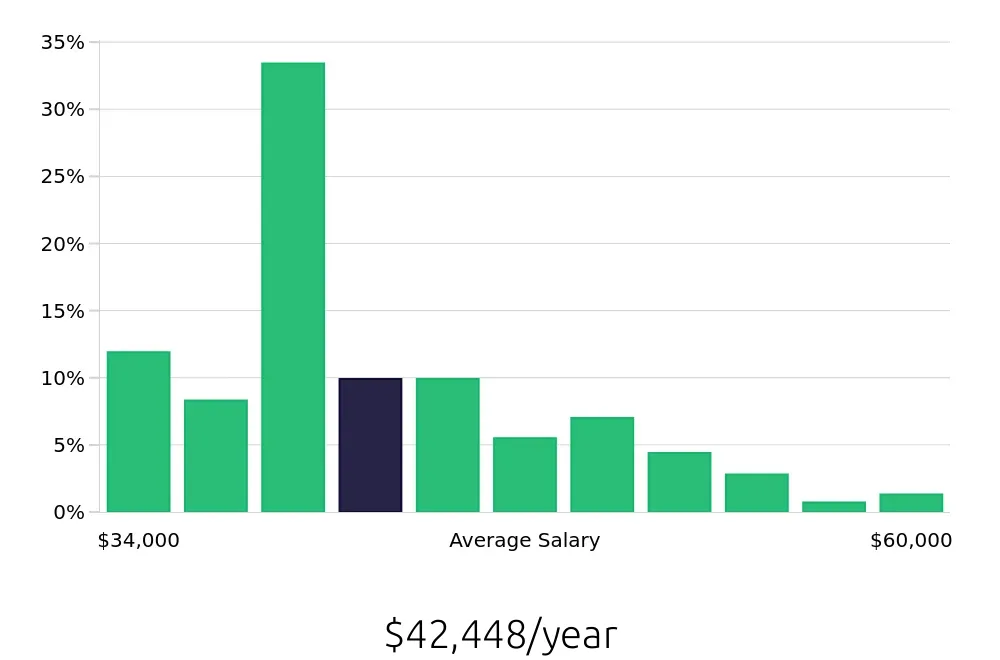
Professionals in this role enjoy a competitive salary. The BLS reports an average annual compensation of $78,290. Hourly, the average rate is $37.64, reflecting the value of their skills and experience. This compensation highlights the importance of this role and the potential for a rewarding career in utility location.
Currently 286 Utility Locator job openings, nationwide.
Continue to Salaries for Utility Locator