What does a Value Stream Manager do?
A Value Stream Manager oversees the flow of materials and information in a production system. This role ensures that processes are efficient and effective. The manager identifies areas for improvement and implements strategies to enhance productivity. They work closely with teams to streamline operations and minimize waste. A Value Stream Manager plays a key role in achieving company goals and maintaining high standards.
Responsibilities of a Value Stream Manager include analyzing current processes, developing improvement plans, and training staff. They collaborate with various departments to implement changes. This role requires strong problem-solving skills and the ability to communicate effectively. A successful Value Stream Manager focuses on continuous improvement and driving efficiency in the workplace. They ensure that projects meet deadlines and quality standards. This position is critical for maintaining a competitive edge in the market.
How to become a Value Stream Manager?
Becoming a Value Stream Manager involves several key steps that can lead to a rewarding career in operations management. This role focuses on optimizing processes to increase efficiency and reduce waste. A successful manager must understand both the technical and strategic aspects of business operations.
Here are the steps to embark on this career path:
- Gain Relevant Education and Experience
- Develop Core Skills
- Earn Certifications
- Apply for Entry-Level Positions
- Advance to Management Roles
Firstly, obtaining a degree in business, engineering, or a related field is crucial. Experience in operations or logistics provides a solid foundation. Developing skills such as data analysis, problem-solving, and communication is essential. Certifications like Lean Six Sigma or APICS can boost your resume. Start with entry-level positions to gain practical experience. Finally, with sufficient experience, aim for management roles to become a Value Stream Manager.
Follow these steps to build a successful career as a Value Stream Manager. Each step offers opportunities to learn and grow, leading to a fulfilling career in business optimization.
How long does it take to become a Value Stream Manager?
Value Stream Managers play a key role in improving business processes. They focus on enhancing efficiency and reducing waste. This job often requires experience in operations or management. Companies look for individuals who understand value streams and lean principles.
The time it takes to become a Value Stream Manager varies. Some people enter the field after a few years of experience in operations. Others may complete additional training or education. Certifications in lean management can help. Many professionals earn these certifications in a year or less. On-the-job experience is also important. This can take anywhere from one to five years. Companies value candidates with both education and practical experience.
In summary, the journey to becoming a Value Stream Manager includes:
- Gaining work experience in operations
- Pursuing additional training or education
- Obtaining certifications in lean management
With dedication, it is possible to become a Value Stream Manager in a few years.
Value Stream Manager Job Description Sample
The Value Stream Manager is responsible for leading and optimizing the end-to-end value streams within the organization. This role involves analyzing current processes, identifying opportunities for improvement, and implementing changes to enhance efficiency, reduce waste, and increase productivity.
Responsibilities:
- Analyze and map current value streams to identify areas for improvement.
- Develop and implement strategies to optimize processes and eliminate waste.
- Collaborate with cross-functional teams to drive continuous improvement initiatives.
- Establish and monitor key performance indicators (KPIs) to measure the effectiveness of value stream improvements.
- Lead process improvement projects and initiatives to enhance overall operational efficiency.
Qualifications
- Bachelor's degree in Business, Engineering, or related field.
- Minimum of 5 years of experience in process improvement, lean management, or a similar role.
- Certified Lean Six Sigma Black Belt or equivalent certification is highly desirable.
- Proven experience in leading and managing process improvement initiatives.
- Strong analytical and problem-solving skills.
Is becoming a Value Stream Manager a good career path?
A Value Stream Manager focuses on improving business processes to make them more efficient. This person works closely with teams to find ways to reduce waste and boost value. They play a key role in Lean Management. This role requires strong problem-solving skills and the ability to work well with others. They often use tools like process mapping and data analysis to achieve their goals.
This career has many benefits. Value Stream Managers often enjoy good job stability and potential for advancement. They have the chance to make real, tangible improvements in how a company operates. The role also provides a variety of challenges and opportunities to learn. Many find the work fulfilling as they help improve efficiency and productivity. However, the job can also have its challenges. It often requires long hours and can be quite demanding. It may involve working on complex projects that require in-depth knowledge and experience. There can be a lot of pressure to deliver results quickly.
Consider these pros and cons before pursuing this career:
- Pros:
- Helps make business processes more efficient.
- Offers job stability and opportunities for advancement.
- Provides the chance to make tangible improvements.
- Offers diverse challenges and learning opportunities.
- Can be a fulfilling role for those who enjoy problem-solving.
- Cons:
- May require long hours and be very demanding.
- Often involves working on complex projects.
- Requires in-depth knowledge and experience.
- Can be high-pressure to deliver results quickly.
What is the job outlook for a Value Stream Manager?
The job outlook for a Value Stream Manager is promising. On average, there are 107,000 job positions available each year. This role is seeing a steady increase, with a projected percent change of 4.1% from 2022 to 2032. This growth indicates a strong demand for professionals who can optimize business processes and drive efficiency.
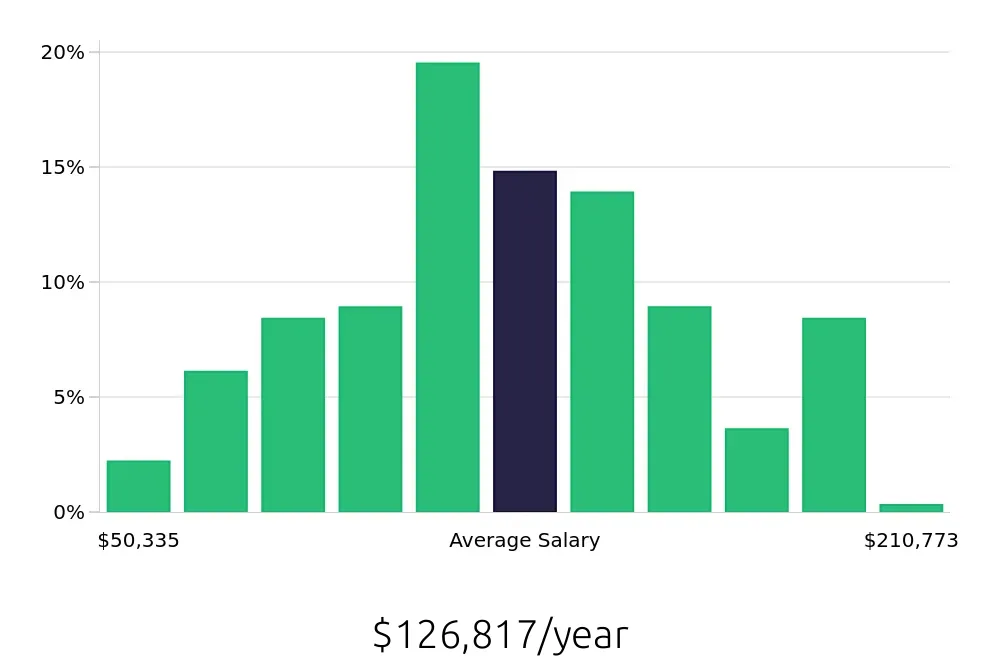
Value Stream Managers earn a competitive salary. The average national annual compensation for this role is $89,130. This figure reflects the value employers place on skilled managers who can enhance productivity and reduce waste. Additionally, the average national hourly compensation is $42.85, showcasing the financial rewards for those in this field. Job seekers can expect good earning potential in this role.
Given the stable job outlook and attractive compensation, becoming a Value Stream Manager is an excellent career choice. Employers seek professionals who can streamline operations and improve workflows. With solid training and experience, job seekers can secure a rewarding position in this growing field.
Currently 52 Value Stream Manager job openings, nationwide.
Continue to Salaries for Value Stream Manager