What does a Veterans Adviser do?
A Veterans Adviser plays a crucial role in supporting individuals who have served in the military. They provide guidance on benefits, services, and resources available to veterans. This position involves meeting with clients to understand their unique needs and helping them navigate various programs. Veterans Advisers work to ensure that veterans receive the support they deserve.
Responsibilities of a Veterans Adviser include researching and explaining different benefits, assisting with applications, and following up on cases. They often work with government agencies, non-profit organizations, and other service providers to create a support network for veterans. Advisers need strong communication skills and a deep understanding of veteran services. They act as a link between the veteran and the services they need to thrive in civilian life.
How to become a Veterans Adviser?
Becoming a Veterans Adviser involves several steps that combine education, experience, and certifications. This role requires a deep understanding of veterans’ needs and the benefits available to them. It is a rewarding career that helps veterans transition smoothly to civilian life.
The process begins with gaining the right education and experience. A bachelor's degree in social work, counseling, or a related field is often required. Gaining experience in working with veterans or in a related field can also be beneficial. Many employers prefer candidates with military experience. Continuing education and training in veterans' issues can improve job prospects and effectiveness in the role.
Here are five key steps to becoming a Veterans Adviser:
- Earn a relevant degree or certification.
- Gain experience working with veterans or in a related field.
- Obtain any required certifications.
- Apply for positions as a Veterans Adviser.
- Continue professional development and stay updated on veterans’ issues.
Each step is important to prepare for this meaningful career. With dedication and the right qualifications, one can successfully assist veterans in their journey.
How long does it take to become a Veterans Adviser?
Veterans Advisers play a crucial role in supporting veterans with their needs and benefits. The journey to this career often begins with gaining relevant experience. Many advisers start with jobs in social work or customer service. Volunteering with veteran organizations can also be a valuable stepping stone. Typically, it takes between one to three years to gather the necessary experience.
Education requirements vary, but most advisers hold at least a bachelor's degree. Common fields of study include social work, public administration, or criminal justice. Some positions may require a master's degree, especially in roles focused on policy or research. Additional certifications or training in veterans' benefits and services can improve job prospects. All these steps combined usually take between three to five years to complete.
Veterans Adviser Job Description Sample
The Veterans Adviser will provide expert guidance and support to veterans, assisting them with various services and benefits available to them. This role involves a deep understanding of veterans' needs and the ability to navigate complex systems to ensure they receive the support they deserve.
Responsibilities:
- Provide comprehensive advice and information to veterans on benefits, entitlements, and services.
- Assist veterans in accessing healthcare, employment, housing, and education benefits.
- Facilitate connections with relevant organizations, agencies, and community resources.
- Help veterans complete necessary paperwork and forms for various applications and claims.
- Stay informed about changes in legislation and policy affecting veterans' benefits and services.
Qualifications
- A degree in Social Work, Psychology, Public Administration, or a related field is preferred.
- Experience in working with veterans or in a related advisory role is highly desirable.
- Strong knowledge of veterans' benefits, services, and available resources.
- Excellent communication and interpersonal skills to effectively interact with veterans and their families.
- Ability to work independently and as part of a team.
Is becoming a Veterans Adviser a good career path?
Working as a Veterans Adviser offers a chance to make a difference in the lives of those who have served in the military. This role involves helping veterans access benefits, find jobs, and navigate various services. It's a rewarding career for those who value public service and enjoy assisting others.
However, like any job, being a Veterans Adviser has its own set of pros and cons. On the positive side, this career offers the opportunity to work in a supportive environment with colleagues who share a common purpose. It also provides a sense of fulfillment from aiding veterans in transitioning to civilian life. On the downside, the job can be emotionally taxing due to the nature of the work, and it may involve long hours and irregular schedules.
Here are some key points to consider:
- Pros:
- Helps veterans find employment and benefits
- Supportive work environment
- Sense of fulfillment in aiding others
- Cons:
- Emotionally demanding job
- Long and irregular hours
What is the job outlook for a Veterans Adviser?
The job outlook for Veterans Advisers is promising for those considering this career path. The Bureau of Labor Statistics (BLS) reports an average of 63,800 job positions per year, with a projected percent change of 7.4% from 2022 to 2032. This growth suggests a steady demand for professionals who can support veterans in their transition to civilian life. Veterans Advisers help with employment, education, and other services, making this role both meaningful and in demand.
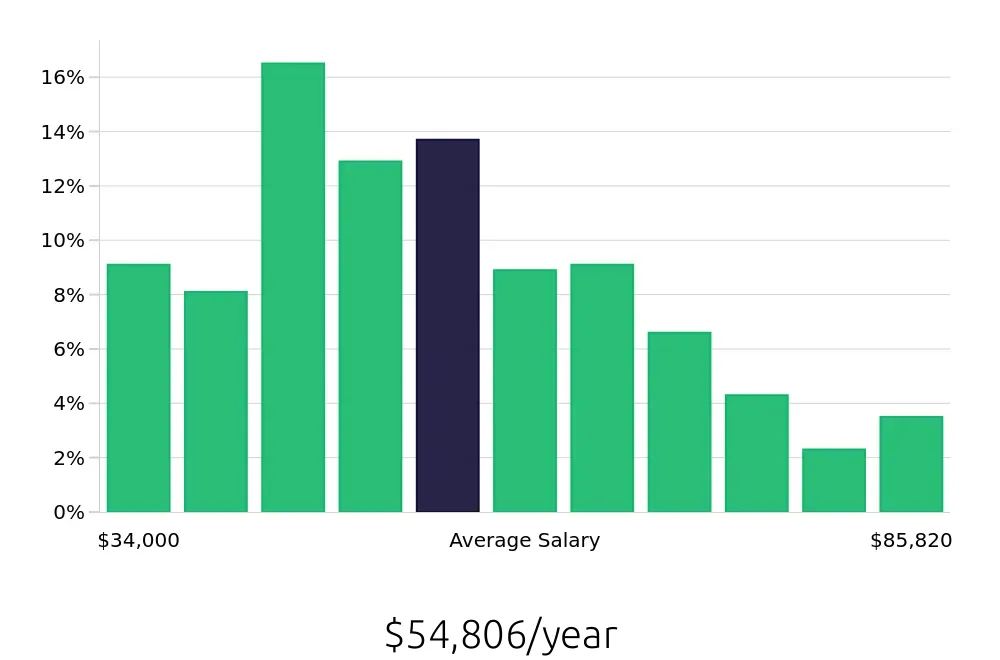
The average national annual compensation for Veterans Advisers stands at $62,880, indicating a competitive salary that reflects the value of the work. Combined with an average national hourly compensation of $30.23, this profession offers financial stability and the chance to make a positive impact on the lives of veterans. Job seekers looking to enter this field can expect rewarding career opportunities with the potential for growth and advancement.
For job seekers, the positive job outlook and competitive salary of Veterans Advisers present a strong incentive to pursue this career. With the BLS projecting a healthy increase in job openings over the next decade, now is an excellent time to consider a role that supports veterans in their post-service life. This career not only offers a stable income but also the satisfaction of assisting those who have served their country.
Currently 50 Veterans Adviser job openings, nationwide.
Continue to Salaries for Veterans Adviser