What does a Vinyl Installer do?
A Vinyl Installer is responsible for installing vinyl flooring in residential and commercial settings. This role involves measuring spaces, cutting vinyl to size, and ensuring a perfect fit. The installer works with a variety of tools to secure the vinyl to the subfloor. They pay attention to detail to ensure that seams and edges look seamless. Quality and durability are key aspects of their work.
The Vinyl Installer often collaborates with contractors and other tradespeople. They need to understand different types of subfloors and the best methods to install vinyl in various conditions. Communication skills are essential as they need to explain the installation process to clients and answer any questions. Attention to safety is also important to avoid injuries during installation.
How to become a Vinyl Installer?
Becoming a vinyl installer involves learning a variety of skills and gaining experience in the field. This career can be rewarding and offers opportunities for growth. Follow these steps to start your journey as a professional vinyl installer.
First, research the requirements and responsibilities of a vinyl installer. Understand what the job entails and the skills needed. This includes knowledge of different types of vinyl materials and how to install them. Knowing what to expect helps in preparing for the career.
- Learn the Basics: Study vinyl installation techniques. This can be done through online courses, workshops, or by working with experienced installers.
- Get Certified: Obtain necessary certifications. This often includes safety training and specific vinyl installation courses. Certifications can make a candidate more attractive to employers.
- Gain Experience: Start with an apprenticeship or entry-level position. Work under the supervision of experienced installers to learn hands-on skills.
- Build a Portfolio: Create a portfolio showcasing completed projects. Include photos and descriptions of your work. This helps in demonstrating skills to potential employers.
- Network and Apply: Connect with professionals in the industry. Attend trade shows and join professional organizations. Apply for jobs and continue to improve skills.
How long does it take to become a Vinyl Installer?
Interested in a career as a vinyl installer? This trade offers a solid path to a rewarding job. Many find the process both engaging and fulfilling. To embark on this career, one needs to undergo specific training and gain hands-on experience. This combination of learning and working together creates a pathway to becoming a skilled professional.
The timeline to become a vinyl installer varies. On average, it takes about one to two years. This includes formal training and practical experience. Training programs, often offered at trade schools or community colleges, span around six months to one year. These programs cover the basics of flooring installation, tools use, and safety practices. After completing the training, individuals often need to spend time working under an experienced vinyl installer. This on-the-job training lasts about six months to a year. During this period, new installers learn to handle real-world challenges and perfect their skills.
Vinyl Installer Job Description Sample
We are seeking a skilled Vinyl Installer to join our team. The ideal candidate will have experience in installing vinyl flooring, possess strong attention to detail, and be able to work efficiently and effectively within a team. The Vinyl Installer will be responsible for installing vinyl flooring in residential and commercial settings.
Responsibilities:
- Install vinyl flooring in residential and commercial settings.
- Measure and cut vinyl flooring to fit specific areas.
- Prepare surfaces for vinyl installation, including removing old flooring and ensuring surfaces are clean and level.
- Adhere vinyl flooring to subfloor using appropriate adhesives and tools.
- Inspect completed installations for quality and ensure they meet company standards.
Qualifications
- High school diploma or equivalent required; additional education in construction or related field preferred.
- Proven experience as a Vinyl Installer or similar role.
- Strong knowledge of vinyl flooring installation techniques and best practices.
- Excellent attention to detail and ability to follow precise measurements and instructions.
- Physical stamina and ability to work in various environments, including cramped and elevated spaces.
Is becoming a Vinyl Installer a good career path?
Installing vinyl products can lead to a rewarding career. Vinyl installers work on various surfaces, adding value to homes and businesses. This job involves installing vinyl siding, flooring, and wallpaper. Skilled installers need a steady hand and attention to detail. This career offers a mix of working outdoors and indoors, depending on the project.
Installing vinyl presents both opportunities and challenges. Let’s look at some pros and cons to consider.
First, the pros:
- Vinyl is durable and easy to maintain.
- Installers have many job opportunities, from residential to commercial projects.
- The work can be rewarding, seeing the finished product and knowing it adds value.
- Most installers work full-time, with opportunities for overtime and bonuses.
Now, the cons:
- The job can be physically demanding, requiring standing and lifting for long hours.
- Weather can affect outdoor projects, potentially delaying work.
- Vinyl installation requires specific tools and materials, which can be costly.
- There’s a risk of injury from tools and working at heights.
In summary, a career as a vinyl installer can offer stability and satisfaction. Weighing the pros and cons can help decide if this path is right for someone.
What is the job outlook for a Vinyl Installer?
The job outlook for Vinyl Installers is promising for those entering this field. According to the Bureau of Labor Statistics (BLS), there are about 9,800 job positions available each year. This number has been steady, showing a growth of 2.9% from 2022 to 2032. This steady growth suggests a stable job market for individuals who choose this career path.
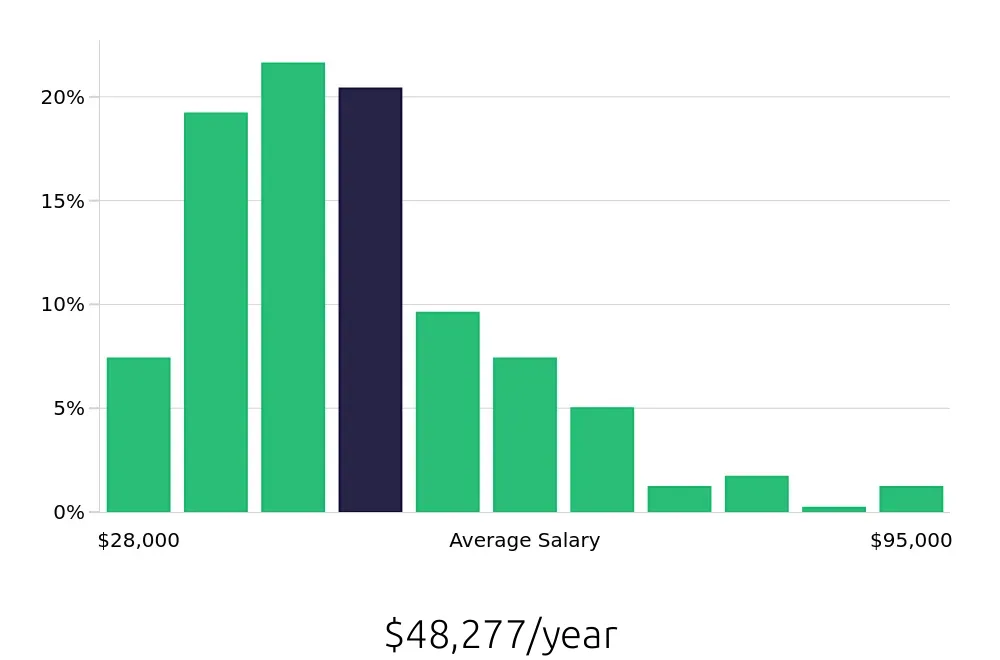
People looking to become a Vinyl Installer can expect to earn a competitive salary. The average national annual compensation for this job is $54,190, according to the BLS. This figure reflects a solid income potential, making it an attractive option for those skilled in this trade. With the right training and experience, job seekers can aim for a rewarding career in this specialty.
In addition to a good salary, Vinyl Installers earn an average national hourly compensation of $26.05, as reported by the BLS. This hourly rate highlights the value of specialized skills in this field. For those seeking a stable, well-paying job, becoming a Vinyl Installer offers both opportunities for growth and financial security.
Currently 47 Vinyl Installer job openings, nationwide.
Continue to Salaries for Vinyl Installer