What does a Visual Manager do?
A Visual Manager oversees the visual aspects of projects, ensuring they look professional and appealing. This role focuses on design and presentation. The Visual Manager works closely with the creative team to develop visuals for marketing materials, websites, and product packaging. They make sure all visuals align with the brand's identity. The Visual Manager coordinates with designers, photographers, and other creative professionals to produce high-quality visuals on time and within budget.
The Visual Manager plays a key role in enhancing the brand's image. They ensure all visual content is consistent and of high quality. This person manages projects from concept to completion. They also keep up with the latest design trends and technologies. A Visual Manager must have strong communication skills and attention to detail. This role is vital for making sure all visual content effectively communicates the brand's message.
How to become a Visual Manager?
Becoming a Visual Manager can lead to a fulfilling career in a creative and dynamic field. This role involves overseeing the visual aspects of a company's brand and marketing materials. Professionals in this position ensure that all visual content aligns with the brand's identity and effectively communicates its message to the target audience. To embark on this career path, one must follow a structured process.
Starting the journey to become a Visual Manager involves several key steps. First, gaining a strong educational foundation is crucial. Most roles require at least a bachelor's degree in fields such as graphic design, marketing, or communications. This education provides the necessary skills and knowledge to understand the principles of visual communication. Next, building a portfolio of work is essential. This collection should showcase a variety of projects that demonstrate a candidate's design abilities and creativity. Experience is also vital. Working in internships or entry-level positions in design or marketing can provide practical knowledge and insights into the industry. Developing a strong network within the industry is beneficial. Attending workshops, joining professional organizations, and connecting with other professionals can open up opportunities and provide valuable mentorship. Finally, staying current with industry trends and tools is necessary. This includes learning new software and design techniques to maintain a competitive edge in the job market.
To summarize, the path to becoming a Visual Manager involves:
- Earning a relevant degree.
- Creating a strong portfolio.
- Gaining practical experience.
- Building a professional network.
- Staying updated with industry trends.
How long does it take to become a Visual Manager?
Visual management is a growing field that merges art and business. A visual manager crafts visual strategies to enhance productivity and team efficiency. The path to this role involves education, training, and hands-on experience. Many choose a bachelor’s degree in visual communications or a related field, which typically takes four years. Some visual managers gain entry-level positions and learn on the job.
After earning a degree or gaining experience, a visual manager may spend several years in various roles. This period allows for building a diverse skill set. Common positions include graphic designer, visual merchandiser, and marketing specialist. Working in these roles provides valuable insights into visual strategies. Many visual managers also take courses or earn certifications in areas like project management or digital marketing. This training can take a few months to a couple of years.
Visual Manager Job Description Sample
The Visual Manager is responsible for overseeing the visual aspects of a company's products and marketing materials. This role involves collaborating with cross-functional teams to ensure that all visual content aligns with the brand identity and marketing strategy. The Visual Manager must have a keen eye for design and a deep understanding of visual communication principles.
Responsibilities:
- Develop and implement visual guidelines and standards for the company's products and marketing materials.
- Collaborate with design, marketing, and product teams to create visually compelling content.
- Ensure that all visual content is consistent with the brand identity and marketing strategy.
- Manage and maintain a library of visual assets, including logos, images, and templates.
- Provide guidance and support to internal teams on visual design best practices.
Qualifications
- Bachelor's degree in Graphic Design, Visual Communication, or a related field.
- 5+ years of experience in a visual management or design role.
- Proven experience in creating and managing visual assets for marketing and product applications.
- Strong portfolio showcasing a variety of visual design projects.
- Excellent communication and collaboration skills.
Is becoming a Visual Manager a good career path?
Working as a Visual Manager involves overseeing the visual aspects of a brand or product. This includes designing logos, product packaging, and advertisements. Visual Managers ensure that all visuals align with the brand's identity and appeal to the target audience. They work closely with marketing teams and sometimes need to manage budgets.
This role offers creativity and the chance to influence how a brand is perceived. Visual Managers often enjoy flexible working hours and can work remotely. However, this job can be stressful, especially when meeting tight deadlines. It also requires staying up-to-date with the latest design trends and tools.
- Pros:
- Creativity in designing brand visuals.
- Flexible working hours and remote work options.
- Opportunity to influence brand perception.
- Cons:
- High-stress levels during deadlines.
- Need to keep up with the latest design trends.
- Frequent collaboration with marketing teams.
What is the job outlook for a Visual Manager?
Visual Managers play a key role in creating and maintaining the visual aspects of various media. With a steady demand for their services, this career offers promising job outlooks. According to the Bureau of Labor Statistics (BLS), there are about 67,100 job positions available each year. This shows that new opportunities are constantly arising. The job outlook also indicates a positive trend, with a 1.6% increase expected from 2022 to 2032. This steady growth suggests that Visual Managers will remain in demand, offering stability and growth potential.
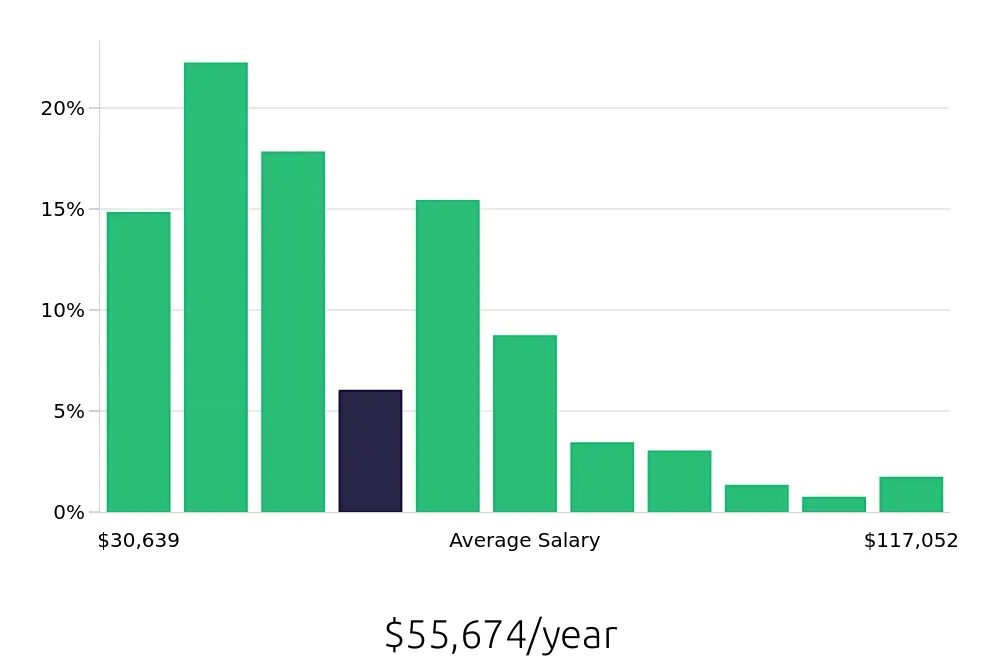
Visual Managers can expect competitive compensation for their skills. On average, professionals in this field earn about $57,320 per year, according to the BLS. Hourly compensation stands at approximately $27.56, reflecting the value of their expertise in creating impactful visual content. These figures highlight the financial rewards that can come with a career in visual management. For those entering the field, these statistics offer a clear picture of what to expect in terms of both job availability and earnings. This makes it a compelling career path for many job seekers.
Overall, the career path for Visual Managers looks promising with consistent job openings and competitive salaries. The BLS data underscores the stability and growth in this field. Job seekers can take confidence in the positive job outlook and attractive compensation. With these factors in play, a career as a Visual Manager offers both opportunities and rewards for those who are skilled and dedicated to their craft.
Currently 31 Visual Manager job openings, nationwide.
Continue to Salaries for Visual Manager