What does a Wax Specialist do?
A Wax Specialist applies, removes, and manages hair removal waxes for clients. This professional uses wax strips and other tools to ensure a smooth and pain-free experience. Wax Specialists work in salons, spas, and other beauty-related businesses. They create a comfortable environment for clients seeking hair removal services.
Duties of a Wax Specialist include preparing the wax, cleaning the treatment area, and applying the wax correctly. They must remove the wax carefully to prevent skin irritation. Wax Specialists also educate clients on how to care for their skin after treatment. This role requires attention to detail and the ability to work with a variety of clients. They ensure each person leaves with satisfaction and smooth skin. The Wax Specialist helps maintain the quality and reputation of the beauty salon or spa.
How to become a Wax Specialist?
Becoming a Wax Specialist is an excellent career choice for those looking to enter the beauty and wellness industry. This role involves providing various waxing services to clients, from eyebrows to full-body treatments. The path to becoming a Wax Specialist is straightforward and accessible with the right guidance.
Interested individuals can follow these steps to start their journey. First, learn the basics of waxing. This includes understanding different waxing techniques and the types of wax available. Second, complete a professional training program. Many beauty schools and training centers offer courses in waxing. Third, gain practical experience by working under an experienced Wax Specialist. This hands-on practice is essential for mastering the craft. Fourth, obtain certification if required in your area. Some regions need specialists to pass a test or complete specific training. Lastly, stay updated with the latest trends and techniques. Continuing education ensures clients receive the best service.
Following these steps can help anyone become a skilled Wax Specialist. Success in this field requires dedication and a passion for helping clients look and feel their best.
- Learn the basics of waxing.
- Complete a professional training program.
- Gain practical experience.
- Obtain certification.
- Stay updated with the latest trends.
How long does it take to become a Wax Specialist?
Interest in becoming a Wax Specialist has grown among professionals seeking a rewarding career in beauty and personal care. This role involves applying and removing hair removal wax. It requires a mix of training, skill, and customer service. Many can start working in this field with relatively short training, making it an accessible career choice.
A typical path to becoming a Wax Specialist includes a few key steps. First, one may complete a course in esthetics or a specialized waxing course. These courses often last from a few weeks to a few months. They cover topics like skin care, waxing techniques, and safety protocols. Some beauty schools offer certificate programs that can take about six months to complete. After completing a course, individuals often gain practical experience through internships or entry-level positions in salons or spas. With time, they can refine their skills and build a client base.
On average, someone can start working as a Wax Specialist within a few months to a year. The exact timeline depends on several factors. These include the length of the training program, the availability of job opportunities, and the individual's dedication to gaining experience. Continuing education and obtaining additional certifications can further enhance career prospects and open up more advanced positions in the future.
Wax Specialist Job Description Sample
The Wax Specialist is responsible for providing a range of waxing services to clients, ensuring a high level of customer satisfaction and safety. This role requires a keen eye for detail, excellent communication skills, and a commitment to maintaining a clean and welcoming salon environment.
Responsibilities:
- Perform various waxing services including strip, hot, and sugaring waxes.
- Consult with clients to determine their waxing needs and preferences.
- Maintain and sterilize waxing tools and equipment according to salon standards.
- Keep detailed records of services provided and client preferences.
- Provide aftercare advice and instructions to clients to ensure optimal results.
Qualifications
- Certification from an accredited cosmetology school or equivalent experience.
- Proven experience as a Wax Specialist or similar role.
- Strong knowledge of different waxing techniques and products.
- Excellent communication and customer service skills.
- Ability to maintain a clean and organized work environment.
Is becoming a Wax Specialist a good career path?
A career as a Wax Specialist offers a blend of artistry and service. This role involves applying wax to clients’ skin to remove unwanted hair. The Wax Specialist uses various techniques to ensure the process is as comfortable and efficient as possible. This career suits individuals who enjoy helping others achieve their desired look.
Working as a Wax Specialist has its advantages and challenges. Consider the following pros and cons to understand what this career entails.
- Pros:
- Variety of work environments: Wax Specialists can work in salons, spas, or even offer mobile services.
- Opportunity for creativity: Styling brows and creating smooth skin requires attention to detail and a keen eye for aesthetics.
- Direct interaction with clients: Building relationships with clients can be fulfilling and rewarding.
- Cons:
- Physical demands: Standing for long periods and repetitive motions can strain the body.
- Potential for skin irritation: Clients may experience redness or irritation after waxing.
- Need for ongoing training: Staying current with trends and techniques requires continuous learning.
What is the job outlook for a Wax Specialist?
The job outlook for Wax Specialists is promising, with an average of 89,400 positions available annually. The Bureau of Labor Statistics (BLS) projects a 7.6% increase in job openings from 2022 to 2032. This growth indicates a steady demand for Wax Specialists across various industries. Job seekers can expect more opportunities in this field, making it an attractive choice for those looking to start or advance their career.
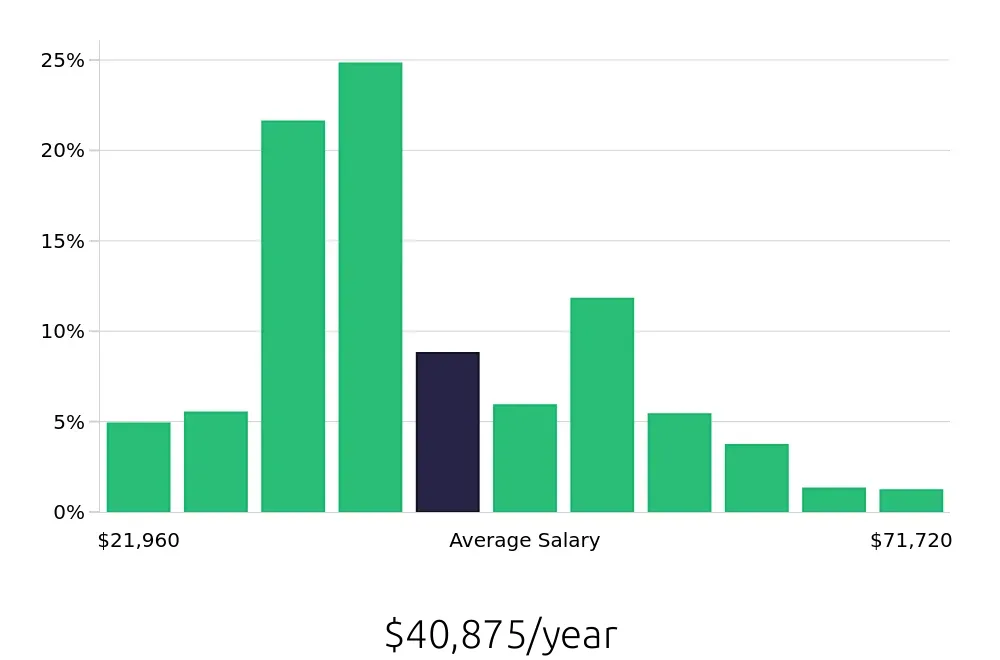
Wax Specialists earn a competitive salary, with an average national annual compensation of $41,770, according to the BLS. This figure highlights the financial stability that comes with this career path. Hourly compensation stands at $20.08, reflecting the value of the skills and expertise required for the job. With these figures, Wax Specialists can anticipate not only job security but also a rewarding income.
For job seekers, the combination of a growing job market and a solid compensation package makes the Wax Specialist role an excellent career option. The positive job outlook and competitive pay highlight the benefits of pursuing this profession. With ongoing demand and favorable earnings, Wax Specialists are well-positioned to achieve professional success.
Currently 313 Wax Specialist job openings, nationwide.
Continue to Salaries for Wax Specialist