What does a Wellness Director do?
A Wellness Director plays a vital role in promoting and managing health and wellness programs in various settings. This professional ensures that employees or members have access to services that enhance their physical, mental, and emotional well-being. The Wellness Director designs and implements wellness initiatives, coordinates health screenings, and provides educational resources on topics such as nutrition, exercise, and stress management.
This role requires strong leadership and communication skills. The Wellness Director collaborates with healthcare providers, fitness trainers, and nutritionists to create a comprehensive wellness plan. They assess the needs of the community and tailor programs to meet those needs effectively. The goal is to improve the overall health of the group and reduce healthcare costs through preventive care. By fostering a culture of wellness, the Wellness Director helps individuals lead healthier, more productive lives.
How to become a Wellness Director?
Becoming a Wellness Director requires a mix of education, experience, and the right certifications. This rewarding career involves creating and managing wellness programs for individuals or organizations. Follow these key steps to start your journey as a Wellness Director.
First, obtain a relevant degree. A Bachelor's degree in Health Education, Public Health, or a related field is often required. Courses in health promotion, nutrition, exercise science, and psychology can be beneficial. Second, gain experience in the wellness field. Work in roles such as a fitness instructor, health coach, or wellness coordinator to build your skills and network.
- Obtain a relevant degree.
- Gain experience in the wellness field.
- Get certified as a Wellness Coach.
- Network with professionals in the wellness industry.
- Apply for Wellness Director positions.
Third, consider getting certified as a Wellness Coach. Certifications from recognized organizations, such as the National Wellness Institute, can boost your credentials. Fourth, network with professionals in the wellness industry. Join associations, attend conferences, and connect with peers on LinkedIn to expand your professional circle. Finally, start applying for Wellness Director positions. Tailor your resume and cover letter to highlight your education, experience, and certifications. Look for opportunities in healthcare facilities, corporate wellness programs, and community organizations.
How long does it take to become a Wellness Director?
Pursuing a career as a Wellness Director involves a mix of education, experience, and certifications. This journey usually starts with a bachelor's degree in a field related to health, wellness, or recreation management. Most programs take about four years to complete.
After earning a degree, gaining experience becomes crucial. This often means working in related roles, such as fitness instructor, recreational therapist, or health coach. Many Wellness Directors spend between two to five years in these positions to build their skills and knowledge. Some may also choose to pursue additional certifications to stand out in the job market. These certifications can take anywhere from a few weeks to several months to obtain, depending on the program. In total, it typically takes about six to ten years to become a fully qualified Wellness Director.
The path to this role involves dedication and continuous learning. It offers a rewarding opportunity to make a difference in people's lives by promoting health and wellness.
Wellness Director Job Description Sample
The Wellness Director will oversee the development, implementation, and maintenance of wellness programs aimed at enhancing the physical, emotional, and social well-being of participants. This role requires a strategic thinker with a passion for promoting healthy lifestyles and fostering a supportive community environment.
Responsibilities:
- Develop and implement comprehensive wellness programs and initiatives that promote physical, emotional, and social health.
- Collaborate with healthcare professionals, fitness trainers, nutritionists, and other experts to ensure the programs are effective and well-rounded.
- Conduct wellness assessments and workshops to educate and engage participants.
- Monitor and evaluate the effectiveness of wellness programs and make necessary adjustments based on feedback and outcomes.
- Manage wellness-related events, such as health fairs, fitness challenges, and wellness workshops.
Qualifications
- Bachelor’s degree in Health Education, Public Health, Wellness Management, or a related field.
- Minimum of 5 years of experience in a wellness or health-related role, preferably in a leadership position.
- Strong understanding of wellness principles and best practices.
- Excellent communication and interpersonal skills, with the ability to motivate and engage diverse groups.
- Experience in program development, implementation, and evaluation.
Is becoming a Wellness Director a good career path?
A Wellness Director plays a crucial role in promoting health and well-being in various settings, including spas, wellness centers, and corporate environments. This career path requires a blend of leadership, healthcare knowledge, and business acumen. The role involves planning and implementing wellness programs, managing staff, and ensuring clients receive the best care possible. The job offers a chance to make a meaningful impact on people's lives.
Being a Wellness Director has its advantages and challenges. Consider these factors if this career interests you. Here are some pros and cons to help you decide.
Some of the benefits of becoming a Wellness Director include:
- Helping others: Improve the well-being of many people by creating health programs.
- Varied work: Engage in different activities each day, from planning programs to managing staff.
- Job growth: Wellness is a growing field with increasing demand for professionals.
- Opportunities: Work in various settings like spas, gyms, and corporate wellness programs.
However, there are also some challenges to consider:
- High responsibility: Oversee many programs and ensure everything runs smoothly.
- Stressful: Meet tight deadlines and manage multiple tasks at once.
- Long hours: Often work beyond regular hours, including weekends.
- Continuous learning: Stay updated on the latest wellness trends and healthcare practices.
What is the job outlook for a Wellness Director?
The job outlook for Wellness Directors is promising for those seeking roles in health and wellness. The Bureau of Labor Statistics (BLS) reports that there are about 4,500 job positions available each year. This figure underscores a stable demand for professionals in this field. With a consistent number of positions opening annually, candidates can find numerous opportunities to explore.
Looking ahead, the BLS projects a 3.0% increase in job openings for Wellness Directors from 2022 to 2032. This growth reflects growing awareness of the importance of wellness in both workplace and community settings. As more organizations prioritize employee well-being, the need for skilled Wellness Directors is expected to rise. This trend opens up potential for career advancement and job security.
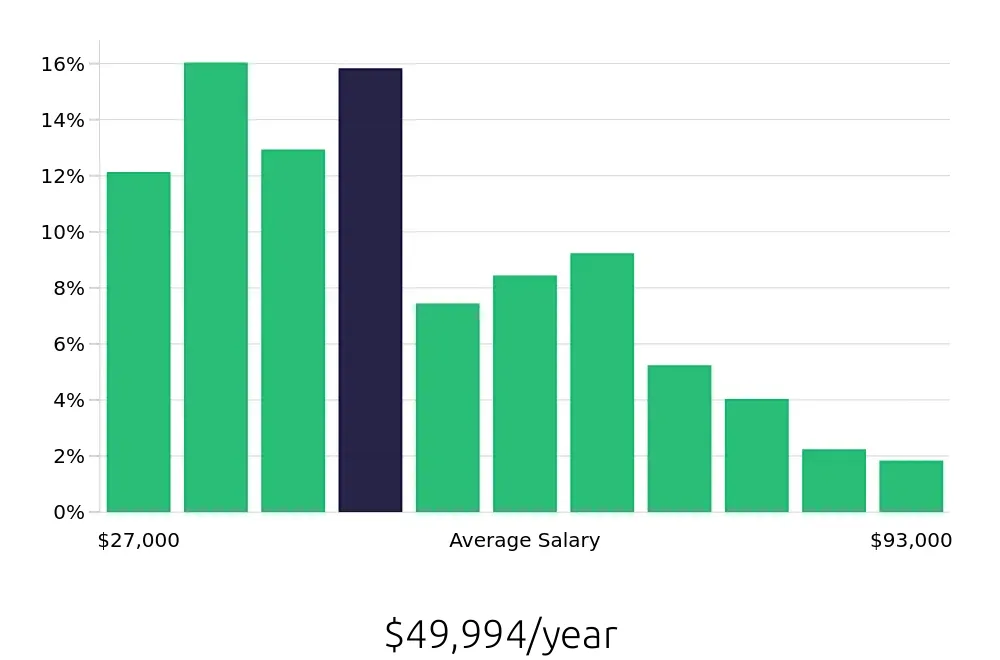
Wellness Directors also benefit from competitive compensation. According to the BLS, the average national annual salary is $75,190. This figure highlights the financial rewards of a career in wellness management. Additionally, the average hourly wage stands at $36.15, offering a glimpse into the immediate earnings potential of this role. These figures make the position attractive for job seekers who value both professional growth and financial stability.
Currently 311 Wellness Director job openings, nationwide.
Continue to Salaries for Wellness Director