What does a Yard Pilot do?
A Yard Pilot plays a key role in the smooth operation of rail yards. They guide trains into their designated tracks. This position ensures that trains arrive and depart on time. This helps to keep the rail system running efficiently.
The Yard Pilot communicates with the train crew and dispatchers. They use radios and other equipment to relay important information. This helps to avoid accidents and delays. The Yard Pilot constantly monitors the yard's layout and conditions. They must be alert and focused at all times. This job requires strong communication skills and attention to detail. It also demands a good understanding of rail operations.
How to become a Yard Pilot?
Becoming a Yard Pilot can be an exciting career move. This job involves guiding ships and boats in and out of ports, harbors, and shipyards. It is a highly skilled role that requires training and experience. This section outlines the steps to become a Yard Pilot.
First, gaining relevant experience is crucial. Aspiring Yard Pilots often start with jobs in the maritime industry. Positions such as ship deckhand, mate, or engineer can provide valuable skills and experience. Working in these roles helps individuals understand maritime operations and safety procedures.
- Get the necessary education: A high school diploma or GED is the minimum requirement. Most employers prefer candidates with additional training in maritime studies.
- Gain experience: Work in maritime roles to build skills and knowledge. Experience in deck operations, ship handling, and navigation is essential.
- Obtain a pilot license: Apply for a pilotage license. This involves passing a written exam and a practical test.
- Complete pilot training: Enroll in a pilot training program. These programs focus on the specific skills needed for pilotage.
- Gain on-the-job experience: Work under experienced Yard Pilots. This hands-on experience is vital for mastering the job.
Each step is important for preparing to become a Yard Pilot. With dedication and the right training, individuals can succeed in this challenging and rewarding career.
How long does it take to become a Yard Pilot?
Working as a Yard Pilot involves guiding ships in and out of harbors, docking and undocking vessels, and ensuring safe navigation. To start this role, one typically needs a valid Merchant Mariner's Document (MMD) from the U.S. Coast Guard. This credential usually takes about one to two years to obtain.
The process begins with completing a training program recognized by the Coast Guard. These programs can be found at maritime academies or specialized training centers. Most programs last between one to two years, combining classroom learning and on-the-job training. Participants learn about navigation, vessel operations, and safety protocols. After completing the program, individuals take the required exams to earn their MMD.
Experience plays a key role in becoming a Yard Pilot. Fresh graduates often start as deckhands or mates on vessels. Gaining several years of experience helps in mastering the necessary skills. Aspiring Yard Pilots may also pursue additional certifications, which can further enhance their qualifications and job prospects.
Yard Pilot Job Description Sample
The Yard Pilot is responsible for the safe and efficient movement of railcars within a rail yard. This role requires excellent communication skills, attention to detail, and the ability to operate various types of rail yard equipment. The Yard Pilot ensures that all rail operations are conducted safely and in compliance with all relevant regulations and company policies.
Responsibilities:
- Operate and control yard switcher locomotives and rail yard equipment.
- Coordinate the movement of railcars and freight cars within the yard.
- Communicate with train crews, dispatchers, and other yard personnel to ensure smooth operations.
- Inspect railcars and equipment for safety and maintenance issues.
- Prepare and maintain accurate records of rail operations and maintenance activities.
Qualifications
- High school diploma or equivalent required; additional education or training in rail operations preferred.
- Valid railroad operating license or ability to obtain one.
- Minimum of 2 years of experience in rail yard operations or a related field.
- Strong knowledge of rail yard equipment, operations, and safety regulations.
- Excellent communication and interpersonal skills.
Is becoming a Yard Pilot a good career path?
A career as a Yard Pilot involves guiding ships and vessels in and out of docks and ports. This role requires keen attention to detail and strong communication skills. It plays a critical part in the safe and efficient movement of maritime vessels. Understanding this career path can help professionals decide if it aligns with their skills and interests.
The role of a Yard Pilot includes overseeing the movements of ships and barges in confined waters. They use specialized equipment and knowledge of local waters to ensure safe navigation. The job often takes place in high-pressure situations, requiring quick decision-making. Yard Pilots work in teams, coordinating with ship captains and other crew members to ensure smooth operations.
Choosing this career offers several advantages. It provides job stability in a vital industry. Yard Pilots are essential for the safe movement of goods and cargo. The role also allows for the development of strong problem-solving skills. However, there are also challenges to consider.
- Pros:
- Job stability in a crucial maritime industry.
- Opportunities to develop strong problem-solving skills.
- Variety of work environments, from large ports to smaller docks.
- Cons:
- Potential for long and irregular hours, including nights and weekends.
- Exposure to challenging weather conditions.
- High-pressure situations that require quick decision-making.
Overall, a career as a Yard Pilot offers unique challenges and rewards. It requires a combination of technical skills, physical stamina, and the ability to work well under pressure. This role is ideal for those who enjoy working in an outdoor environment and being part of a critical maritime operation.
What is the job outlook for a Yard Pilot?
Becoming a Yard Pilot offers promising opportunities in the job market. The Bureau of Labor Statistics (BLS) reports an average of 2,800 job positions each year. Job seekers can expect to see steady demand in this field, which bodes well for those entering the profession. A projected job openings percent change from 2022 to 2032 of 1.1% further indicates stable employment prospects. This steady demand ensures job security and opportunities for career advancement.
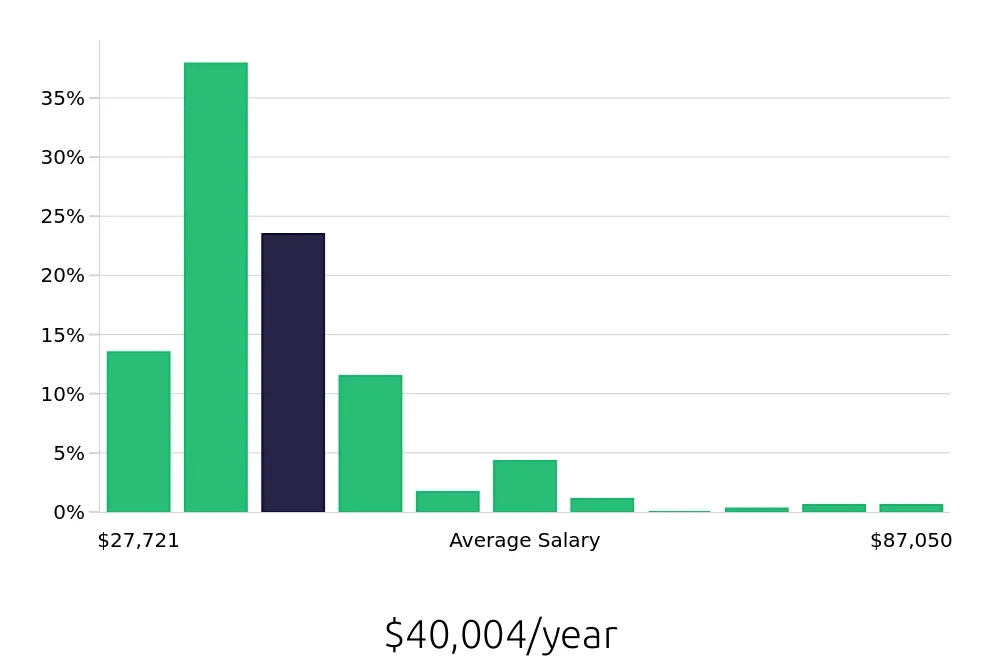
Yard Pilot positions also offer attractive compensation. The BLS reports an average national annual salary of $72,220. This figure represents the earnings potential for those pursuing this career path. Additionally, the average national hourly wage stands at $34.72, reflecting the value placed on this profession. These figures highlight the financial benefits and stability associated with a career as a Yard Pilot.
Job seekers can look forward to entering a field with both stability and financial rewards. The BLS data shows a consistent job market and good compensation, making Yard Pilot an attractive choice for professional growth. Aspiring Yard Pilots can expect a rewarding career with ample opportunities for the future.
Currently 102 Yard Pilot job openings, nationwide.
Continue to Salaries for Yard Pilot