What does a Youth Director do?
A Youth Director oversees programs and activities for young individuals in various settings, such as schools, community centers, and non-profit organizations. This role requires a blend of leadership, organization, and a passion for youth development. A Youth Director plans and implements programs that engage and educate youth on diverse topics. These can include leadership training, arts and crafts, sports, and educational workshops. They work to create a safe and inclusive environment where young people can learn and grow.
Key responsibilities for a Youth Director involve coordinating events, managing budgets, and collaborating with other staff and volunteers. This position also entails assessing the needs of the youth community and developing strategies to meet those needs. Strong communication skills are essential, as the Youth Director interacts with youth, parents, and other stakeholders. The goal is to empower young individuals, helping them develop skills and confidence for their future.
How to become a Youth Director?
Becoming a Youth Director involves specific steps and qualifications. It starts with gaining relevant experience and education. This career path requires dedication and a passion for working with young people. The journey can be rewarding and impactful.
To become a Youth Director, one should focus on these key steps:
- Obtain a degree in education, social work, or a related field. Many organizations prefer candidates with a formal education in these areas.
- Gain experience working with youth. Volunteering or working in youth programs can provide valuable insights and practical skills.
- Develop strong communication and leadership skills. These are essential for managing programs and connecting with young people.
- Network with professionals in the field. Attend workshops, conferences, and community events to build connections.
- Apply for Youth Director positions. Tailor the resume to highlight relevant skills and experiences.
How long does it take to become a Youth Director?
The path to becoming a Youth Director offers a rewarding career, combining leadership with a passion for youth. Typically, the time it takes can vary. Many find themselves stepping into roles with a relevant degree, often in fields like education or social work. This academic journey usually lasts around four years.
After earning a degree, gaining practical experience helps. Youth Directors often start in entry-level positions, such as youth program coordinators or camp counselors. These roles provide valuable experience and insights into working with young people. This hands-on experience can last from one to three years. Some may also choose to pursue a master's degree, adding another one to two years to the timeline. Overall, the journey to a Youth Director position takes about six to eight years.
Youth Director Job Description Sample
The Youth Director is responsible for overseeing and managing youth programs, providing leadership and direction to staff, and ensuring the successful implementation of programs that promote the growth and development of young individuals within the community.
Responsibilities:
- Develop, implement, and oversee programs and activities for youth in the community.
- Provide leadership and direction to staff and volunteers involved in youth programs.
- Collaborate with other organizations, community leaders, and stakeholders to enhance youth programs and services.
- Recruit, train, and supervise staff and volunteers to ensure effective program delivery.
- Develop and manage the program budget, ensuring efficient use of resources.
Qualifications
- Bachelor's degree in Social Work, Youth Development, Education, or a related field. Master's degree preferred.
- Minimum of 3-5 years of experience in youth program management or a related field.
- Strong leadership and team management skills.
- Excellent communication and interpersonal skills.
- Ability to develop and manage budgets and financial reports.
Is becoming a Youth Director a good career path?
Working as a Youth Director offers a unique blend of challenges and rewards. This role focuses on guiding and nurturing young people in community programs, schools, or religious organizations. The Youth Director plans activities, teaches valuable life skills, and provides mentorship. This position requires strong organizational skills and the ability to connect with youth on a personal level.
Choosing a career as a Youth Director has many benefits. It allows for the creation of positive change in the lives of young people. Directors often see the direct impact of their work through the growth and success of the youth they support. The role also provides opportunities for professional development and the chance to work with a diverse group of individuals. However, it is not without its challenges. The job can be demanding, requiring long hours and a high level of commitment. Emotional stress can come from dealing with difficult situations that youth face. Balancing work and personal life can be tough, making it important to manage time well.
Consider these pros and cons before pursuing a career as a Youth Director:
- Pros:
- Opportunity to make a real difference in young lives.
- Chance to develop leadership and teaching skills.
- Rewarding to see youth succeed and grow.
- Variety of work environments to choose from.
- Cons:
- Long hours and high demands on time.
- Emotional stress from dealing with youth issues.
- Need for strong organizational and people skills.
- Balancing work and personal life can be challenging.
What is the job outlook for a Youth Director?
Job seekers interested in becoming a Youth Director can find a stable employment outlook. On average, 16,300 new positions open each year, as reported by the Bureau of Labor Statistics (BLS). Although the projected change in job openings from 2022 to 2032 is slight at -0.2%, the role continues to be in demand. This slight decrease does not indicate a decline in opportunities but rather reflects a stable market.
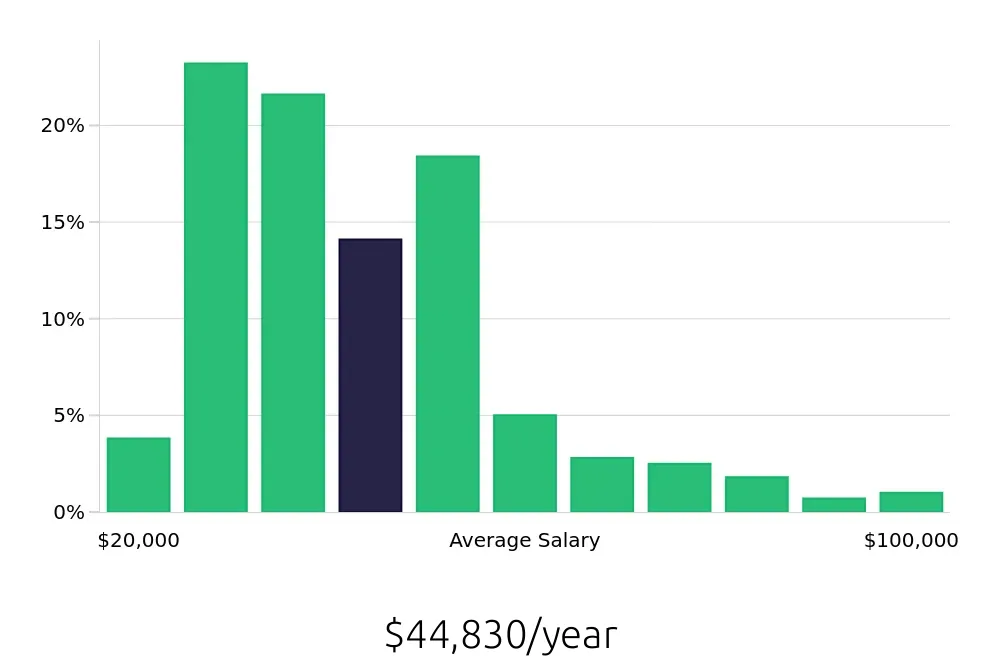
The position offers a strong average annual salary of $61,740, according to the BLS. This compensation reflects the important work that Youth Directors perform in shaping the lives of young individuals. Hourly compensation stands at $29.68, offering a rewarding financial return for professionals in this field. This compensation level demonstrates the value and importance of the role within the community.
Aspiring Youth Directors should note that the job outlook remains positive despite the slight percent change. This role provides a blend of stability, good compensation, and the chance to make a significant impact on the youth. Job seekers looking to enter this field can expect a steady job market with opportunities to advance and grow in their careers.
Currently 205 Youth Director job openings, nationwide.
Continue to Salaries for Youth Director