What does a Youth Teacher do?
A Youth Teacher shapes the minds and futures of young learners. They create a supportive and engaging classroom environment where students can thrive. The teacher plans lessons, delivers instruction, and assesses student progress. They use a variety of teaching methods to cater to different learning styles. Communication with parents and guardians is key to understanding each student's needs. Youth Teachers must also stay updated with educational trends and best practices.
In addition to teaching, a Youth Teacher mentors students and helps them develop important life skills. They organize extracurricular activities to enrich the learning experience. The teacher also collaborates with other educators to improve curriculum and student outcomes. Patience, creativity, and strong interpersonal skills are essential for this role. This position offers the opportunity to make a meaningful impact on young lives.
How to become a Youth Teacher?
Aspiring to become a youth teacher involves several steps that combine education, training, and practical experience. This career path requires dedication and a passion for working with young people. Following these steps will guide someone towards a rewarding role as a youth teacher.
The journey begins with obtaining the necessary education. First, earn a bachelor's degree in education or a related field. This provides the foundational knowledge needed to understand teaching methods and child psychology. Next, complete a student teaching internship. This experience allows future teachers to practice their skills in a real classroom setting. After completing the degree, obtain a teaching certificate. This certification is often required and varies by state. Stay updated with the latest teaching trends and methods through continuous professional development. Finally, gain experience by working in various educational settings, such as schools or community programs. This experience enhances teaching skills and builds a professional network.
To become a youth teacher, follow these key steps:
- Earn a bachelor's degree in education or a related field.
- Complete a student teaching internship for practical experience.
- Obtain a teaching certificate as required by your state.
- Engage in continuous professional development to stay current.
- Gain experience by working in different educational environments.
How long does it take to become a Youth Teacher?
Pursuing a career as a youth teacher offers a rewarding path. It provides the opportunity to shape young minds. This role requires dedication and the right qualifications. The journey to becoming a youth teacher involves several steps. The time it takes can vary based on education and experience.
Most youth teachers start with a bachelor’s degree in education or a related field. This typically takes about four years to complete. Some choose to specialize in areas like early childhood education or secondary education. Others might pursue a master’s degree, which adds another two years. Gaining teaching experience through internships or substitute teaching helps, too. This practical experience can take anywhere from a few months to a couple of years. Finally, obtaining a teaching certificate or license is necessary. This process can take several months, depending on state requirements and exam scheduling. All these steps combined usually mean it takes about five to seven years to become a youth teacher.
Youth Teacher Job Description Sample
The Youth Teacher is responsible for creating a positive and engaging learning environment for students. The ideal candidate will inspire and motivate young learners to achieve their academic and personal goals, while fostering a sense of community within the classroom.
Responsibilities:
- Develop and implement lesson plans that comply with school curriculum and educational standards.
- Create a positive and inclusive classroom environment that encourages student participation and engagement.
- Incorporate a variety of teaching methods and materials to accommodate different learning styles.
- Assess and evaluate student progress through various means, including assignments, quizzes, and exams.
- Communicate regularly with parents and guardians to discuss student progress and address any concerns.
Qualifications
- Bachelor's degree in Education or a related field.
- Teaching certification or licensure, as required by the state or country.
- Experience teaching or working with youth, preferably in a school setting.
- Strong communication and interpersonal skills.
- Ability to create a positive and engaging learning environment.
Is becoming a Youth Teacher a good career path?
Teaching youth offers a unique and rewarding career path. It combines the joy of shaping young minds with the satisfaction of fostering growth. Youth teachers work with students at a formative stage in their lives, providing them with knowledge and life skills. This role often involves lesson planning, classroom management, and parent communication. It also requires dedication and a passion for education.
Choosing a career as a youth teacher comes with its own set of advantages and challenges. Understanding these can help in making an informed decision. Below are some key pros and cons to consider.
- Pros:
- Youth teachers have the chance to make a big impact on students' lives.
- This role offers job stability and security, especially in public schools.
- Teachers often enjoy summer breaks and other holidays.
- Opportunities for professional development and career advancement are available.
- Cons:
- Youth teachers may face long hours and demanding workloads.
- Job stress can come from dealing with difficult students or parents.
- Pay may not always be competitive with other professions, especially at entry levels.
- Teachers need to stay updated with new educational trends and technologies.
What is the job outlook for a Youth Teacher?
Becoming a youth teacher offers a promising job outlook for aspiring educators. According to the Bureau of Labor Statistics (BLS), there are an average of 63,800 job positions for youth teachers each year. This figure indicates a steady demand for qualified individuals who wish to shape the future through teaching. With such a high number of positions available annually, job seekers have ample opportunities to enter this rewarding field.
Furthermore, the BLS projects a 7.4% growth in job openings for youth teachers from 2022 to 2032. This positive growth rate highlights increasing demand for educators at the youth level. It suggests that youth teaching remains a vital and expanding area within the education sector. For job seekers, this trend means more chances to find stable and fulfilling employment.
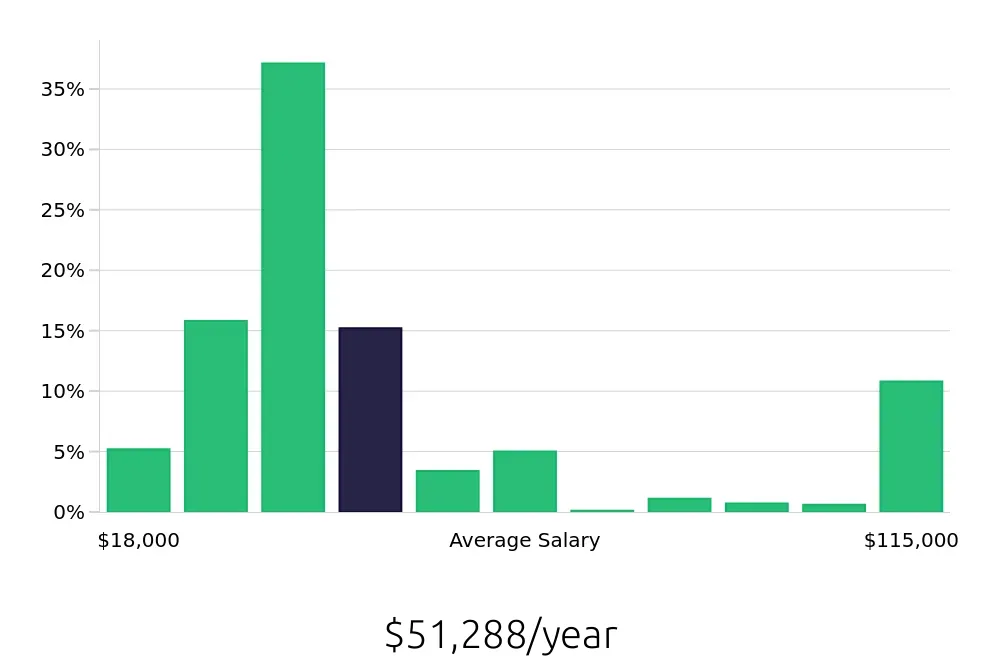
In addition to the positive job outlook, youth teachers enjoy a competitive average annual compensation. The BLS reports an average national annual salary of $62,880 for this role. This figure reflects the value society places on educators who work with young people. Moreover, the average hourly compensation stands at $30.23. This remuneration is attractive for those considering a career in teaching, offering both financial stability and the chance to make a meaningful impact on young lives. For job seekers, these statistics paint a clear picture of a promising and rewarding career path.
Currently 104 Youth Teacher job openings, nationwide.
Continue to Salaries for Youth Teacher