What does a Youth Worker do?
A Youth Worker supports young people in their personal, educational, and social development. This role involves working with individuals and groups to help them reach their potential. A Youth Worker often organizes activities that promote learning, teamwork, and self-improvement. They focus on areas like career guidance, mental health support, and recreational programs. By creating a safe and engaging environment, they empower youth to make positive choices.
Responsibilities of a Youth Worker can include planning and running workshops, mentoring young people, and collaborating with other organizations. They assess the needs of the young people they work with and tailor their support accordingly. A Youth Worker also keeps records of their interactions and progress. They may work in schools, community centers, or youth clubs. The ultimate goal is to help young people develop skills, build confidence, and find their path in life. This role requires strong communication skills, patience, and a genuine interest in helping others.
How to become a Youth Worker?
A career in youth work offers rewarding opportunities to make a difference in young people's lives. To become a Youth Worker, one must take several important steps. Following these steps can help guide someone through the process. By completing these steps, a person can successfully embark on a fulfilling career in youth work.
The first step is to explore the role of a Youth Worker. Understanding the responsibilities and requirements helps determine if this career is the right fit. The second step involves gaining relevant education. Many youth workers hold degrees in social work, education, or related fields. Volunteering or interning with youth organizations can also provide valuable experience. The third step is to develop necessary skills. These include strong communication, empathy, and conflict resolution skills. The fourth step is to obtain any required certifications or licenses. This varies by location and organization. The fifth step is to start applying for positions. Tailor each application to the specific role, highlighting relevant experience and skills.
By following these steps, individuals can increase their chances of securing a job as a Youth Worker. Starting with understanding the role and building the necessary skills leads to a successful career in youth work. Each step plays a crucial part in achieving this goal.
How long does it take to become a Youth Worker?
The path to becoming a Youth Worker can vary based on education, experience, and specific job requirements. Generally, most entry-level positions require at least a high school diploma or equivalent. Some jobs may also need a bachelor’s degree in fields like social work, psychology, or education. Employers often look for candidates with relevant experience, such as volunteer work or internships in youth-related programs.
To advance in this field, Youth Workers can take additional courses or training programs. These can include certifications in youth development, counseling, or specialized programs in areas like substance abuse prevention. Continuing education often leads to better job opportunities and higher positions. Many Youth Workers find it helpful to join professional organizations. These groups offer resources, networking, and ongoing professional development.
Youth Worker Job Description Sample
The Youth Worker is responsible for supporting and empowering young people to reach their full potential through various programs and initiatives. This role involves working closely with youth in community settings, facilitating group activities, and providing guidance to help young individuals develop essential life skills and positive behaviors.
Responsibilities:
- Develop and implement programs and activities that engage and support young people.
- Provide one-on-one and group counseling to address personal, social, and educational needs.
- Facilitate workshops and educational sessions on topics such as conflict resolution, career planning, and healthy lifestyle choices.
- Build relationships with youth, their families, and other community organizations to create a supportive network.
- Monitor and report on the progress and needs of youth participants.
Qualifications
- Bachelor’s degree in Social Work, Psychology, Education, or a related field.
- Experience working with youth, preferably in a community or educational setting.
- Strong communication and interpersonal skills.
- Ability to engage and motivate young people and build trust.
- Knowledge of community resources and support services.
Is becoming a Youth Worker a good career path?
Working with youth can be a fulfilling career path for those interested in making a positive impact on young lives. Youth workers provide support and guidance to help young people navigate challenges. They often work in schools, community centers, or non-profit organizations. This role involves creating programs, counseling, and organizing activities that help youth develop important skills.
Being a youth worker has many benefits. It offers the chance to inspire and mentor young people. This role also provides the opportunity to create a safe and supportive environment. Youth workers often have flexible schedules and the chance to work with diverse groups of young people. However, this career path also has challenges. The work can be emotionally demanding. Youth workers often deal with sensitive issues, such as mental health and family problems. This job may also have limited opportunities for advancement and can have inconsistent pay.
Here are some pros and cons of a career as a youth worker:
- Pros:
- Help young people grow and succeed.
- Work in various settings like schools and community centers.
- Have flexible schedules.
- Cons:
- May face emotionally challenging situations.
- Limited opportunities for career growth.
- Pay may not always be competitive.
What is the job outlook for a Youth Worker?
Becoming a youth worker presents a rewarding career path with steady job opportunities. According to the Bureau of Labor Statistics (BLS), this field sees an average of 80,500 job openings annually. This number highlights the consistent demand for professionals dedicated to supporting young individuals. Aspiring youth workers can look forward to a stable career with numerous positions available each year.
The job outlook for youth workers is positive, with a projected growth of 7.9% from 2022 to 2032. This growth underscores the increasing need for skilled professionals in this sector. Factors such as rising awareness of youth issues and growing support for community programs contribute to this trend. Job seekers can expect a favorable environment for entering and advancing in this field.
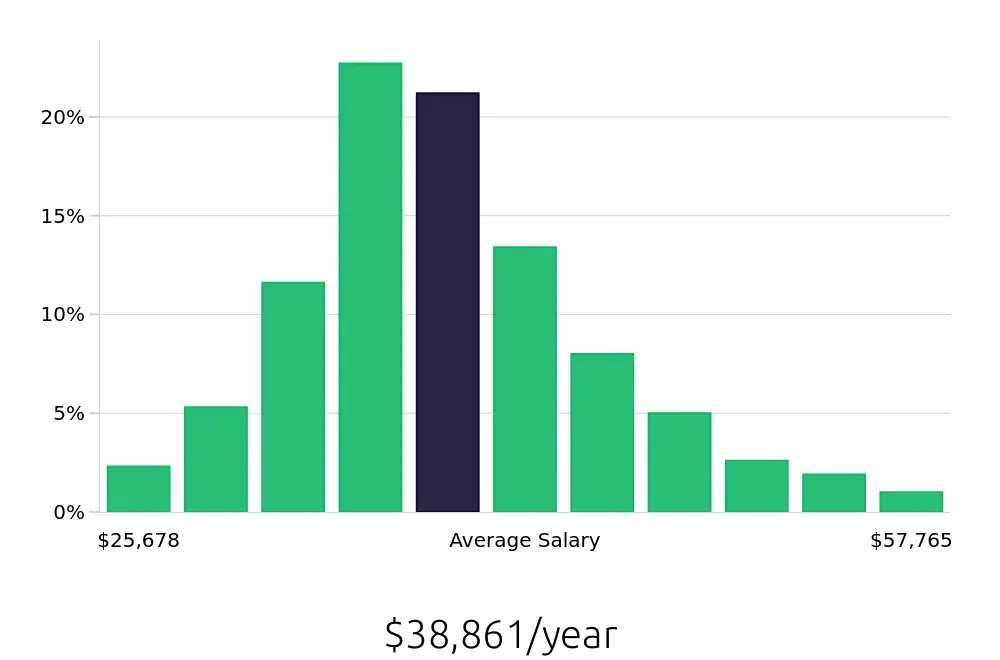
Youth workers can also anticipate a competitive salary. The BLS reports an average national annual compensation of $51,210. This figure reflects the value placed on the work that youth workers do. Additionally, with an hourly compensation rate of $24.62, this role offers a stable and rewarding income. Professionals in this field can expect both job security and financial stability as they dedicate themselves to helping young individuals succeed.
Currently 605 Youth Worker job openings, nationwide.
Continue to Salaries for Youth Worker