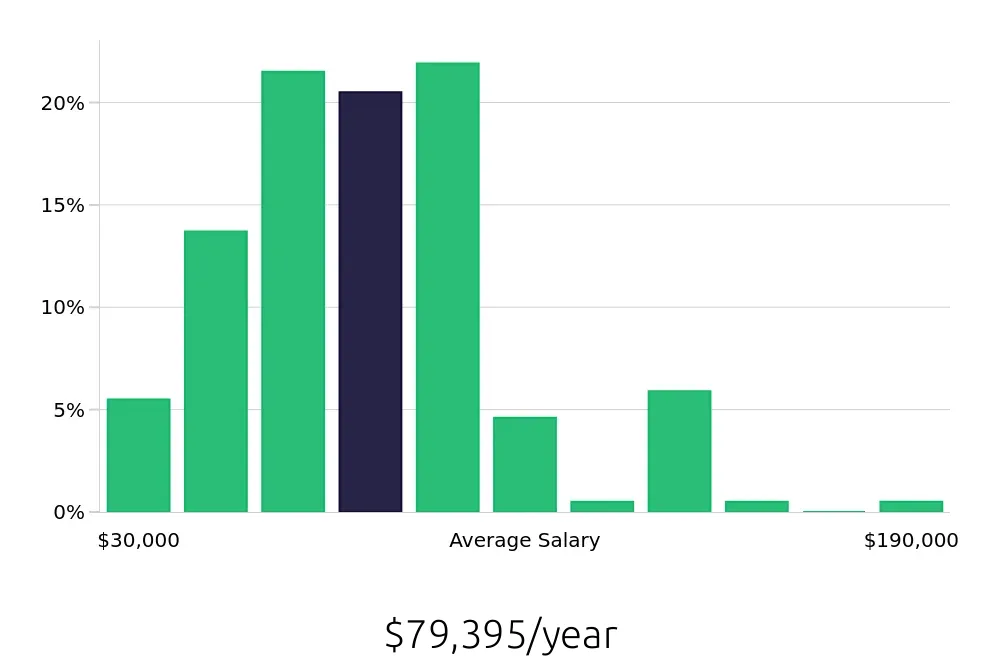
A Care Transitions Manager plays a key role in helping patients move smoothly from one care setting to another. This position can be rewarding and offers opportunities to earn more by enhancing skills and gaining experience. Below are several ways to increase earning potential in this role.
First, gaining more certifications can lead to higher pay. Certifications in areas such as case management or healthcare administration demonstrate a deeper understanding of patient care. Specializations can make a candidate more attractive to employers. Continuous learning through workshops and courses can also lead to higher salaries.
Next, seeking leadership roles can boost earnings. Taking on positions such as team lead or project manager can increase responsibilities and, often, compensation. Leading initiatives to improve patient transitions can showcase skills and dedication, opening doors to higher-paying opportunities. Networking with other professionals can provide insights into such roles and lead to new job offers.
- Obtain certifications: Get credentials in case management or healthcare administration.
- Seek leadership roles: Aim for positions like team lead or project manager.
- Enhance skills: Attend workshops and courses to stay updated.
- Network: Connect with other professionals in the industry.
- Focus on quality: Implement initiatives to improve patient care transitions.