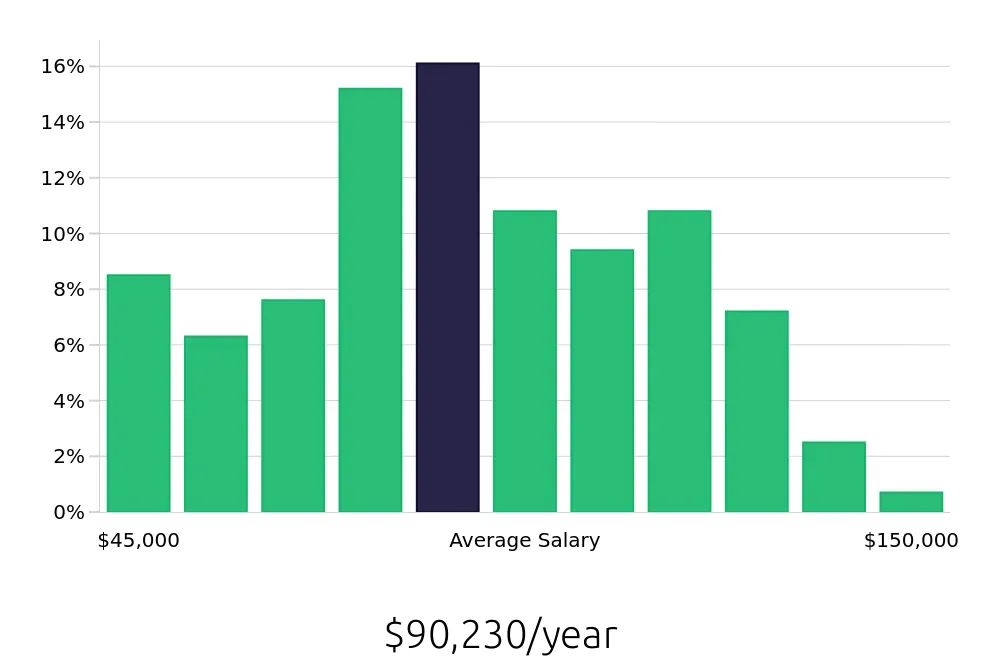
Becoming a Healthcare Data Analyst opens up many opportunities. To earn more, consider these key factors. A higher salary often comes with experience and skills. Employers value a strong understanding of data and healthcare. This combination makes an analyst more valuable.
Professionals can increase their earning potential by gaining certifications. These credentials show a commitment to the field. They also demonstrate specific skills. Some common certifications include Certified Health Data Analyst (CHDA) and Registered Health Information Administrator (RHIA). These can lead to higher paying jobs. Continuing education helps analysts stay current with trends and technologies. This keeps their skills sharp and relevant.
Location plays a big role in salary. Urban areas often pay more than rural ones. Job seekers should look at the cost of living too. High-paying areas might have higher costs. Analysts should weigh their options carefully. Working for larger healthcare organizations can also lead to higher salaries. These companies often have more resources to offer competitive pay.
Networking helps job seekers find higher-paying positions. Joining professional groups and attending events can lead to new opportunities. Talking with others in the field can provide insights into higher-paying roles. Building a strong professional network can open doors to better-paying jobs.
Seeking advanced roles can lead to higher salaries. Moving into management or a specialized data role can increase pay. These positions often require more experience and skills. They also offer a chance to earn more by taking on greater responsibility.
Analysts should continuously update their skills. Technology in healthcare is always changing. Staying up-to-date can lead to better job offers. New tools and methods can make an analyst more effective. Employers value these skills and often pay more for them.