
How much does a Instrumentation Engineer make?
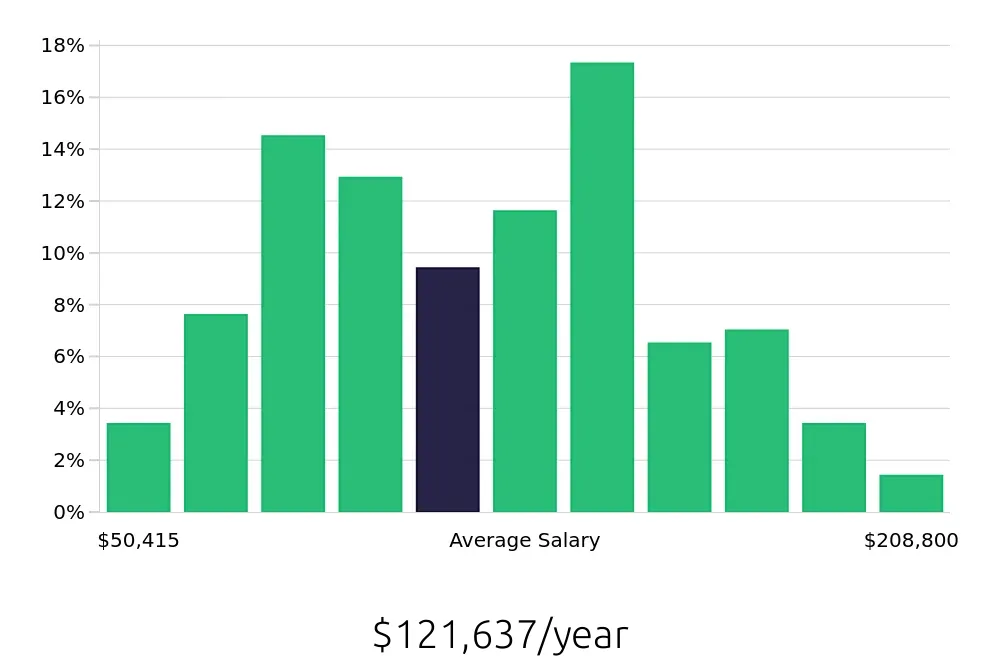
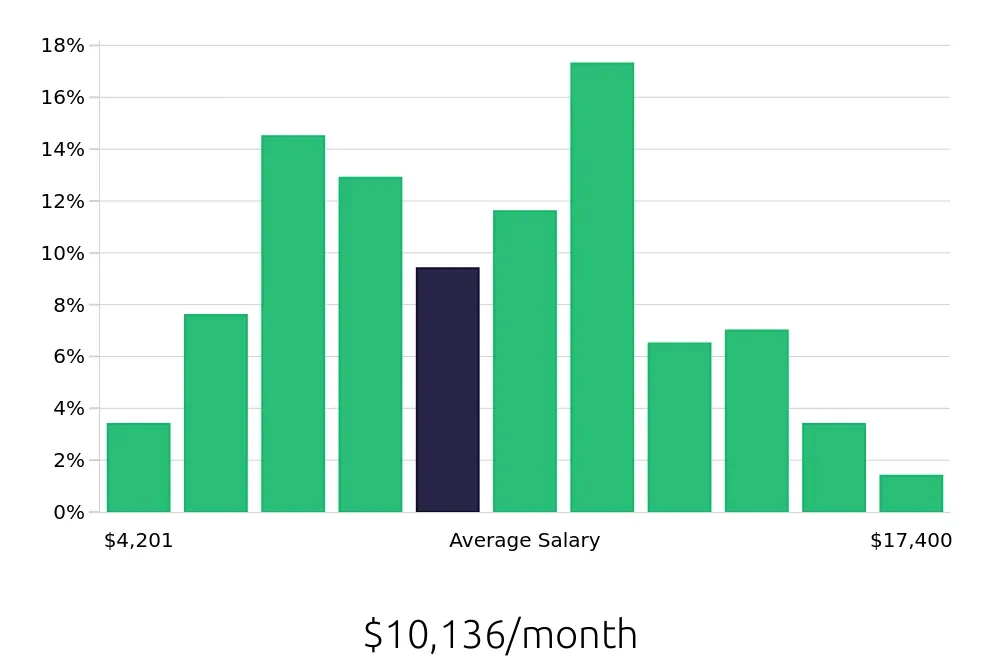

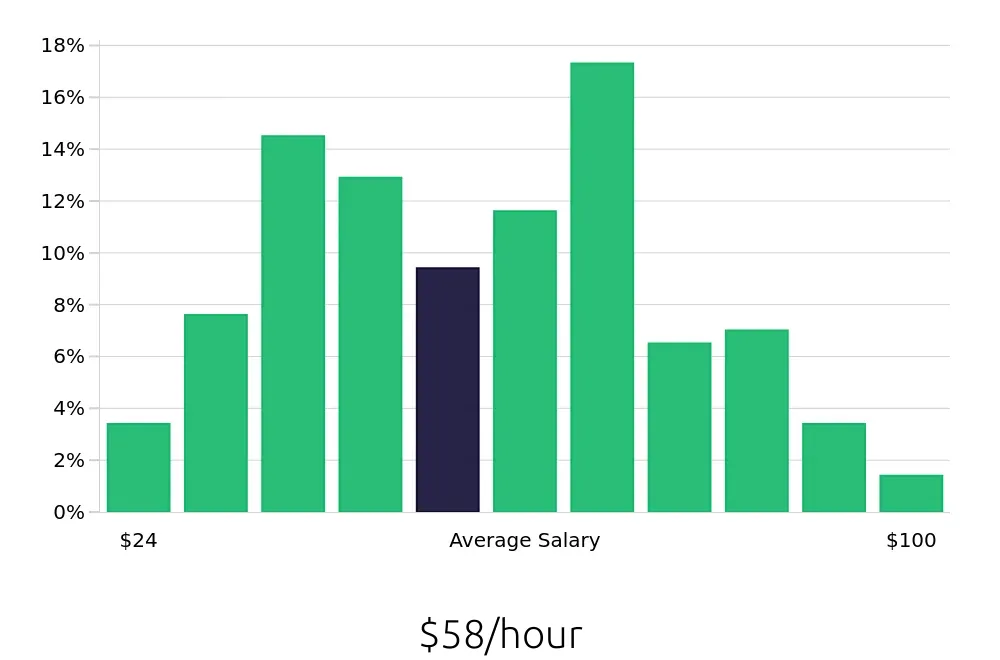
An Instrumentation Engineer has a rewarding career with a good salary. On average, they earn about $121,637 a year. This field uses science and technology to design and maintain instruments that measure and control processes in industries. Engineers can work in many areas, such as manufacturing, energy, and healthcare.
Salaries can vary based on experience and location. Entry-level engineers start with about $50,000. Experienced professionals can earn more than $200,000. Companies in major cities often pay higher wages. Engineers who specialize in high-demand fields can also see higher salaries. Being skilled and knowledgeable can lead to better job opportunities and higher pay.
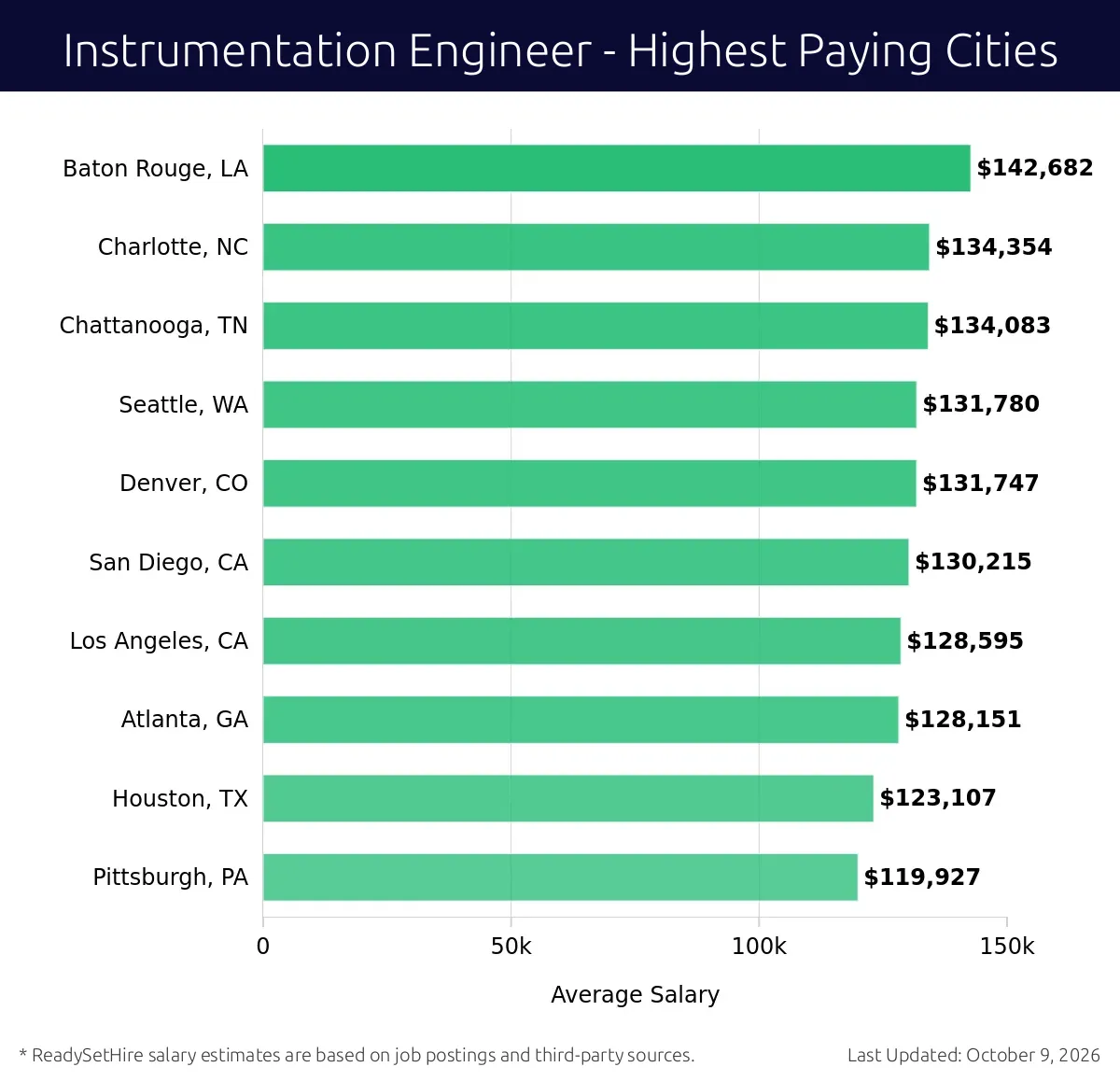
What are the highest paying cities for a Instrumentation Engineer?
-
Baton Rouge, LA
Average Salary: $142,682
In Baton Rouge, working with energy companies like Chevron and Shell can offer a rewarding career for those skilled in automation and control systems. The city’s growing tech scene provides a dynamic environment for innovation.
Find Instrumentation Engineer jobs in Baton Rouge, LA
-
Charlotte, NC
Average Salary: $134,354
Charlotte, known for its thriving banking sector, also has a strong demand for engineering talent. Companies such as Duke Energy and Duke Power rely on skilled engineers to maintain their operations smoothly.
Find Instrumentation Engineer jobs in Charlotte, NC
-
Chattanooga, TN
Average Salary: $134,083
Chattanooga offers a mix of manufacturing and aerospace industries, making it a good place for engineers. Working here, you’ll find opportunities with major players like UTC Aerospace Systems and Volkswagen Group.
Find Instrumentation Engineer jobs in Chattanooga, TN
-
Seattle, WA
Average Salary: $131,780
Seattle’s tech-driven economy means Instrumentation Engineers are in high demand. Tech giants like Boeing and Microsoft need experts to keep their operations running efficiently.
Find Instrumentation Engineer jobs in Seattle, WA
-
Denver, CO
Average Salary: $131,747
Denver offers a mix of industries, from aerospace to renewable energy. Companies like Ball Aerospace and Lockheed Martin rely on skilled engineers to innovate and maintain their systems.
Find Instrumentation Engineer jobs in Denver, CO
-
San Diego, CA
Average Salary: $130,215
San Diego boasts a strong tech and defense sector. With firms like Northrop Grumman and Qualcomm, engineers here will find plenty of opportunities to apply their skills in cutting-edge projects.
Find Instrumentation Engineer jobs in San Diego, CA
-
Los Angeles, CA
Average Salary: $128,595
Los Angeles is a hub for entertainment and aerospace, creating a diverse job market for engineers. Companies like SpaceX and Northrop Grumman offer exciting career paths.
Find Instrumentation Engineer jobs in Los Angeles, CA
-
Atlanta, GA
Average Salary: $128,151
Atlanta’s diverse industries, including finance and logistics, create a strong need for engineering talent. Working here offers collaboration with companies like Coca-Cola and Delta Airlines.
Find Instrumentation Engineer jobs in Atlanta, GA
-
Houston, TX
Average Salary: $123,107
Houston’s energy sector, particularly in oil and gas, makes it a key location for Instrumentation Engineers. Companies like ExxonMobil and Shell provide opportunities to work on critical infrastructure.
Find Instrumentation Engineer jobs in Houston, TX
-
Pittsburgh, PA
Average Salary: $119,927
Pittsburgh’s manufacturing and technology sectors offer solid career prospects for engineers. Companies like UPMC and Carnegie Mellon University provide diverse and innovative work environments.
Find Instrumentation Engineer jobs in Pittsburgh, PA
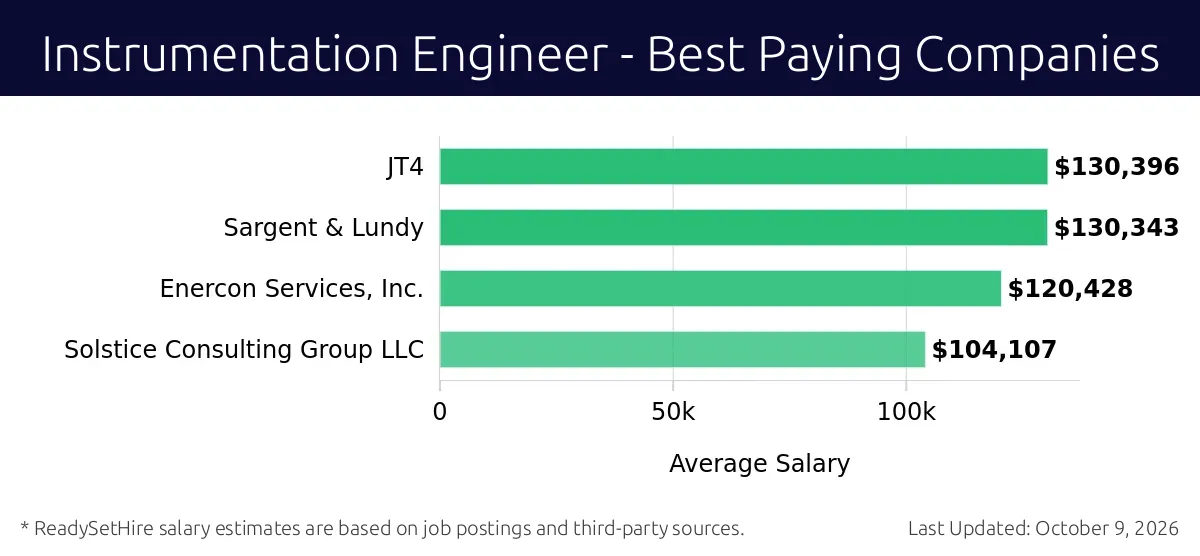
What are the best companies a Instrumentation Engineer can work for?
-
JT4
Average Salary: $130,396
JT4 offers exciting opportunities for Instrumentation Engineers in various locations. The company focuses on delivering top-quality solutions to clients. Instrumentation Engineers work on complex projects and collaborate with a skilled team. JT4 operates in cities like New York, Chicago, and Houston.
-
Sargent & Lundy
Average Salary: $130,343
At Sargent & Lundy, Instrumentation Engineers are in high demand. The company works on significant projects, including power plants and energy systems. Engineers play a crucial role in ensuring projects run smoothly. Sargent & Lundy operates in cities such as Denver, Atlanta, and Charlotte.
-
Enercon Services, Inc.
Average Salary: $120,428
Enercon Services, Inc. provides numerous opportunities for Instrumentation Engineers. The company specializes in energy and utility services. Engineers work on a variety of projects, from design to implementation. Enercon Services, Inc. operates in cities like Los Angeles, Seattle, and Dallas.
-
Solstice Consulting Group LLC
Average Salary: $104,107
Solstice Consulting Group LLC offers competitive salaries for Instrumentation Engineers. The company provides consulting services for energy projects. Engineers are involved in every stage of project development. Solstice Consulting Group LLC operates in cities including San Francisco, Boston, and Miami.
How to earn more as a Instrumentation Engineer?
Working as an Instrumentation Engineer offers various paths to increasing your earnings. By focusing on specific areas, professionals in this field can significantly boost their income. Key strategies involve gaining more experience, pursuing advanced certifications, and exploring opportunities in high-demand industries.
Experience is a critical factor for earning more. Gaining a few years of practical experience in different projects and environments helps build a robust skill set. This experience makes an engineer more valuable to potential employers. Additionally, taking on roles that offer varied challenges can lead to higher-paying positions. Mastery in specific technologies and processes can also set an engineer apart, leading to better job offers.
Advanced certifications can open the door to higher-paying jobs. Certifications in specialized areas such as safety systems, process control, or automation can enhance skills and credentials. These credentials show a commitment to professional development and can lead to promotions and salary increases. Furthermore, continuous learning through workshops, seminars, and online courses keeps skills current and competitive in the job market.
- Gain practical experience: Work on diverse projects to build a robust skill set.
- Pursue advanced certifications: Enhance credentials with specialized certifications.
- Explore high-demand industries: Seek opportunities in sectors with a high need for Instrumentation Engineers.
- Network with industry professionals: Build connections to discover hidden job opportunities.
- Stay updated with technology: Keep skills current by learning new technologies and processes.


