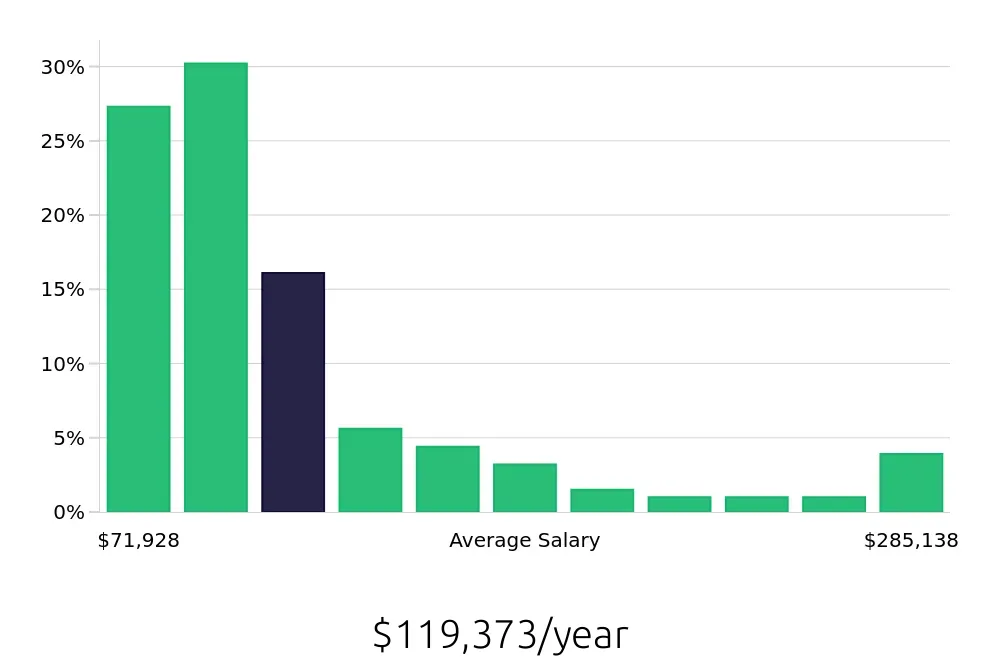
Becoming a Respiratory Supervisor involves more than managing a team; it requires a blend of expertise and strategic planning to maximize earnings. The role often includes overseeing the respiratory care department, ensuring high-quality patient care, and coordinating with other healthcare professionals. To earn more in this position, consider these key factors that can enhance both skills and compensation.
First, gaining additional certifications can open up higher-paying opportunities. Specialty certifications in areas like neonatal care or pulmonary rehabilitation can set a Respiratory Supervisor apart. This expertise not only improves patient outcomes but also increases the value employers place on the individual. Secondly, pursuing advanced degrees, such as a Master’s in Healthcare Administration or a related field, can lead to higher-paying roles. These qualifications demonstrate a commitment to professional development and can qualify an individual for senior positions with greater responsibilities and higher salaries. Third, enhancing leadership skills is essential. Effective supervisors who can motivate their teams and manage department operations tend to earn more. This includes taking on additional training programs focused on management and leadership. Fourth, networking within the healthcare community can uncover opportunities that are not advertised publicly. Joining professional organizations and attending conferences can lead to job offers and salary negotiations that might not be available otherwise. Lastly, staying current with industry trends and advancements in respiratory care can provide a competitive edge. Attending workshops, seminars, and continuing education courses ensures that a Respiratory Supervisor remains knowledgeable and valuable to their employer.
Investing in these areas can significantly impact a Respiratory Supervisor's earning potential. By focusing on certifications, education, leadership, networking, and staying informed, one can enhance both career satisfaction and financial rewards.
- Obtain specialty certifications in areas like neonatal care or pulmonary rehabilitation.
- Pursue advanced degrees such as a Master’s in Healthcare Administration.
- Enhance leadership skills through management training programs.
- Network within the healthcare community by joining professional organizations and attending conferences.
- Stay current with industry trends and advancements in respiratory care.