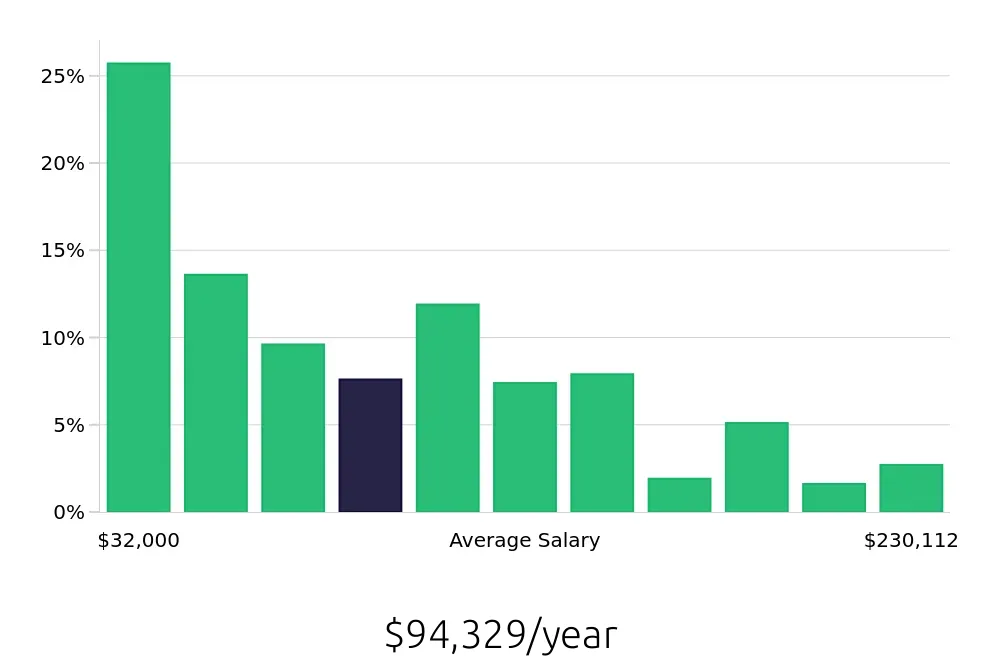
Summit, NJ, features a cost of living index higher than the nationwide average of 100. Specifically, housing costs are 20% higher, while groceries and healthcare prices sit at 10% and 15% above the national average, respectively. Utilities and transportation costs remain slightly above average at 5% and 5% below, respectively, while miscellaneous expenses are 7% higher. This data reveals that living in Summit, NJ, involves higher expenses in key areas such as housing, groceries, and healthcare, compared to the national average. Despite some areas like transportation and utilities being slightly lower, the overall cost of living is notably increased, impacting budget considerations for residents and job seekers alike.
The cost of living in Summit, NJ, exceeds the nationwide average in several key areas. Housing costs stand at 120, which means they are 20% higher than the average. Job seekers looking for homes will find that renting or buying property costs more here compared to many other places in the country. Groceries in Summit are also higher, with an index of 110, indicating a 10% increase. These costs can add up quickly, affecting budgets for those new to the area.
Utilities, however, are slightly below the nationwide average with an index of 105, reflecting a 5% increase. This could offer some relief for residents, although it is not enough to offset higher costs in other areas. Healthcare costs also rise, with an index of 115, a 15% jump from the average. Job seekers need to factor in these higher expenses when considering job offers in Summit, NJ. Despite some areas showing manageable costs, the overall higher cost of living can be a significant consideration.