What does a Account Clerk do?
An Account Clerk plays a key role in managing financial records for a company. This person handles tasks that ensure the accuracy of financial documents. Responsibilities include maintaining ledgers, reconciling accounts, and processing transactions. They work closely with accounting software to record and track financial data. Account Clerks often prepare reports that help management make informed decisions. Attention to detail is crucial, as errors can lead to significant financial discrepancies.
The role also involves interacting with various departments. An Account Clerk communicates with billing, purchasing, and sales teams to ensure all financial activities are correctly documented. They may also assist with audits by organizing and presenting financial records. This position requires a solid understanding of accounting principles and practices. Strong organizational skills and the ability to handle confidential information are essential. Account Clerks support the financial health of the organization by ensuring all financial data is accurate and up to date.
How to become a Account Clerk?
Becoming an Account Clerk can be a rewarding career choice for those who enjoy working with numbers and details. This role often involves managing accounts, ensuring accuracy in financial records, and supporting the accounting team. Here is a clear outline of the steps to pursue this career:
First, gaining a solid educational foundation is important. Most Account Clerk positions require at least a high school diploma. However, additional education in business or accounting can be highly beneficial. Many employers prefer candidates with an associate's or bachelor's degree in these fields. Such degrees provide essential knowledge in accounting principles, financial software, and business practices.
- Education: Obtain a high school diploma or GED. Consider pursuing a degree in business or accounting.
- Skills: Develop strong skills in accounting, data entry, and the use of office software like Excel and QuickBooks.
- Experience: Gain experience through internships, entry-level positions, or volunteering in accounting roles.
- Certifications: Earn relevant certifications, such as the Certified Bookkeeper (CB) or Certified Accounting Clerk (CAC), to boost employability.
- Job Search: Look for job openings on job boards and company websites. Tailor your resume to highlight relevant skills and experience.
Developing key skills is essential. Strong skills in accounting, data entry, and the use of office software like Excel and QuickBooks are crucial. Consider taking courses or attending workshops to enhance these skills. Experience in the field can be gained through internships, entry-level positions, or volunteering in accounting roles. This hands-on experience provides a practical understanding of the job and helps build a professional network.
How long does it take to become a Account Clerk?
Interest in accounting often leads many to wonder about the journey to becoming an Account Clerk. This career path requires a blend of education, training, and experience. Typically, most individuals earn a high school diploma, which usually takes four years to complete. After high school, aspiring Account Clerks may choose to pursue additional education or training in accounting or a related field.
Vocational programs or community college courses can take an additional one to two years. These programs offer specialized courses in accounting software and practices. Some Account Clerks complete internships or on-the-job training, which can add another six months to a year. This hands-on experience helps in mastering practical skills needed in the field. By the time someone finishes their education, training, and gains the required experience, they can expect to spend around three to five years in total.
Account Clerk Job Description Sample
We are seeking a detail-oriented and organized Account Clerk to join our finance team. The ideal candidate will be responsible for managing accounts, processing transactions, and ensuring accuracy in financial records.
Responsibilities:
- Maintain accurate financial records and perform regular reconciliation of accounts.
- Process transactions such as payments, receipts, and bank deposits.
- Prepare and review financial reports and statements.
- Assist in the preparation of budgets and forecasts.
- Manage vendor and client accounts, ensuring timely and accurate invoicing and payment.
Qualifications
- High school diploma or equivalent required; associate's or bachelor's degree in accounting or related field preferred.
- Proven experience as an Account Clerk or similar role.
- Strong understanding of accounting principles and practices.
- Proficiency in accounting software and Microsoft Office Suite.
- Excellent attention to detail and accuracy in data entry and reporting.
Is becoming a Account Clerk a good career path?
Working as an Account Clerk offers a stable and rewarding career path within the financial sector. This role involves handling various accounting tasks such as bookkeeping, payroll, and financial reporting. Job seekers interested in numbers and details will find this position both challenging and fulfilling. Companies across all industries need Account Clerks, which provides a wide range of opportunities for career advancement.
Becoming an Account Clerk has many benefits. For one, it offers the chance to learn directly from seasoned professionals. This role often provides a solid foundation for further study in accounting or finance. Many Account Clerks progress to higher positions such as Senior Accountant or Financial Manager. The structured nature of the work, along with the routine tasks, can bring a sense of stability and predictability to one's career.
However, there are some downsides to consider. The job can be repetitive and detail-oriented, which may not suit everyone. The workload can be intense, particularly during tax season. While the role is stable, career advancement may depend on gaining additional qualifications, such as a CPA license.
- Pros:
- Learn from experienced professionals.
- Foundation for further education in accounting.
- Opportunities for career advancement.
- Job stability and routine tasks.
- Cons:
- Repetitive and detail-oriented work.
- Intense workload, especially during tax season.
- Career advancement may require additional qualifications.
What is the job outlook for a Account Clerk?
The role of an Account Clerk presents a stable career path for many job seekers. With an average of 183,900 job positions opening each year, there are ample opportunities for those entering this field. The demand for accounting professionals remains strong, making it a reliable choice for those looking to secure employment.
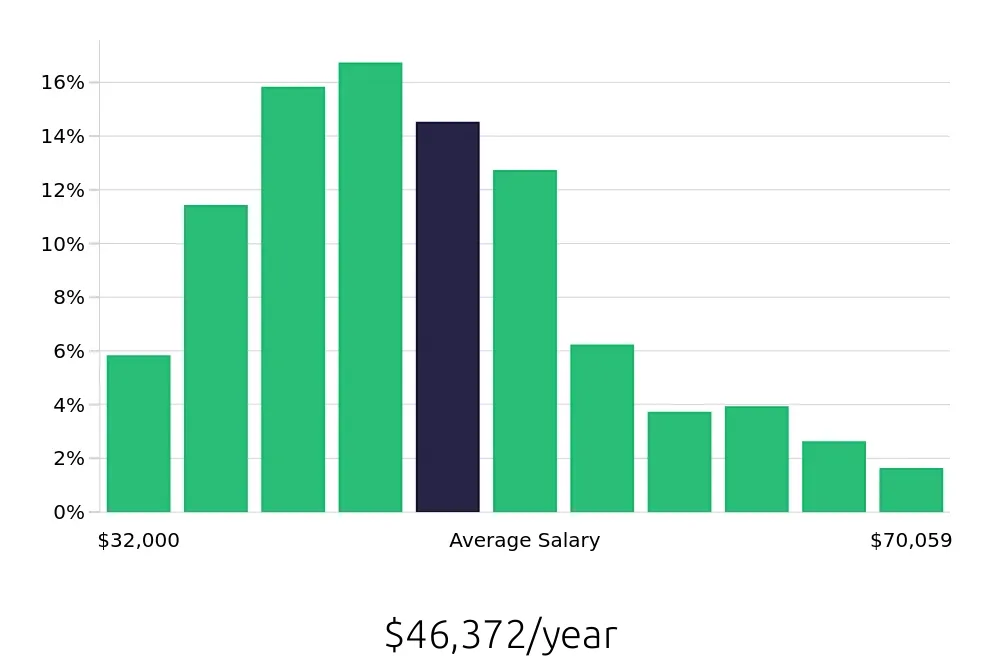
While the number of job openings is projected to decrease by 6.2% from 2022 to 2032, according to the BLS, this change reflects broader industry trends rather than a decline in demand for skilled professionals. Job seekers with strong skills and qualifications can still find ample opportunities. The average national annual compensation for Account Clerks stands at $49,580, offering a solid income potential for this role.
Account Clerks can also expect competitive hourly wages, with an average rate of $23.84 per hour. This compensation reflects the essential role these professionals play in managing financial records and ensuring accuracy in accounting processes. For job seekers, these figures highlight the stability and earning potential of a career as an Account Clerk.
Currently 99 Account Clerk job openings, nationwide.
Continue to Salaries for Account Clerk