What does a Advanced Practice Provider do?
An Advanced Practice Provider (APP) serves as a vital member of a healthcare team. They work alongside physicians to provide comprehensive patient care. APPs, which include nurse practitioners and physician assistants, assess patients, diagnose conditions, and develop treatment plans. Their role is to ensure patients receive high-quality care from the moment they enter the facility until they leave. APPs often handle routine check-ups, manage chronic diseases, and provide preventive care. They also educate patients about their health conditions and treatment options. This helps patients make informed decisions about their care.
APPs play a critical role in improving access to healthcare services. They often serve in underserved areas where there is a shortage of primary care physicians. By taking on many of the responsibilities traditionally handled by doctors, APPs help ease the burden on the healthcare system. This allows physicians to focus on more complex cases. APPs contribute to the overall efficiency of medical practices. They help streamline patient care processes and improve patient outcomes. Their ability to work independently and collaboratively makes them an essential part of modern healthcare teams.
How to become a Advanced Practice Provider?
Becoming an Advanced Practice Provider (APP) can open doors to rewarding career opportunities in healthcare. This path requires dedication, education, and specific qualifications. Below are five essential steps to guide you through the process of becoming an APP.
First, obtain a relevant degree. Most APPs start with a Bachelor’s degree in a field like nursing or another healthcare-related major. This provides the foundational knowledge needed to move forward. Next, gain clinical experience. Working in a clinical setting helps build the skills and hands-on experience necessary for advanced roles. Third, pursue advanced education. Enroll in a graduate program to earn a Master’s or Doctoral degree in a specialized field like Nurse Practitioner or Physician Assistant. Fourth, complete clinical rotations. These rotations provide supervised experience and practical training in various medical settings. Finally, obtain the necessary certifications and licensure. This includes passing certification exams and getting licensed in the state where you plan to practice.
Here are the steps in more detail:
- Get a Bachelor’s degree in a relevant field like nursing or healthcare.
- Gain clinical experience by working in healthcare settings.
- Earn a Master’s or Doctoral degree from an accredited program.
- Complete required clinical rotations during your advanced education.
- Pass certification exams and get licensed in your state.
How long does it take to become a Advanced Practice Provider?
Starting a career as an Advanced Practice Provider (APP) means choosing a path that combines clinical skills with expanded duties. Many find this role rewarding and fulfilling. The journey to becoming an APP includes several important steps. First, it requires a strong educational foundation. Most APPs begin with a bachelor's degree in nursing or a related field. After gaining experience as a Registered Nurse (RN), the next step is to complete a master’s or doctoral degree in a specialized area such as nurse practitioner, physician assistant, or clinical nurse specialist. This advanced education can take around two to four years.
Once the advanced degree is complete, the journey continues. APPs need to pass a national certification exam. This exam ensures they have the knowledge and skills to provide high-quality patient care. After passing the exam, APPs can start their careers. They will often work under the supervision of a physician, depending on the state’s laws. Building experience and gaining patient trust takes time. Most APPs find that it takes several years to feel fully confident and independent in their roles. Throughout their careers, APPs must also keep up with continuing education to maintain their certifications and stay current with medical practices. This ongoing learning helps them provide the best care possible to their patients.
Advanced Practice Provider Job Description Sample
We are seeking a highly skilled and compassionate Advanced Practice Provider to join our healthcare team. The ideal candidate will provide advanced medical care, focusing on patient-centered treatment and collaborating with other healthcare professionals to ensure optimal patient outcomes.
Responsibilities:
- Provide comprehensive patient care including diagnosis, treatment, and follow-up.
- Perform physical examinations and interpret diagnostic tests.
- Develop and implement patient management plans.
- Prescribe medications and other treatments as necessary.
- Collaborate with physicians, nurses, and other healthcare professionals to ensure integrated patient care.
Qualifications
- Advanced degree in a relevant field (NP, PA, CRNA, CNM).
- Current and unrestricted state licensure.
- Certification by a recognized professional organization (e.g., ANCC, AANP, NCCPA).
- Minimum of 2 years of clinical experience in a relevant specialty.
- Excellent communication and interpersonal skills.
Is becoming a Advanced Practice Provider a good career path?
The career path of an Advanced Practice Provider (APP) offers significant opportunities in the healthcare sector. These professionals often work alongside physicians, providing a range of medical services. They can diagnose illnesses, prescribe treatments, and manage patient care. This role requires advanced education and certification, making it a respected position in the medical field.
Choosing this career path comes with many benefits. First, APPs have the chance to make a real difference in patients' lives. They also enjoy a stable job market with growing demand. APPs can work in various settings, from hospitals to private practices. However, there are some downsides to consider. The education and training needed can be long and demanding. APPs also face high levels of stress and responsibility, as patient care often requires quick decision-making.
Below are some pros and cons to think about if considering this career path:
- High demand for qualified professionals
- Opportunities for career advancement
- Competitive salary
- Requires extensive education and training
- Potential for high stress levels
- Limited autonomy compared to physicians
What is the job outlook for a Advanced Practice Provider?
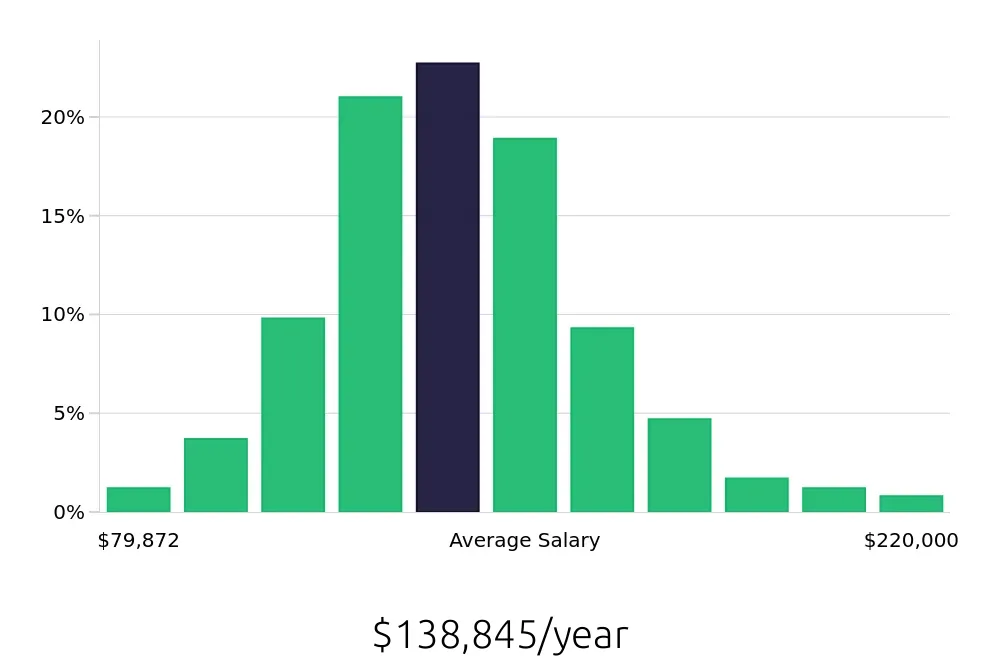
Advanced Practice Providers (APPs) play a crucial role in the healthcare system, providing essential care and services. The job outlook for APPs is promising, with an average of 193,100 job positions available each year. This outlook is bolstered by a projected 5.6% increase in job openings from 2022 to 2032, indicating strong demand in the field. The average national annual compensation for APPs stands at $94,480, reflecting the value and expertise these professionals bring to healthcare settings.
APPs, including nurse practitioners and physician assistants, are integral to improving access to quality healthcare. Their roles often involve patient care, diagnostics, and treatment plans, making them vital in various medical environments. The compensation for APPs is competitive, with an average national hourly rate of $45.42. This rate underscores the importance of their skills and the responsibilities they handle. As healthcare continues to evolve, the demand for qualified APPs is expected to grow, offering job seekers a stable and rewarding career path.
The increasing need for healthcare services is a key driver behind the positive job outlook for APPs. With an aging population and expanding healthcare needs, the role of APPs becomes even more critical. Job seekers interested in this field can expect a variety of opportunities across different healthcare settings, from hospitals to private practices. The combination of a stable job market and a rewarding salary makes this career path attractive for those looking to make a meaningful impact in healthcare.
Currently 1,231 Advanced Practice Provider job openings, nationwide.
Continue to Salaries for Advanced Practice Provider