What does a Agency Manager do?
An Agency Manager oversees the operations of an agency. They ensure that the agency runs smoothly. They manage staff, handle budgets, and keep everything on track. They work closely with team members to meet goals. They also communicate with clients to ensure satisfaction. Agency Managers need strong leadership and organizational skills. They must be able to solve problems quickly.
In this role, the Agency Manager coordinates projects. They set deadlines and assign tasks. They monitor progress to make sure everything is completed on time. They also handle any issues that arise. Agency Managers must stay updated on industry trends. They should have a good understanding of the market. They work to grow the agency and improve services. This role is crucial for the success of the agency. It requires dedication and hard work.
How to become a Agency Manager?
Becoming an Agency Manager requires dedication and a clear path. Follow these steps to start your journey toward managing your own agency.
First, build a strong foundation in the industry. This involves gaining relevant experience and understanding industry trends. Experience can come from various roles within the industry. It might include positions such as account manager, project coordinator, or sales representative. Understanding the industry helps in making informed decisions. It also aids in managing clients and projects effectively.
- Gain Relevant Experience: Work in roles that build your skills and knowledge.
- Develop Leadership Skills: Take on leadership roles early. This could be through team projects or volunteer work.
- Pursue Education: Consider earning a degree in business, marketing, or a related field. Certifications can also enhance your credentials.
- Network: Connect with industry professionals. Attend conferences, join associations, and use social media platforms like LinkedIn.
- Start Your Own Agency: Once ready, launch your own agency. Focus on building a strong team and client base.
How long does it take to become a Agency Manager?
Many people wonder about the timeline to reach the role of an Agency Manager. The path to this position can vary. Factors like education, experience, and specific industry needs play a role. On average, it takes around 5 to 7 years of work experience in the industry to reach this level. This time allows for gaining key skills and insights needed for success.
Typically, starting as a junior or assistant role is common. From there, professionals may move up to a team leader or department head position. With continued hard work and skill development, a promotion to Agency Manager becomes possible. This journey needs dedication and a clear understanding of the industry. Agencies often look for leaders who can manage teams, drive results, and have a strong vision for growth. Each step builds the foundation for the next, leading to a rewarding career as an Agency Manager.
Agency Manager Job Description Sample
We are seeking a dynamic and experienced Agency Manager to lead and manage our agency's operations. The ideal candidate will have a proven track record of managing multiple accounts, leading a team, and driving business growth. The Agency Manager will be responsible for overseeing daily operations, ensuring client satisfaction, and implementing strategic initiatives to enhance agency performance.
Responsibilities:
- Oversee and manage all agency operations to ensure efficient and effective service delivery.
- Develop and implement strategic plans to achieve business objectives and growth targets.
- Lead, mentor, and motivate the team to achieve high performance and job satisfaction.
- Maintain strong relationships with clients, ensuring their needs are met and exceeded.
- Monitor and analyze key performance indicators to measure agency performance and identify areas for improvement.
Qualifications
- Bachelor’s degree in Business Administration, Management, Marketing, or a related field.
- Minimum of 5 years of experience in an agency management role.
- Proven leadership skills with experience managing a team of professionals.
- Strong understanding of agency operations, client management, and business development.
- Excellent communication, negotiation, and interpersonal skills.
Is becoming a Agency Manager a good career path?
An agency manager plays a crucial role in the business world. This position requires overseeing a team that provides services, such as marketing or advertising. The job demands leadership skills and a strong understanding of the industry. Agency managers work to meet client needs and ensure the team's success. This career path offers a mix of challenges and rewards.
The role of an agency manager has several pros and cons. On the positive side, this position offers leadership opportunities. Managers can shape the direction of their team and influence their agency's success. It also allows for creative problem-solving and strategic thinking. The job provides a sense of accomplishment from seeing the team's hard work pay off. However, it comes with its challenges. The role can be stressful due to tight deadlines and high expectations. Agency managers must balance multiple tasks and responsibilities. This position also requires strong communication skills and the ability to handle conflicts within the team.
Consider these points before pursuing a career as an agency manager.
- Pros:
- Opportunities for leadership and growth.
- Creative problem-solving and strategic thinking.
- Sense of accomplishment from team success.
- Cons:
- High stress due to deadlines and expectations.
- Balancing multiple tasks and responsibilities.
- Need for strong communication and conflict resolution skills.
What is the job outlook for a Agency Manager?
Agency Managers oversee business operations for advertising and marketing firms. This role provides a stable career path with a promising job outlook. Each year, the Bureau of Labor Statistics (BLS) reports around 28,200 job openings for Agency Managers. Though the job openings are expected to decrease by 2.2% from 2022 to 2032, this slight change does not detract from the overall stability of this career. With a strong foundation in management and marketing, professionals can find rewarding opportunities.
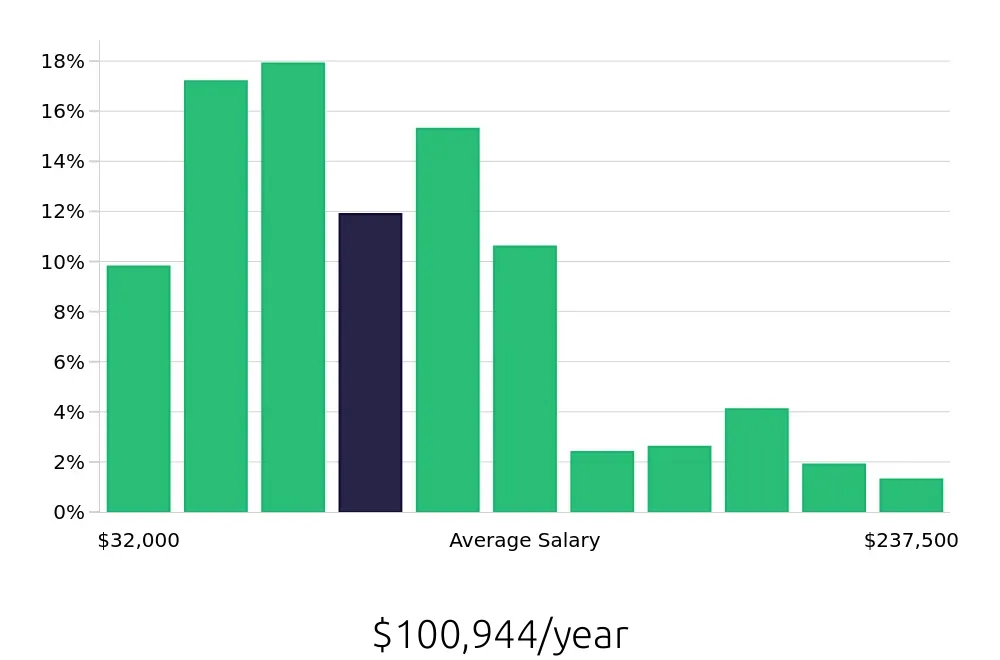
For those entering the field, the compensation is competitive. The BLS reports an average annual salary of $60,140 for Agency Managers. This translates to an hourly wage of $28.92. These figures highlight the potential for a lucrative career in this sector. With experience and performance, there is room for salary growth. The combination of a stable job market and attractive pay makes this role appealing to many job seekers.
In summary, a career as an Agency Manager offers a blend of stability and opportunity. The job outlook, though slightly decreasing, still presents many opportunities each year. The average salary and hourly rate are strong incentives for professionals to consider this path. With the right skills and dedication, job seekers can thrive in this rewarding career.
Currently 104 Agency Manager job openings, nationwide.
Continue to Salaries for Agency Manager