What does a Analytics Consultant do?
An Analytics Consultant works to help businesses understand their data. They analyze data from various sources to find trends and insights. This helps companies make better decisions. The consultant gathers data, cleans it, and ensures it is accurate. They then use tools to create reports and visualizations. These reports show important information in an easy-to-understand way. An Analytics Consultant works closely with different teams to ensure the data supports business goals.
This role requires strong analytical skills and a good understanding of data tools. The consultant needs to know how to use software like Excel, SQL, and data visualization tools. Communication skills are also key. They must explain complex data in simple terms. This helps decision-makers understand the data and act on it. The consultant often works with marketing, sales, and IT teams. They help these teams use data to improve their performance. This role is essential for companies looking to use data to drive growth and efficiency.
How to become a Analytics Consultant?
Becoming an Analytics Consultant involves a blend of education, skill development, and experience. This career path allows individuals to leverage data to drive business decisions. Understanding the steps can help guide someone through the process.
First, a solid foundation in analytics is essential. This begins with acquiring the right education. Most consultants hold at least a bachelor's degree in a relevant field such as data science, statistics, or business analytics. Some may also pursue a master's degree to gain a competitive edge. Gaining this educational background provides the necessary technical knowledge.
Next, developing key skills is crucial. This includes proficiency in data analysis tools like SQL, Python, and R. Experience with data visualization software such as Tableau or Power BI is also important. These skills help consultants effectively analyze and present data. Additionally, understanding business processes and strategies allows consultants to provide meaningful insights.
- Earn a relevant degree.
- Develop necessary skills.
- Gain practical experience.
- Build a professional network.
- Continuously update knowledge and skills.
Practical experience enhances the learning process. Internships, entry-level positions, or freelance work in data analytics can provide valuable hands-on experience. Working in a real-world setting allows individuals to apply their skills and understand the challenges of the field.
Networking is another important step. Attending industry conferences, joining professional organizations, and connecting with peers can open doors to job opportunities. Building a strong professional network can lead to recommendations and partnerships that are vital for career growth.
Lastly, the field of analytics is always evolving. Staying current with new tools, technologies, and methodologies is essential. Continuous learning through courses, certifications, and workshops ensures that consultants remain competitive and effective in their roles.
How long does it take to become a Analytics Consultant?
Starting a career as an Analytics Consultant involves several steps, each building upon the last. Most professionals find that it takes about two to five years to fully establish themselves in this field. This timeline can vary based on individual education, experience, and dedication. Key factors include obtaining the right education, gaining practical experience, and continually updating skills.
Education plays a crucial role. Many consultants hold a bachelor’s degree in fields like statistics, computer science, or business. Some may choose to pursue a master’s degree to gain an edge. Alongside formal education, gaining certifications in data analysis tools and platforms such as SQL, Python, or Google Analytics can boost a resume. Real-world experience often comes from internships, entry-level positions, or freelance work. This practical experience helps develop the skills needed to analyze data and provide valuable insights to clients.
Analytics Consultant Job Description Sample
We are seeking an experienced Analytics Consultant to join our team. The ideal candidate will have a strong background in data analysis and a passion for using data to drive business decisions. This role involves working closely with clients to understand their needs and providing actionable insights through advanced analytics.
Responsibilities:
- Conduct in-depth analysis of client data to identify trends, insights, and opportunities for improvement.
- Develop and maintain dashboards and reports to communicate findings effectively to clients.
- Collaborate with cross-functional teams to implement data-driven strategies and solutions.
- Design and execute A/B tests and other experiments to evaluate the impact of different strategies.
- Present findings and recommendations to clients, tailoring the communication style to suit different audiences.
Qualifications
- Bachelor’s degree in Data Science, Statistics, Computer Science, or a related field. Master’s degree preferred.
- Proven experience (3-5 years) as an Analytics Consultant or similar role.
- Strong proficiency in data analysis tools such as SQL, Python, R, and data visualization tools like Tableau or Power BI.
- Excellent problem-solving skills with a keen attention to detail.
- Strong communication skills, with the ability to present complex data insights in a clear and concise manner.
Is becoming a Analytics Consultant a good career path?
Working as an Analytics Consultant offers a unique blend of opportunities and challenges. This role involves gathering, analyzing, and interpreting data to help businesses make informed decisions. Analytics Consultants often work with top-tier companies, gaining exposure to various industries and projects. This career path demands strong analytical skills, attention to detail, and the ability to communicate complex data insights clearly. Many find the role intellectually stimulating and rewarding, with the potential for significant impact on business strategies.
The career of an Analytics Consultant has its benefits and drawbacks. Consider these pros and cons to understand what this path might entail. Working in analytics offers flexibility, with the option for remote work or in-office positions. Consultants can expect competitive salaries and opportunities for career advancement. However, the job can be demanding, requiring long hours and the ability to work under pressure. There is also the challenge of staying updated with the latest tools and technologies, which requires continuous learning. Balancing these aspects will help determine if this career is the right fit.
Let's look at some specific pros and cons of being an Analytics Consultant:
- Pros:
- High demand for skilled professionals
- Opportunities for career growth and advancement
- Flexible work arrangements
- Competitive salaries
- Cons:
- Potential for long hours and high pressure
- Need for constant learning and adaptation
- Highly competitive job market
What is the job outlook for a Analytics Consultant?
Looking to become an Analytics Consultant? This career path offers promising job outlook and competitive compensation. The Bureau of Labor Statistics (BLS) reports about 9,800 new positions available each year. This means steady opportunities for those entering the field. With a projected growth of 22.5% from 2022 to 2032, the demand for skilled Analytics Consultants is on the rise. Companies increasingly rely on data-driven decisions, making this role more important than ever.
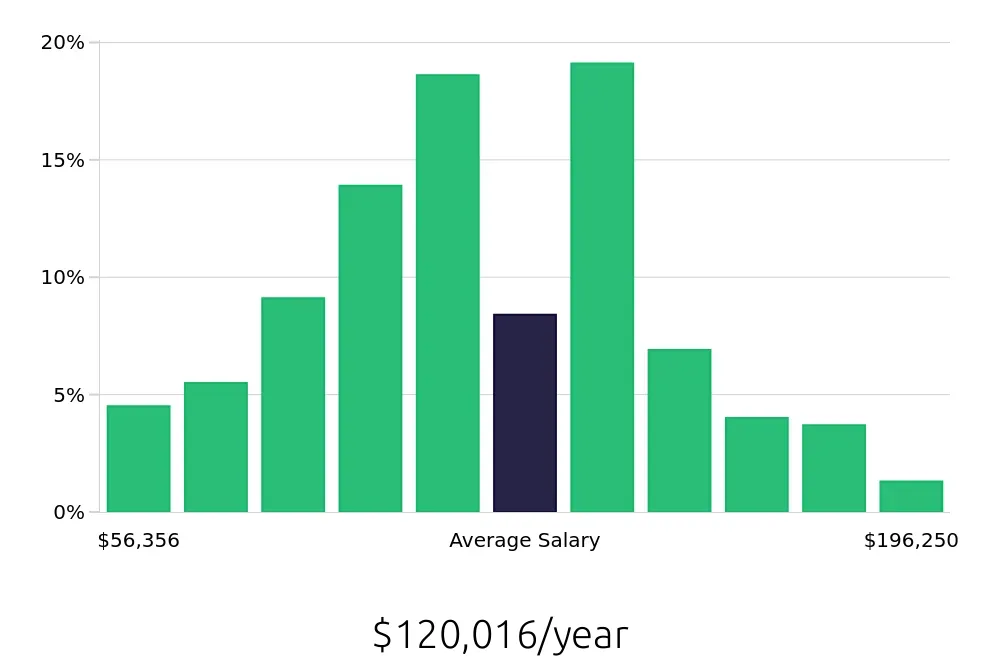
Analytics Consultants who analyze and interpret data to help businesses make better decisions can expect strong earning potential. The average national annual compensation stands at $95,600. Hourly, professionals in this role can earn around $45.96. This compensation reflects the value companies place on the insights provided by Analytics Consultants. Successful consultants often have the chance to advance, leading to higher earnings over time. This makes the role not only stable but also rewarding financially.
Job seekers interested in this field will find plenty of opportunities across various industries. Companies in finance, healthcare, retail, and technology all need skilled Analytics Consultants. This versatility allows for a dynamic career with the potential for growth and specialization. Whether you are just starting out or looking to switch careers, becoming an Analytics Consultant offers a bright future.
Currently 306 Analytics Consultant job openings, nationwide.
Continue to Salaries for Analytics Consultant