Position
Overview
An Area Director oversees operations across multiple locations within a specific geographic area. They lead teams to ensure that business goals are met efficiently and effectively. This role requires excellent leadership skills and the ability to manage both people and projects. The Area Director communicates with upper management to report on performance and implement strategic plans. They coordinate with other departments to ensure smooth operations and address any challenges that arise.
Key responsibilities include managing staff, setting targets, and driving sales. The Area Director also analyzes market trends and customer needs to tailor strategies accordingly. They organize training sessions and provide guidance to team members. This role ensures that all locations are aligned with company standards and practices. The Area Director plays a critical part in achieving organizational success and growth.
To become an Area Director, one must combine leadership skills with a solid understanding of the industry. This role requires managing multiple teams and ensuring that all operations run smoothly. Achieving this position demands dedication, the right education, and relevant experience.
Here are the steps to becoming an Area Director:
A journey to becoming an Area Director typically spans several years, depending on one's educational background and career path. Most professionals start with a bachelor's degree, which takes about four years to complete. This degree often includes courses in business, management, and leadership. Following this, gaining experience in a relevant field is crucial. Many professionals spend 2-5 years working in positions that build their skills in management and leadership.
After gaining the necessary experience, professionals often pursue advanced degrees or certifications, such as a Master’s in Business Administration (MBA), which usually takes an additional 1-2 years. With the right combination of education and experience, a person can then seek out roles as a Regional Manager or Assistant Area Director. These positions provide further experience and typically last 2-4 years. Once sufficient experience and a strong track record are in place, the opportunity to become an Area Director may arise. In total, the path can take anywhere from 7 to 13 years, depending on individual circumstances and career choices.

The Area Director is responsible for overseeing the operations of multiple branches within a designated geographical area, ensuring consistent application of corporate policies and procedures, and achieving sales and operational goals. This role requires a strategic leader with strong management skills and experience in the relevant industry.
Responsibilities:
Qualifications
An Area Director plays a pivotal role in overseeing regional operations. This role involves managing teams, setting strategic goals, and ensuring smooth daily operations. It requires a mix of leadership, strategic planning, and strong communication skills. Area Directors often work in industries such as retail, manufacturing, or healthcare. They ensure that regional strategies align with the company's overall objectives.
Working as an Area Director has its benefits and drawbacks. Consider these points when exploring this career path. Here are some pros and cons:
The job outlook for Area Directors remains promising for prospective candidates. With an average of 66,500 job positions available each year, the demand for this role is steady. This consistent demand suggests a stable career path for those seeking to advance in management roles.
According to the Bureau of Labor Statistics (BLS), the job openings for Area Directors are expected to increase by 5.4% from 2022 to 2032. This growth rate indicates a growing need for skilled leaders in various industries. Job seekers can look forward to more opportunities in this field in the coming years.
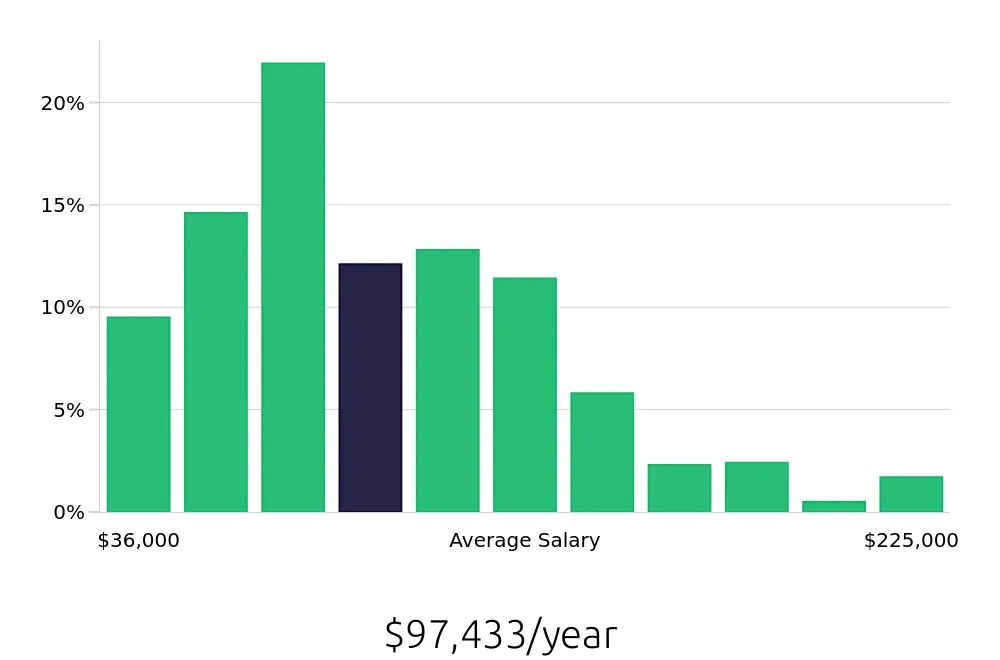
Area Directors can also expect a competitive salary. The average national annual compensation stands at $66,450, with an hourly rate of $31.95. This compensation reflects the value placed on the leadership and management skills that Area Directors bring to their organizations. For professionals aiming for a rewarding and stable career, this role offers both growth and financial benefits.