Position
Overview
An Assembly Technician plays a crucial role in the manufacturing process. They work on production lines, putting together various parts to create finished products. This position requires attention to detail and the ability to follow precise instructions. Technicians often work with machinery and tools to ensure each product meets quality standards. The work environment can be fast-paced, demanding efficiency and accuracy.
Assembly Technicians collaborate with other team members, including quality inspectors and engineers. They communicate effectively to report issues and suggest improvements. Continuous learning is important in this role, as new products and manufacturing techniques are introduced. Technicians must be adaptable and willing to take on new challenges. This role is essential for the smooth operation of manufacturing facilities and the timely delivery of products to customers.
Pursuing a career as an Assembly Technician offers a stable path in the manufacturing industry. This role involves assembling products, ensuring they meet quality standards, and working within a team environment. To achieve this career, one must follow a structured process to gain the necessary skills and qualifications.
Below is an outline of the steps to become an Assembly Technician:
The time it takes to become an Assembly Technician can vary. This role involves working with different parts to build products. Most people start with a high school diploma or GED. Some may then complete a vocational training program.
These programs can last from a few months to two years. They teach essential skills needed for the job. Completing a program often leads to a certificate or diploma. This shows job seekers have the necessary skills. Employers often look for these credentials when hiring. After gaining experience, some technicians may choose to advance their skills with more training or education. This can lead to better job opportunities and higher pay.
In summary, becoming an Assembly Technician involves some training and education. The journey can take a few months to a couple of years. With the right credentials, job seekers can find rewarding work in this field.
The Assembly Technician will be responsible for performing a variety of assembly tasks on products, ensuring the quality and integrity of the final assembled product. This role involves working with precision equipment, following detailed assembly instructions, and maintaining a clean and organized work area.
Responsibilities:
Qualifications
An Assembly Technician plays a crucial role in various industries, bringing components together to create finished products. This job often takes place in factories and production environments. The role involves following precise instructions, operating machinery, and ensuring quality standards. Assembly Technicians work closely with team members and supervisors to meet production goals.
Choosing a career as an Assembly Technician has both advantages and challenges. Consider the following pros and cons to make an informed decision.
Weighing these pros and cons can help you decide if this career suits your skills and interests.
Choosing a career as an Assembly Technician offers stable job prospects and a solid income. According to the Bureau of Labor Statistics (BLS), there are approximately 37,800 job positions available each year. This means a consistent number of opportunities for job seekers each year. Over the next decade, job openings are expected to grow by 1.8%, providing a steady outlook for those in the field.
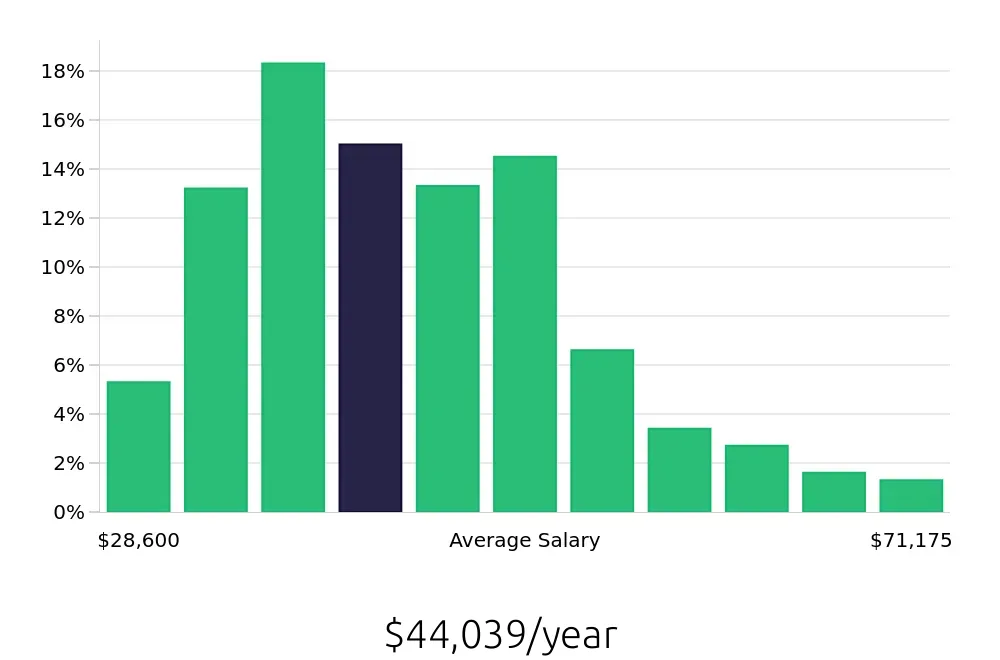
The average annual salary for Assembly Technicians stands at $70,080, reflecting a stable financial foundation. Hourly compensation is around $33.69, indicating a rewarding pay rate for those in the profession. These figures highlight the potential for a decent income and financial security for those pursuing this career path. With a growing demand for manufactured goods, skilled Assembly Technicians can expect a dependable job market.
For job seekers, the role of an Assembly Technician promises both stability and opportunity. With a consistent number of job positions and a modest growth rate, the career path offers a reliable job outlook. The average salary and hourly pay also provide a clear picture of the financial benefits one can expect. This profession not only offers a stable income but also a chance to be part of an industry that continues to grow.