What does a Automotive Service Advisor do?
An Automotive Service Advisor plays a key role in a car dealership. They help customers understand what their cars need. They explain repairs and services clearly. They also make sure customers get the best service possible. Advisors take the time to listen to customers. They ask the right questions to understand what the problem is. This helps them give the best advice.
These advisors work closely with mechanics and technicians. They communicate the details of each service. They ensure the team knows exactly what to do. Advisors also schedule appointments. They manage the service process from start to finish. They keep customers informed about the progress. Their goal is to make sure customers are happy. They want to make sure their cars are running smoothly.
How to become a Automotive Service Advisor?
Becoming an Automotive Service Advisor offers a rewarding career in the automotive industry. This role helps customers with vehicle maintenance and repairs. It also provides the chance to work in a fast-paced environment. Follow these steps to start a successful career in automotive service advising.
First, gaining knowledge about vehicles is essential. Automotive Service Advisors need to understand how cars work. This includes engine systems, brakes, and electronics. One can learn through formal education or on-the-job training. Many automotive service advisors start with a high school diploma or GED.
- Get formal education: Attend a technical school or community college. Courses in automotive technology are very helpful.
- Earn certifications: Look for certifications from organizations like ASE (Automotive Service Excellence). These certifications show expertise in various areas of automotive service.
- Gain experience: Work in a dealership or repair shop. Start in an entry-level position to learn the job. This experience is valuable for future advancement.
- Develop communication skills: Speak clearly with customers. Explain repairs and services in simple terms. Good communication helps build trust with customers.
- Network within the industry: Join professional groups and attend workshops. Building connections can lead to job opportunities and career growth.
How long does it take to become a Automotive Service Advisor?
A career as an Automotive Service Advisor offers a dynamic path in the automotive industry. This role typically requires a blend of formal education and practical experience. Most people enter the field with a high school diploma and complete a vocational training program. These programs usually take about one to two years. This combination prepares individuals to handle customer service and understand automotive repairs.
After completing a training program, many Automotive Service Advisors gain experience by working in a dealership. On-the-job training can take several months to a year. Gaining experience helps advisors learn the specific tools and software used in the industry. It also allows them to build relationships with customers and fellow technicians. Gaining certifications can further enhance job prospects. The Automotive Service Excellence (ASE) offers certifications that demonstrate expertise. These certifications can be earned through additional testing and experience.
Automotive Service Advisor Job Description Sample
An Automotive Service Advisor is responsible for greeting customers, understanding their needs, recommending the best service options, and ensuring a smooth and efficient service experience.
Responsibilities:
- Greet customers and assess their vehicle service needs
- Conduct preliminary vehicle inspections to identify required services
- Provide professional advice on necessary repairs and maintenance
- Explain service options, costs, and timelines clearly and accurately
- Schedule service appointments and manage service bookings
Qualifications
- High school diploma or equivalent required; additional automotive training preferred
- Previous experience as an Automotive Service Advisor or similar role
- Proficient understanding of automotive repair and maintenance
- Excellent communication and interpersonal skills
- Strong attention to detail and organizational skills
Is becoming a Automotive Service Advisor a good career path?
An Automotive Service Advisor connects customers with the right services for their vehicles. They work in auto repair shops or dealerships, helping customers understand their vehicle needs. This role involves talking with customers, reviewing vehicle issues, and explaining repair costs. It requires good communication skills and a solid understanding of cars and trucks.
Being an Automotive Service Advisor comes with many benefits. This position offers opportunities to work with a diverse group of people every day. It also provides the chance to learn more about vehicle mechanics and customer service. Many advisors find this role rewarding because it helps others and keeps communities moving. However, there are also challenges. Advisors often work in fast-paced environments and may need to handle difficult customer situations. The job can also be physically demanding, with long hours on one’s feet.
Here are some pros and cons of the career:
- Pros:
- Opportunities to interact with a variety of people
- Chance to learn about vehicle repairs and customer service
- Possibility to work in a supportive team environment
- Cons:
- Potential for dealing with difficult customers
- Physical demands of the job
- Irregular work hours, including evenings and weekends
What is the job outlook for a Automotive Service Advisor?
Becoming an Automotive Service Advisor offers promising job prospects. The Bureau of Labor Statistics (BLS) reports that, on average, 82,800 new positions open each year. This steady demand highlights the ongoing need for professionals skilled in this role. With a career that combines customer service and technical expertise, Automotive Service Advisors enjoy a stable job market.
The job outlook for Automotive Service Advisors remains positive, with a projected percent change of 1.6% from 2022 to 2032, according to the BLS. This growth indicates that the need for these skilled professionals will continue. Job seekers can expect opportunities in various settings, from independent garages to dealership service departments. This sector’s resilience through economic changes further supports a strong career path for those entering the field.
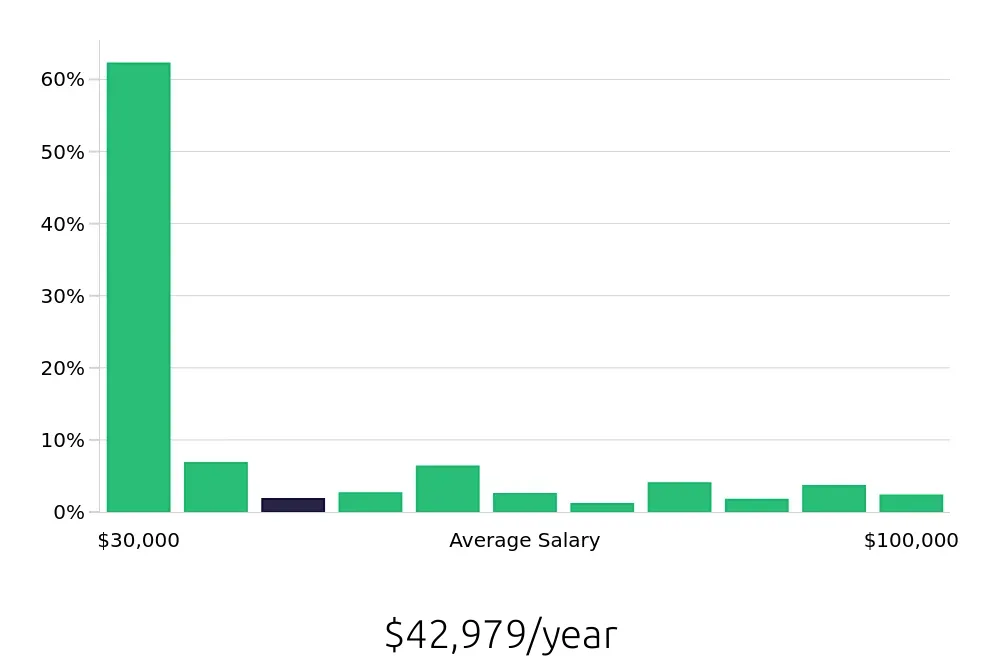
Automotive Service Advisors can expect an average national annual compensation of $52,410, as per the BLS. On an hourly basis, the average compensation stands at $25.20. These figures reflect a rewarding career with potential for growth and advancement. Combined with the job outlook and steady demand, these compensation levels make a career in this field attractive to many job seekers.
Currently 164 Automotive Service Advisor job openings, nationwide.
Continue to Salaries for Automotive Service Advisor