What does a Business Consultant do?
A Business Consultant works with companies to help improve their performance. They analyze current business practices and suggest changes that can lead to growth. These professionals look at data, talk to team members, and study market trends. They aim to make businesses run more smoothly and efficiently. A consultant may work in a variety of industries, each with its unique challenges and opportunities.
Business Consultants often create reports and present their findings to company leaders. They recommend new strategies and ways to save money. They might work on projects like improving a product, launching a new service, or entering a new market. Their goal is to help businesses make better decisions and achieve their goals. Consultants must stay up-to-date with industry trends and best practices to offer the best advice.
An effective Business Consultant should have strong analytical skills and a good understanding of business operations. They need to communicate clearly and work well with different teams. This role can be very rewarding, as consultants often see the direct impact of their work on a company’s success.
How to become a Business Consultant?
Becoming a Business Consultant involves a series of steps that blend education, experience, and networking. This career path offers the chance to advise companies on improving their performance. It demands a strong understanding of business operations, trends, and strategies.
The journey to becoming a Business Consultant starts with a solid educational foundation. Many find success with a bachelor's degree in business, finance, or a related field. Gaining experience in the industry adds value, whether through a job in a relevant sector or internships. Specializing in areas such as management, marketing, or finance can make a candidate more attractive to potential employers. Developing a network within the industry can lead to job opportunities and client referrals. Finally, obtaining certifications and continuing education in consulting can enhance a professional's credibility.
Here are five key steps to becoming a Business Consultant:
- Get a Relevant Degree: Start with a bachelor's degree in business, finance, or a related area.
- Gain Experience: Work in a related industry to build your skills and knowledge.
- Specialize: Focus on a particular area like management consulting or financial advising.
- Network: Connect with professionals in the consulting field for job leads and referrals.
- Get Certified: Consider obtaining certifications in consulting to boost your credentials.
How long does it take to become a Business Consultant?
Interest in becoming a business consultant often sparks questions about the timeline. Generally, the journey begins with obtaining a relevant degree, usually in business administration or a related field. This education typically lasts four years. After completing a bachelor’s degree, gaining experience in the field becomes crucial. Many professionals work for a few years in roles related to business or management. This practical experience helps build skills and knowledge.
Next, some consultants choose to further their education with a master's degree or a specialized certification. This can add another one to two years to the timeline. These advanced qualifications enhance expertise and credibility in the field. After education and experience, consultants often enter the profession as junior consultants or associates. They gain further experience and build their reputation over time. With dedication and skill, many consultants reach senior positions within five to ten years. The exact timeline can vary based on individual circumstances and career goals.
Business Consultant Job Description Sample
We are seeking a dynamic and experienced Business Consultant to join our team. The ideal candidate will have a strong background in business strategy, excellent analytical skills, and a proven track record of delivering successful business solutions. The Business Consultant will work closely with clients to understand their business challenges and provide tailored recommendations to drive growth and improve operational efficiency.
Responsibilities:
- Conduct in-depth analysis of client business operations and identify areas for improvement.
- Develop and present strategic business plans and recommendations to clients.
- Collaborate with clients to implement business solutions and measure their effectiveness.
- Stay updated on industry trends and best practices to provide cutting-edge consulting services.
- Build and maintain strong relationships with clients to ensure their satisfaction and long-term partnership.
Qualifications
- Bachelor's degree in Business Administration, Economics, or a related field.
- Minimum of 5 years of experience in business consulting or a similar role.
- Proven track record of delivering successful business solutions to clients.
- Strong analytical skills with the ability to interpret complex data and provide actionable insights.
- Excellent communication and presentation skills.
Is becoming a Business Consultant a good career path?
A Business Consultant plays a key role in helping companies improve their operations and achieve their goals. They analyze business processes, identify areas for improvement, and provide actionable recommendations. This career path offers diverse opportunities and challenges.
Business Consultants often enjoy a flexible work environment, working with various clients across different industries. They can choose to work independently or for consulting firms, which provides a range of experiences. However, the job can be demanding, requiring long hours and high levels of stress. Consultants must stay up-to-date with industry trends and continuously develop their skills.
Consider these pros and cons when thinking about a career as a Business Consultant:
- Pros:
- Diverse work experiences
- Competitive salary
- Opportunities for professional growth
- Cons:
- High stress levels
- Long working hours
- Constant need to update skills
What is the job outlook for a Business Consultant?
The job outlook for business consultants continues to show strong growth potential. The Bureau of Labor Statistics (BLS) reports that there are, on average, 92,900 job positions available each year. This indicates a robust demand for skilled consultants. These professionals help businesses improve their operations, increase efficiency, and boost profitability.
Looking ahead, the job outlook remains promising. The BLS predicts a 9.7% growth in job openings from 2022 to 2032. This growth suggests an increasing need for experts who can offer strategic advice and innovative solutions. Job seekers with strong analytical skills and business acumen will find many opportunities in this field. Companies across various industries rely on consultants to navigate challenges and seize new opportunities.
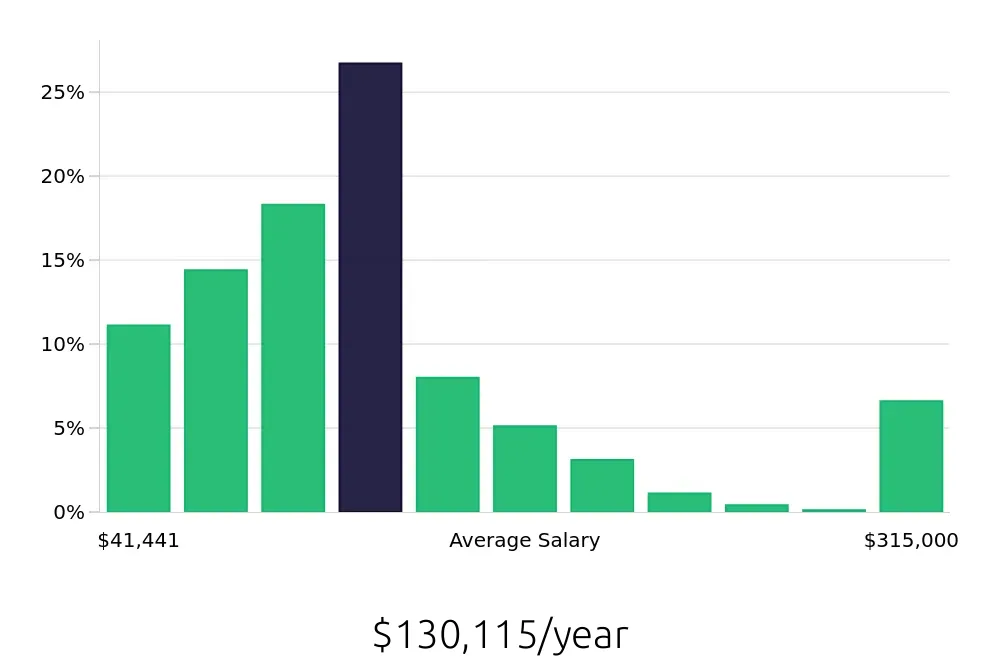
Compensation for business consultants is also attractive. According to the BLS, the average national annual salary is $115,530. Hourly, consultants earn an average of $55.54. These figures reflect the value that businesses place on their expertise and the impact they have on organizational success. Aspiring consultants can look forward to both job stability and rewarding financial benefits.
Currently 642 Business Consultant job openings, nationwide.
Continue to Salaries for Business Consultant