What does a Catering Manager do?
A Catering Manager plays a key role in planning and executing food services for events. This person works with clients to understand their needs and create menus that meet their preferences. The Catering Manager coordinates with kitchen staff to ensure timely preparation and delivery of meals. They oversee the setup and breakdown of events, ensuring everything runs smoothly. This role requires strong organizational skills and the ability to manage multiple tasks under pressure.
The Catering Manager also handles budgets and costs, ensuring that events are profitable. They work closely with vendors and suppliers to get the best deals. This position involves regular communication with clients to confirm details and address any concerns. The Catering Manager strives to provide excellent service and make each event a success. Attention to detail and customer service skills are essential for this job.
How to become a Catering Manager?
Becoming a Catering Manager involves a series of well-defined steps that lead to a successful career in the culinary and event management sectors. Catering Managers plan and oversee large-scale food services, often in high-pressure environments like hotels, restaurants, or event venues. Aspiring Catering Managers should follow a clear path to acquire the necessary skills and qualifications for the role.
To embark on this career, one must first complete a relevant educational program. This often includes a degree in hospitality management, culinary arts, or a related field. Alongside formal education, gaining experience in food service is crucial. Working in various kitchen roles builds the practical skills needed for managing a team and overseeing catering operations. Networking within the industry opens doors to job opportunities and professional growth. Finally, obtaining certifications in food safety and management can enhance a candidate's qualifications.
Here are the steps to become a Catering Manager:
- Obtain a degree in hospitality management or culinary arts.
- Gain experience by working in different kitchen roles.
- Network with professionals in the catering industry.
- Earn certifications in food safety and management.
- Apply for positions as an event coordinator or assistant catering manager to gain leadership experience.
How long does it take to become a Catering Manager?
Achieving the role of a Catering Manager involves a blend of education, experience, and skills. Most people start with a degree in hospitality management, culinary arts, or a related field. This education often takes about four years to complete at a university or college. Some may choose to gain experience in the field first, working their way up from entry-level positions.
After completing a degree or gaining experience, the next step involves working in various positions within the food service industry. This includes roles such as kitchen staff, event coordinator, or food service manager. Gaining practical experience helps to build essential skills and knowledge. This stage typically takes 2 to 5 years, depending on the individual's career path and opportunities. Networking with industry professionals and seeking mentorship can also speed up this process. Becoming a successful Catering Manager demands a combination of formal education, hands-on experience, and a passion for the culinary arts.
Catering Manager Job Description Sample
The Catering Manager is responsible for overseeing all catering operations to ensure high-quality food service at events and functions. This role involves menu planning, staff management, vendor coordination, and ensuring customer satisfaction.
Responsibilities:
- Develop and implement event menus that meet the specific needs and preferences of clients.
- Manage and supervise the catering staff, including hiring, training, and performance evaluations.
- Coordinate with vendors and suppliers to ensure timely delivery of ingredients and equipment.
- Oversee food preparation, presentation, and service during events to maintain high standards of quality.
- Handle all aspects of event setup, including equipment, decor, and layout.
Qualifications
- Bachelor's degree in Hospitality Management, Culinary Arts, or related field.
- Minimum of 5 years of experience in catering management or a similar role.
- Proven experience in event planning and execution.
- Strong leadership and team management skills.
- Excellent organizational and time-management skills.
Is becoming a Catering Manager a good career path?
Catering managers work in the food service industry, overseeing events where food is served. They ensure that food meets quality standards and that services run smoothly. This role combines culinary skills with event management. Catering managers often coordinate with clients, chefs, and staff to deliver exceptional service.
This career has many benefits and some challenges. The positives include the chance to work on interesting events and meet new people. Catering managers enjoy creative freedom in menu planning and presentation. Working in this role can lead to networking opportunities within the food service industry. However, challenges exist. The job can be stressful, especially during high-pressure events. It often requires long hours, including evenings and weekends. Catering managers also need to manage budgets and ensure all details are perfect.
Consider these pros and cons before pursuing a career as a catering manager:
- Pros:
- Creative freedom in menu planning
- Opportunities to work on unique events
- Networking within the food service industry
- Potential for career advancement
- Cons:
- High-pressure environments
- Long and irregular hours
- Budget management responsibilities
- Need to meet strict quality standards
What is the job outlook for a Catering Manager?
The role of a Catering Manager offers a promising job outlook for aspiring professionals. According to the Bureau of Labor Statistics (BLS), there are approximately 39,600 job positions available annually. This consistent demand underscores the value of skilled Catering Managers in the industry. Job openings are expected to grow by a modest 0.5% from 2022 to 2032, indicating a stable and reliable career path.
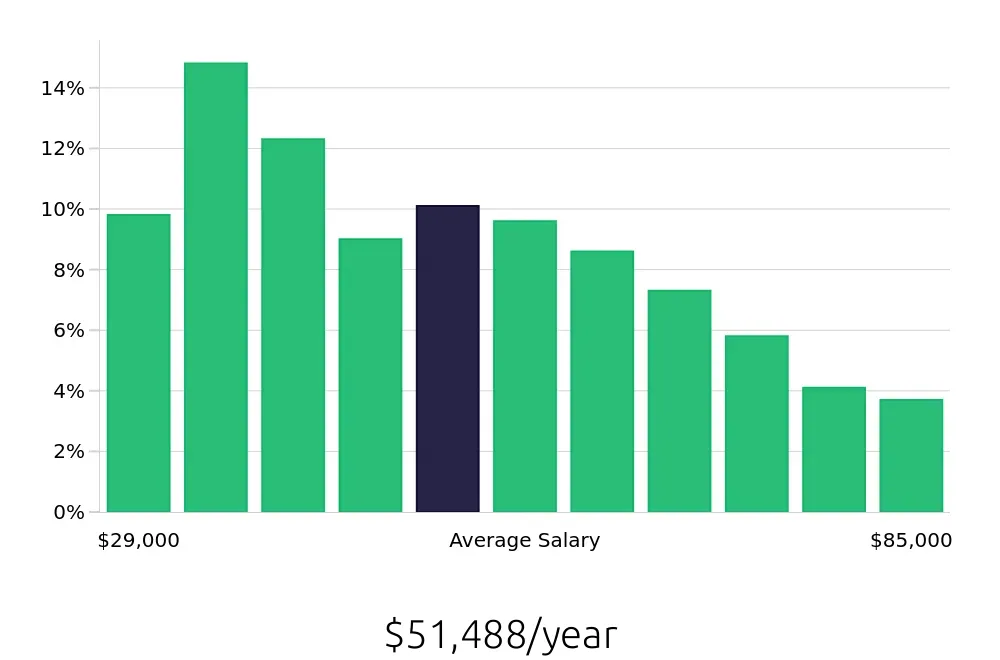
Catering Managers can expect a competitive salary as well. The average national annual compensation stands at $69,580. This figure reflects the expertise and responsibilities that come with managing catering services. Hourly compensation averages $33.45, providing a clear view of the earning potential in this field. Catering Managers who excel in their roles can look forward to rewarding financial benefits.
For job seekers, entering the field of Catering Management promises both stability and growth. With a solid job outlook and attractive compensation, this career is a viable option. Aspiring managers can aim for a profession that combines creativity with business acumen, ensuring a fulfilling and prosperous career.
Currently 449 Catering Manager job openings, nationwide.
Continue to Salaries for Catering Manager