What does a Catering Manager do?
A Catering Manager oversees the entire food service operation in various settings such as hotels, restaurants, and event venues. This role involves planning and coordinating menus, ensuring high-quality food preparation, and managing staff. The Catering Manager must ensure that all events run smoothly, from the initial planning stages to the final execution. They work closely with clients to understand their needs and preferences, crafting meals that meet those requirements. Attention to detail is crucial, as the Catering Manager must adhere to dietary restrictions and maintain food safety standards.
Responsibilities of a Catering Manager include budgeting, purchasing supplies, and overseeing inventory. They must manage staff schedules, delegate tasks, and train new employees. This position requires strong leadership skills and the ability to work under pressure, particularly during busy events. The Catering Manager must also stay updated with food trends and industry best practices. A successful Catering Manager ensures that all guests have an enjoyable dining experience, leaving a lasting positive impression.
How to become a Catering Manager?
Becoming a Catering Manager requires dedication and the right steps. Catering Managers oversee the planning and execution of food and beverage services for events. This career path offers many opportunities for those with a passion for hospitality and event management.
Here are five essential steps to start a career as a Catering Manager:
- Get a relevant education: Start with a high school diploma or GED. Consider pursuing a degree in hospitality management, culinary arts, or business. A degree can provide essential skills and knowledge.
- Gain experience: Look for entry-level jobs in the food service industry. Positions such as server, kitchen assistant, or event coordinator can be valuable. Experience helps understand the industry and builds a strong resume.
- Specialize in catering: Seek positions that focus on catering. Work in banquets, event planning, or food service management. This specialization is crucial for a career in catering management.
- Develop management skills: Learn to manage teams, handle budgets, and coordinate events. These skills are essential for a Catering Manager. Consider taking courses in business management or hospitality management.
- Network and advance: Connect with professionals in the industry. Join hospitality associations and attend events. Look for promotions within the company. Networking can lead to job opportunities and career growth.
How long does it take to become a Catering Manager?
The path to becoming a Catering Manager has several steps. Many people start with a high school diploma or equivalent. They then gain experience in the food service industry. This could be through entry-level jobs like kitchen staff or server. Working in these roles helps them understand the food service world.
After gaining some experience, many pursue higher education. A degree in hospitality management or a related field can be very helpful. Some even get certifications in food safety and management. This combination of experience and education often takes between two to four years. This timeline can vary based on the individual's dedication and the type of education they choose. Many find that this investment of time leads to better job opportunities and higher pay in the long run.
Catering Manager Job Description Sample
The Catering Manager is responsible for overseeing the planning, coordination, and execution of catering services for events and functions. This role involves managing a team of catering staff, ensuring high-quality service, and maintaining strong relationships with clients and vendors.
Responsibilities:
- Oversee the planning and execution of catering events, including menu development, staffing, and logistics.
- Manage and supervise the catering team, including scheduling, training, and performance evaluation.
- Develop and maintain relationships with clients, understanding their needs and preferences, and ensuring their satisfaction with catering services.
- Collaborate with event planners, venue managers, and other stakeholders to ensure seamless service delivery.
- Source and negotiate with vendors for catering supplies, equipment, and services.
Qualifications
- Bachelor’s degree in Hospitality Management, Culinary Arts, or a related field.
- Proven experience as a Catering Manager or similar role, with a strong understanding of catering operations.
- Excellent leadership and team management skills.
- Strong organizational and planning abilities.
- Proficient in budgeting, cost control, and financial management.
Is becoming a Catering Manager a good career path?
A career as a Catering Manager offers the chance to blend creativity with leadership. Catering Managers plan and oversee events, ensuring everything runs smoothly. This role often involves coordinating with chefs, servers, and other staff to deliver exceptional service. Success in this role can bring a sense of accomplishment and the satisfaction of seeing happy clients. It is a great choice for those who enjoy working in a dynamic environment and thrive in a fast-paced setting.
This career path has its perks and challenges. Catering Managers often enjoy flexible work hours, especially during peak event seasons. They also have the opportunity to network with a variety of clients and industry professionals. However, the job can be demanding, with long hours and high pressure, especially during busy periods. Catering Managers must also handle budgets and manage staff efficiently. Balancing these aspects can be tough but rewarding for those who enjoy a challenge.
Consider these pros and cons before pursuing this career:
- Pros:
- Flexible work hours during peak seasons
- Opportunity to network with clients and industry professionals
- Creativity and innovation in event planning
- Cons:
- Long and demanding work hours
- High-pressure situations during busy periods
- Responsibility for managing budgets and staff
What is the job outlook for a Catering Manager?
The job outlook for Catering Managers is positive, making it a great career choice for job seekers. According to the Bureau of Labor Statistics (BLS), an average of 39,600 job positions open each year. This outlook remains stable with a projected 0.5% change in job openings from 2022 to 2032. Catering Managers can expect a steady demand in the industry, offering reliable career opportunities.
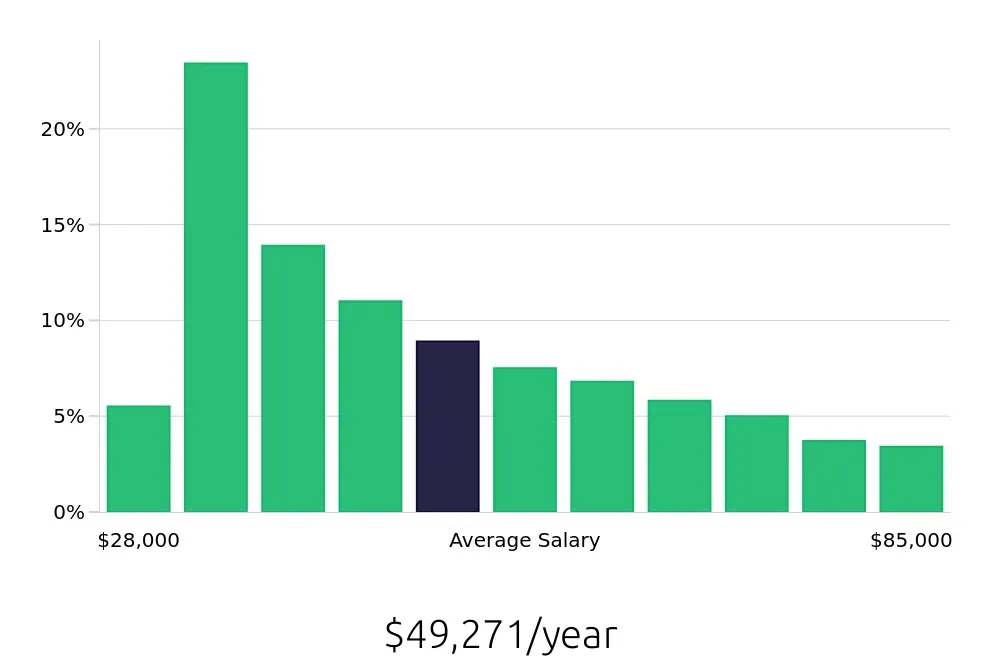
Professionals in this role enjoy competitive compensation. The BLS reports an average annual salary of $69,580. This translates to an hourly wage of about $33.45. Catering Managers can expect a rewarding financial package, reflecting the importance of their role in managing events and ensuring client satisfaction. This compensation is attractive for those considering a career in catering management.
Catering Managers oversee the planning and execution of food services for events. They coordinate with vendors, manage budgets, and ensure quality service. This role is essential in the hospitality industry, offering a blend of creativity and business management. Job seekers interested in this field can look forward to a dynamic and rewarding career path.
Currently 710 Catering Manager job openings, nationwide.
Continue to Salaries for Catering Manager