What does a Challenging Behavior Consultant do?
A Challenging Behavior Consultant plays a vital role in helping individuals with behavioral difficulties. This professional assesses and develops strategies to manage and improve challenging behaviors. They work closely with individuals, families, and other professionals to create personalized behavior intervention plans. Their goal is to enhance the individual's quality of life and promote positive behavior changes.
The consultant conducts thorough assessments to understand the root causes of the behavior. They analyze the individual's environment, routines, and interactions. This allows them to identify triggers and patterns. Based on their findings, they design and implement effective behavior support plans. These plans often include training for caregivers and staff on how to handle challenging behaviors. They also provide ongoing support and monitoring to ensure the strategies are working.
- Conduct assessments to understand behavioral issues.
- Design personalized behavior intervention plans.
- Train caregivers and staff on managing challenging behaviors.
- Monitor and adjust strategies to ensure effectiveness.
How to become a Challenging Behavior Consultant?
Becoming a Challenging Behavior Consultant involves a series of well-defined steps. This rewarding career helps individuals manage difficult behaviors, improving their quality of life. To embark on this path, follow these essential steps:
- Gain the necessary education. Most employers prefer a bachelor’s degree in psychology, social work, or a related field. Advanced degrees can enhance job prospects.
- Develop relevant experience. Work in settings such as schools, clinics, or hospitals. Practical experience with individuals exhibiting challenging behaviors is crucial.
- Obtain certifications. Look for certifications like the Board Certified Behavior Analyst (BCBA) or other specialized credentials. These add credibility and improve job opportunities.
- Network within the field. Join professional organizations and attend workshops. Building connections can open doors to job opportunities and mentorship.
- Apply for positions. Tailor each application to the job description. Highlight relevant experience and skills. Prepare for interviews by practicing common questions.
Embarking on this journey requires dedication and patience. Each step builds the foundation for a successful career as a Challenging Behavior Consultant. With the right approach, you can make a significant impact in this rewarding field.
How long does it take to become a Challenging Behavior Consultant?
Becoming a Challenging Behavior Consultant involves a clear path through education and experience. Starting with a bachelor's degree in psychology, special education, or a related field is common. Most programs take four years to complete. Some consultants choose to pursue a master's degree, which adds another two years.
After completing an undergraduate degree, gaining experience is key. Many find jobs as behavior technicians or support workers. This hands-on experience helps build the necessary skills. Networking with professionals and seeking mentorship also speeds up the learning process. Most consultants enter the field with a mix of formal education and real-world experience, which usually takes about five to seven years.
Challenging Behavior Consultant Job Description Sample
We are seeking a highly skilled Challenging Behavior Consultant to join our team. The ideal candidate will have a strong background in behavioral analysis and intervention, with a focus on developing effective strategies to address challenging behaviors in individuals with developmental or mental health disorders. The consultant will work closely with clients, their families, and other professionals to create and implement individualized behavior support plans.
Responsibilities:
- Conduct thorough assessments to identify the causes and triggers of challenging behaviors.
- Develop and implement individualized behavior support plans based on assessment findings.
- Train and support clients, families, and staff in the implementation of behavior support strategies.
- Collaborate with a multidisciplinary team, including psychologists, educators, and therapists, to ensure comprehensive care.
- Monitor and evaluate the effectiveness of behavior support plans and make adjustments as necessary.
Qualifications
- Master's or Doctoral degree in Psychology, Special Education, Applied Behavior Analysis, or a related field.
- Board Certified Behavior Analyst (BCBA) or willingness to obtain certification within a specified timeframe.
- Proven experience working with individuals with challenging behaviors, particularly in educational or clinical settings.
- Strong understanding of behavioral principles and evidence-based interventions.
- Excellent communication and interpersonal skills, with the ability to work effectively with diverse populations.
Is becoming a Challenging Behavior Consultant a good career path?
A Challenging Behavior Consultant works with individuals who have behavioral difficulties. This role requires strong communication skills, patience, and a deep understanding of behavioral science. These consultants assess behaviors, develop plans to address them, and help individuals learn new skills. The work environment can vary, including schools, homes, and clinics.
Choosing this career path has its advantages and disadvantages. Here are some pros and cons to consider:
- Pros:
- Helping others improves their quality of life.
- Opportunities to work with diverse populations.
- Potential for job satisfaction and personal growth.
- Cons:
- Working with challenging behaviors can be emotionally taxing.
- May require long hours and flexibility in scheduling.
- Limited advancement opportunities in some areas.
What is the job outlook for a Challenging Behavior Consultant?
A role as a Challenging Behavior Consultant offers promising career growth and stability. The U.S. Bureau of Labor Statistics (BLS) reports around 12,800 job positions available each year. This trend indicates a steady demand for professionals skilled in managing and improving behaviors. With this consistent demand, job seekers can expect reliable opportunities in this field.
The job outlook for Challenging Behavior Consultants remains strong, with a projected growth of 6.1% from 2022 to 2032, according to the BLS. This growth reflects the increasing recognition of behavioral health services and their importance across various sectors. As awareness and need for these services rise, so does the opportunity for dedicated professionals. This growth provides a positive forecast for those entering or considering this career path.
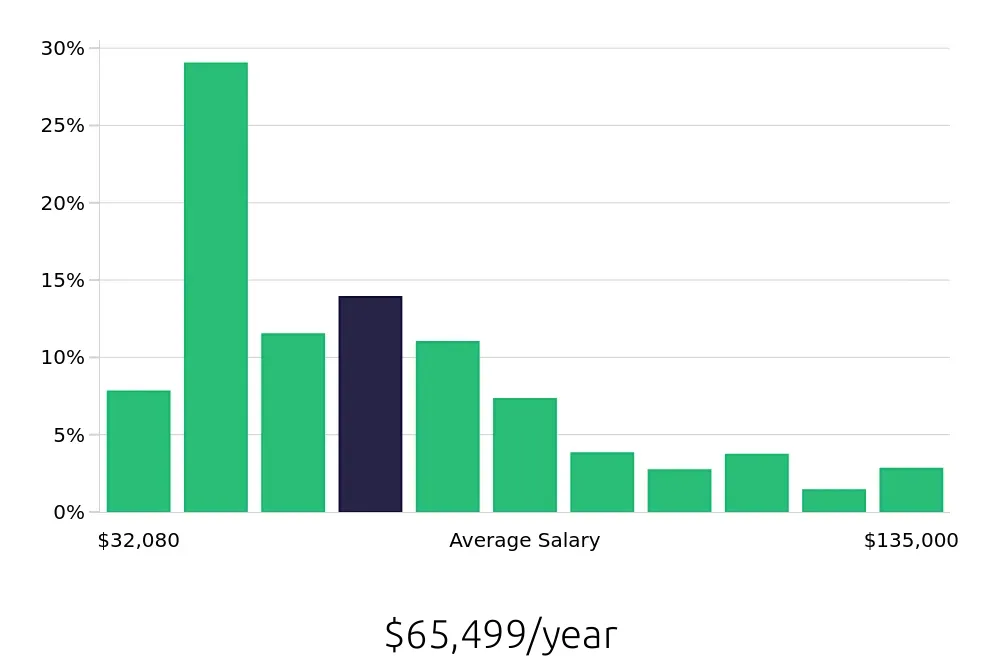
Financial rewards in this profession are also noteworthy. The average national annual compensation for Challenging Behavior Consultants stands at $101,170, with an hourly rate of $48.64, as per BLS data. These figures highlight the lucrative nature of the role, making it an attractive option for job seekers looking for both meaningful work and competitive pay. Such compensation speaks to the value placed on expertise in behavioral consultation, offering both professional fulfillment and financial security.
Currently 90 Challenging Behavior Consultant job openings, nationwide.
Continue to Salaries for Challenging Behavior Consultant