What does a Claims Examiner do?
A Claims Examiner plays a crucial role in the insurance industry. This professional carefully reviews claims submitted by policyholders. The goal is to determine the validity and extent of coverage. The Claims Examiner examines all documentation and investigates the facts of each case. They assess the damages or losses reported. This ensures that claimants receive fair compensation. They must also ensure the company adheres to its policies and legal requirements.
The work of a Claims Examiner involves various tasks. This includes interviewing claimants, inspecting damaged property, and consulting with adjusters. They need strong analytical skills to evaluate the information. Claims Examiners must also communicate effectively with clients. They explain the claims process and decisions. Their decisions impact both the policyholder and the insurance company. Therefore, they need to be thorough and fair in their assessments. The role requires a blend of technical knowledge, attention to detail, and interpersonal skills.
- Review claims documentation
- Investigate facts of each case
- Assess damages or losses reported
- Interview claimants
- Inspect damaged property
- Consult with adjusters
- Communicate decisions with clients
How to become a Claims Examiner?
Becoming a Claims Examiner can lead to a fulfilling career in insurance or related fields. This role involves evaluating insurance claims, determining coverage, and deciding on payments. Here’s a clear path to get started in this profession.
The journey to becoming a Claims Examiner often includes several key steps. Each step builds on the previous one, leading to a successful career in claims management.
- Earn a High School Diploma or GED: Start with a high school diploma or GED. This is the first step to enter the job market.
- Pursue a Relevant Degree: Consider a degree in business, finance, or insurance. Many employers prefer candidates with a degree.
- Gain Experience: Look for entry-level jobs in insurance or customer service. Experience helps build skills needed for claims work.
- Obtain Certification: Get certified through organizations like the American Institute for Chartered Property Casualty Underwriters (CPCU). Certification can boost job prospects.
- Apply for a Claims Examiner Position: With education and experience, apply for jobs. Tailor each application to the specific company and role.
How long does it take to become a Claims Examiner?
Becoming a Claims Examiner can offer a rewarding career path. It involves assessing claims for insurance, handling investigations, and communicating with policyholders. This role demands strong attention to detail and excellent communication skills. Generally, it takes about two to four years to enter this field.
First, a high school diploma or equivalent is needed. Some individuals opt for a two-year associate degree in insurance or a related field to gain a competitive edge. Others may choose to pursue a four-year bachelor’s degree. Many employers prefer candidates with some college education. After completing the necessary education, the next step is to gain relevant experience. This often involves working in an entry-level position within the insurance industry. Gaining hands-on experience helps build the skills needed to succeed as a Claims Examiner.
Claims Examiner Job Description Sample
The Claims Examiner is responsible for evaluating, processing, and settling claims in a timely and accurate manner. This role requires strong analytical skills and attention to detail to ensure that claims are handled efficiently and in compliance with company policies and regulations.
Responsibilities:
- Review and evaluate claims for validity, completeness, and compliance with company policies and regulations.
- Investigate claims by interviewing claimants, reviewing documents, and analyzing information to determine the validity and extent of claims.
- Analyze and interpret data to assess the risk and potential liability associated with claims.
- Communicate with claimants, policyholders, and other stakeholders to provide information and updates regarding the status of claims.
- Negotiate and settle claims, ensuring that settlements are fair and within company guidelines.
Qualifications
- Bachelor’s degree in Business, Finance, Insurance, or a related field.
- Minimum of 2-3 years of experience in claims processing, preferably in the insurance industry.
- Strong analytical and problem-solving skills with attention to detail.
- Excellent communication and interpersonal skills, with the ability to negotiate and settle claims effectively.
- Knowledge of insurance policies, regulations, and legal requirements related to claims processing.
Is becoming a Claims Examiner a good career path?
A Claims Examiner plays a vital role in the insurance industry. This professional reviews claims made by policyholders to determine the validity of the request. They assess the damage or loss, check the policy coverage, and decide whether to approve or deny the claim. It requires strong analytical skills and attention to detail. This role offers a clear career path with potential for advancement to higher positions such as Claims Manager or Underwriter.
Working as a Claims Examiner comes with its own set of benefits and challenges. Consider these pros and cons to understand if this career suits your skills and interests.
- Pros:
- Opportunities for growth and advancement.
- Skills in problem-solving and decision-making are developed.
- Variety of industries to work in, such as property, casualty, and health insurance.
- Potential for a stable and consistent income.
- Cons:
- Exposure to claims that involve serious accidents or illnesses can be emotionally challenging.
- May require working long hours, including evenings and weekends.
- The job can be repetitive and desk-bound, focusing mainly on paperwork.
- Dealing with difficult or uncooperative claimants can be stressful.
What is the job outlook for a Claims Examiner?
Becoming a Claims Examiner offers an opportunity to work in a stable and important field. According to the Bureau of Labor Statistics (BLS), around 21,500 job positions open each year. This is a solid number for job seekers to consider. Although the outlook shows a small decline of -3.1% from 2022 to 2032, it still presents a fair chance for career advancement. Job seekers should keep an eye on this trend but not be discouraged.
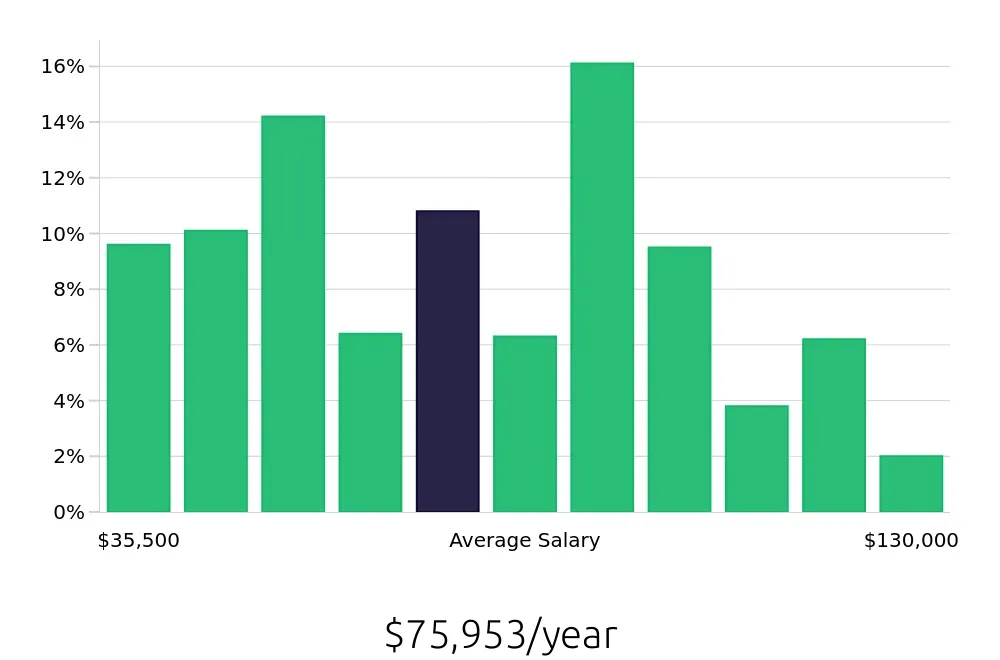
One appealing aspect of this role is the compensation. The average national annual pay for Claims Examiners is $75,760, as reported by the BLS. This figure can vary based on experience, location, and the specific employer. Additionally, the hourly wage averages around $36.43, which is competitive and attractive for those looking to enter the field. This pay scale reflects the skills and responsibilities required in this profession.
Claims Examiners play a crucial role in the insurance industry. They evaluate insurance claims to determine coverage and settlements. This job involves analyzing documents, interviewing claimants, and assessing damages. It requires a blend of analytical skills and customer service. For job seekers with these skills, the demand and compensation make this a worthwhile career path to explore. Keeping an eye on industry trends and continuously updating skills can enhance job prospects.
Currently 232 Claims Examiner job openings, nationwide.
Continue to Salaries for Claims Examiner