What does a Claims Representative do?
A Claims Representative plays a crucial role in the insurance and finance sectors. This professional evaluates insurance claims submitted by policyholders. They review the details, assess the validity, and decide the appropriate compensation. Each claim involves understanding the policy terms, collecting necessary documentation, and communicating with policyholders to gather more information. A Claims Representative ensures that claims are processed accurately and efficiently. They work to resolve disputes and provide a fair settlement.
The day-to-day tasks of a Claims Representative include examining claim forms, conducting investigations, and analyzing evidence. They must be detail-oriented and have a solid understanding of insurance policies. Effective communication skills are essential, as they interact with claimants, insurance agents, and other stakeholders. This role requires a blend of analytical skills, empathy, and a commitment to customer service. A Claims Representative aims to provide timely resolutions and maintain the trust of the policyholders.
How to become a Claims Representative?
A Claims Representative plays a vital role in the insurance industry, evaluating and settling insurance claims. This profession requires attention to detail and strong communication skills. Job seekers who want to become a Claims Representative can follow a clear path to achieve this goal.
The process starts with gaining the necessary education and experience. Most employers require at least a high school diploma, with a college degree preferred. Courses in business, finance, and communications can be beneficial. Working in customer service or related fields can provide valuable experience. Gaining experience in the insurance industry can be a significant advantage.
- Earn a high school diploma or GED. This is the first step toward a career as a Claims Representative.
- Pursue further education. Consider a bachelor’s degree in business administration, finance, or a related field.
- Gain relevant work experience. Seek jobs in customer service, sales, or administrative roles to build skills.
- Get certified. Obtain certifications from recognized organizations, which can enhance your credentials.
- Apply for jobs. Look for openings with insurance companies and related firms to start your career.
How long does it take to become a Claims Representative?
Interested in a career as a Claims Representative? It's a rewarding path that combines problem-solving with helping others. Many people find satisfaction in this role. Knowing how long it takes to become one can help you plan your career steps. Generally, it takes about one to two years to get the necessary education and training.
Most employers require a high school diploma as the first step. After that, you can earn a certificate or an associate's degree in insurance or business administration. These programs often take one to two years. Some people choose to get more education, like a bachelor's degree, to increase their job options. This can add another one to two years. Internships and on-the-job training also help. They give you practical experience that makes you ready for the job.
Claims Representative Job Description Sample
We are seeking a skilled and detail-oriented Claims Representative to join our team. The ideal candidate will be responsible for managing and evaluating insurance claims, ensuring accuracy and compliance with company policies. This role requires excellent communication skills and the ability to work under pressure to meet deadlines.
Responsibilities:
- Investigate and evaluate claims submitted by policyholders.
- Review and analyze policy documents to determine coverage and liability.
- Communicate with policyholders, claimants, and other stakeholders to gather necessary information.
- Determine the validity of claims and assess the extent of coverage.
- Coordinate with other departments to process and approve claims.
Qualifications
- Bachelor’s degree in Business, Finance, or a related field.
- Minimum of 2-3 years of experience in claims management or a related role.
- Strong understanding of insurance policies and procedures.
- Excellent analytical and problem-solving skills.
- Proficient in Microsoft Office Suite and claims management software.
Is becoming a Claims Representative a good career path?
A Claims Representative plays a key role in the insurance industry. They assess claims made by policyholders and decide what compensation is due. This role requires strong communication skills and attention to detail. They work closely with customers, helping them through difficult times. The job involves a mix of office work and field visits, depending on the type of claims.
The career offers several advantages. First, it provides a stable job with good earning potential. Good representatives often get bonuses for managing claims efficiently. The work environment is usually supportive, with opportunities for career growth. However, there are challenges to consider. The job can be stressful, especially when dealing with large or complex claims. Representatives also face tight deadlines, which can add to the pressure. Balancing multiple claims at once requires strong organizational skills.
Here are some pros and cons to think about:
- Pros:
- Stable job with good earnings
- Helping people in tough situations
- Opportunities for career growth
- Potential for bonuses
- Cons:
- Stress from dealing with difficult claims
- Tight deadlines to meet
- Need for strong organizational skills
- Potential for long hours, especially during claim surges
What is the job outlook for a Claims Representative?
Job seekers looking to enter the insurance industry may find the role of a Claims Representative both rewarding and stable. The Bureau of Labor Statistics (BLS) reports an average of 21,500 job positions available annually, showcasing the demand for these professionals. With this number, job seekers have ample opportunities to enter the field. The role involves handling claims and compensating policyholders, a crucial task in the insurance sector.
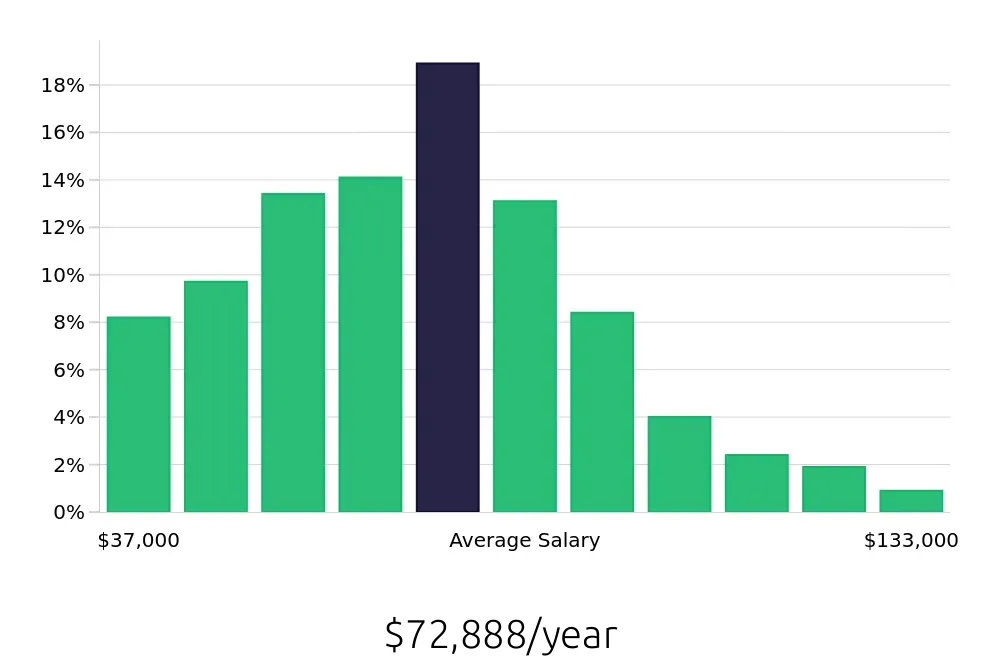
Although the job outlook for Claims Representatives shows a projected decrease of 3.1% from 2022 to 2032, according to BLS data, this does not diminish the importance of the role. This change reflects market dynamics rather than a decline in demand for the skill set. Job seekers should view this as an opportunity to gain experience and advance in their careers. The BLS also reports an average annual salary of $75,760, with an hourly rate of $36.43, indicating a solid compensation package for those in the field.
Entering the claims representation field offers not just a stable career but also a lucrative one. The BLS figures highlight the consistent need for skilled professionals in this area. With the right qualifications and a proactive approach, job seekers can secure a position that provides both financial stability and professional fulfillment. The combination of steady job availability, a reasonable salary, and the chance to make a tangible difference in people's lives makes this career path appealing.
Currently 2,253 Claims Representative job openings, nationwide.
Continue to Salaries for Claims Representative