What does a Clinical Appeals Reviewer do?
A Clinical Appeals Reviewer examines healthcare-related appeals. This person ensures that the correct medical procedures have taken place. They review claims submitted by patients or healthcare providers. They assess if the decisions made by insurance companies are fair and accurate. This role plays a key part in healthcare services and patient satisfaction.
The Clinical Appeals Reviewer works closely with healthcare professionals. They use their knowledge of medical practices and insurance policies. This person evaluates medical records and documentation. They ensure that treatments and services align with established guidelines. This reviewer helps to resolve disputes and improve healthcare quality. They work to maintain fairness in the healthcare system.
How to become a Clinical Appeals Reviewer?
Becoming a Clinical Appeals Reviewer involves several clear and achievable steps. This role is vital for ensuring that healthcare decisions are fair and just. It requires specific skills and knowledge in the medical field.
Individuals interested in this career should follow a structured path. This path involves education, experience, and certification. It ensures that one is well-prepared to handle the responsibilities of the job. Below are the key steps to become a Clinical Appeals Reviewer:
- Earn a Relevant Degree. A bachelor’s degree in healthcare, nursing, or a related field is essential. This education provides the foundational knowledge needed.
- Gain Relevant Experience. Working in a healthcare setting is crucial. Experience in areas like insurance, patient care, or medical records will be beneficial.
- Obtain Necessary Certifications. Certifications such as the Certified Professional in Healthcare Quality (CPHQ) can enhance qualifications. These certifications validate expertise and commitment to the field.
- Develop Strong Analytical Skills. A Clinical Appeals Reviewer needs to analyze medical records and patient data. Strong analytical skills are essential for making fair and accurate decisions.
- Apply for Positions. Look for job openings in healthcare companies or insurance firms. Tailor resumes and cover letters to highlight relevant experience and skills.
How long does it take to become a Clinical Appeals Reviewer?
Interested in becoming a Clinical Appeals Reviewer? This role involves reviewing healthcare decisions and making sure they are fair and correct. Most people find this job rewarding. The time to become a reviewer can vary. Some people finish their training in a few months. Others might take longer if they need more education or experience.
To start, a high school diploma is needed. Some employers may require more, like an associate's or bachelor's degree. Programs can help gain needed skills and knowledge. These programs often take a year or two to complete. Experience in healthcare can be very helpful. Many people start with entry-level jobs in healthcare. This can take about one to two years. Once trained, the journey to becoming a Clinical Appeals Reviewer is complete.
Clinical Appeals Reviewer Job Description Sample
The Clinical Appeals Reviewer plays a critical role in evaluating and reviewing clinical appeals for insurance or healthcare services. This role involves assessing the validity of claims, ensuring adherence to clinical policies and guidelines, and making informed decisions to uphold the integrity of the organization's appeal processes.
Responsibilities:
- Evaluate and review clinical appeals to determine the validity of claims based on clinical policies and guidelines.
- Analyze medical records, clinical documentation, and other relevant information to make informed decisions.
- Communicate with healthcare providers, insurance companies, and clients to gather necessary information and provide detailed feedback.
- Ensure compliance with regulatory requirements and internal policies during the review process.
- Document review findings and decisions in a clear and concise manner, ensuring accuracy and completeness.
Qualifications
- Registered Nurse (RN) or Licensed Physician with active licensure in the relevant jurisdiction.
- Minimum of 3-5 years of clinical experience in a healthcare setting, preferably with a focus on case management or utilization review.
- Strong knowledge of clinical guidelines, medical coding, and healthcare policies.
- Proficient in using electronic health records (EHR) and medical review software.
- Excellent analytical and critical thinking skills with the ability to interpret complex medical information.
Is becoming a Clinical Appeals Reviewer a good career path?
A Clinical Appeals Reviewer plays a key role in the healthcare industry. They review and assess appeals related to medical services, ensuring that claims are fairly evaluated. This role requires a strong understanding of medical terminology and healthcare regulations. Reviewers often work with insurance companies and healthcare providers to resolve disputes. It is a critical position that impacts patient care and satisfaction.
Working as a Clinical Appeals Reviewer comes with various benefits and challenges. Here are some pros and cons to consider before pursuing this career:
- Pros:
- You can help improve patient care by ensuring fair medical decisions.
- The role offers a stable job with good growth opportunities.
- It provides the chance to work closely with healthcare professionals.
- You can develop strong analytical and problem-solving skills.
- Cons:
- The job can be stressful due to the critical nature of the work.
- Long hours may be required, especially during peak periods.
- It demands continuous learning to stay updated on medical and insurance policies.
- There can be emotional strain from handling sensitive patient information.
What is the job outlook for a Clinical Appeals Reviewer?
The job outlook for Clinical Appeals Reviewers is promising, with an average of 2,100 positions opening each year. This role is essential in the healthcare industry, reviewing and processing appeals related to medical decisions. The U.S. Bureau of Labor Statistics (BLS) reports a 2.4% increase in job openings from 2022 to 2032. This steady growth reflects the ongoing need for professionals who can navigate the complex world of medical appeals and advocate for patients.
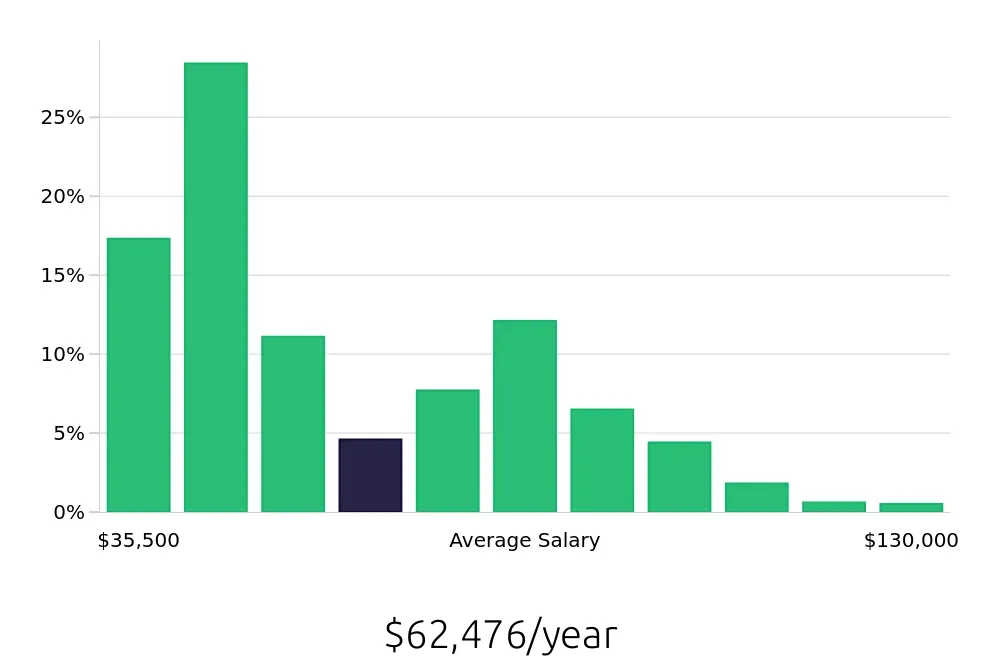
A Clinical Appeals Reviewer plays a crucial role in ensuring that patients receive fair and just medical decisions. This role often requires a strong background in healthcare, along with a keen understanding of both medical and insurance policies. The average national annual compensation for this role stands at $126,270, with an hourly rate of $60.71. These figures highlight the value placed on the expertise and critical thinking skills needed in this field. Job seekers with relevant experience and qualifications can look forward to competitive salaries and opportunities for growth.
The BLS data indicates a stable job market for Clinical Appeals Reviewers, making it an attractive career path for those interested in healthcare and patient advocacy. This role offers a blend of medical knowledge, policy understanding, and strong communication skills. With an increasing demand for professionals who can handle the intricacies of medical appeals, job seekers will find a rewarding and secure career in this field. The combination of steady job growth, competitive compensation, and the chance to make a significant impact on patient care makes Clinical Appeals Reviewing an appealing career choice.
Currently 89 Clinical Appeals Reviewer job openings, nationwide.
Continue to Salaries for Clinical Appeals Reviewer