What does a Clinical Research Nurse Coordinator do?
A Clinical Research Nurse Coordinator plays a key role in the healthcare field. They manage clinical trials and studies, ensuring they follow all guidelines and regulations. This position involves working closely with doctors, researchers, and other healthcare professionals. The coordinator helps to recruit patients, collect data, and monitor participants throughout the study.
The coordinator also communicates with patients about the study, answering any questions and addressing concerns. They keep detailed records of patient progress and study data. This position requires strong organizational skills and attention to detail. It involves working in a fast-paced environment and often collaborating with a team. The goal is to ensure the research is conducted ethically and effectively, contributing to medical advancements and better patient care.
How to become a Clinical Research Nurse Coordinator?
Becoming a Clinical Research Nurse Coordinator can open doors to a rewarding career in healthcare. This role involves managing clinical trials and ensuring they follow proper protocols. The process requires dedication and specific qualifications. Here are the steps to take to start this career:
- Get a Nursing Degree. Start with a Bachelor of Science in Nursing (BSN). This degree provides the necessary foundation in nursing care.
- Gain Nursing Experience. Work as a registered nurse (RN) for a few years. Experience in areas like oncology or critical care is beneficial.
- Consider Further Education. Many Clinical Research Nurse Coordinators hold a Master’s degree in Nursing (MSN). This advanced degree can enhance job prospects.
- Obtain Certification. Look into certifications like Certified Clinical Research Professional (CCRP). These credentials show expertise and commitment to the field.
- Apply for Clinical Research Nurse Coordinator Positions. Search for job openings that match your skills and qualifications. Tailor your resume to highlight relevant experience and certifications.
Each step brings you closer to a role that combines nursing care with clinical research. This career path allows one to contribute to medical advancements while helping patients directly.
How long does it take to become a Clinical Research Nurse Coordinator?
The journey to becoming a Clinical Research Nurse Coordinator combines education and hands-on experience. Most start with a nursing degree. A Bachelor of Science in Nursing (BSN) takes about four years. Many choose to continue their education with a Master’s in Nursing (MSN) for more advanced roles. This adds another two to three years to the timeline.
Experience plays a big role in this field. Clinical Research Nurse Coordinators need to work in healthcare settings. This helps them gain the necessary skills and knowledge. Working as a registered nurse (RN) for a few years builds the foundation. Positions in clinical trials or research settings offer valuable experience. Some employers prefer candidates with prior research experience. This can vary by employer and location.
Clinical Research Nurse Coordinator Job Description Sample
The Clinical Research Nurse Coordinator is responsible for managing and coordinating clinical research studies within a healthcare facility. This role involves working closely with physicians, researchers, and other healthcare professionals to ensure the smooth execution of clinical trials and adherence to regulatory standards.
Responsibilities:
- Oversee and coordinate clinical research studies, ensuring adherence to protocols and regulatory requirements.
- Recruit, screen, and enroll eligible patients into clinical trials.
- Conduct patient assessments, collect and document data, and perform study-related procedures.
- Ensure proper documentation and data management, maintaining accurate and complete records.
- Communicate with study sponsors, regulatory agencies, and internal stakeholders to report progress and resolve issues.
Qualifications
- Registered Nurse (RN) license in the state of employment.
- Bachelor's degree in Nursing (BSN) required; Master's degree preferred.
- Previous experience in clinical research or a healthcare setting is highly desirable.
- Strong knowledge of clinical research protocols, regulatory requirements, and Good Clinical Practice (GCP).
- Excellent communication and interpersonal skills.
Is becoming a Clinical Research Nurse Coordinator a good career path?
A Clinical Research Nurse Coordinator plays a key role in the medical research field. This role involves managing clinical trials and ensuring they follow proper protocols. It is a specialized position that combines nursing skills with research coordination. This career offers a unique blend of direct patient care and scientific inquiry.
The job of a Clinical Research Nurse Coordinator comes with its own set of pros and cons. On the positive side, this role provides the chance to work on cutting-edge medical research. It allows for the direct impact on patient care and outcomes. The job often includes collaboration with various healthcare professionals, making it a team-oriented environment. However, the role can also be demanding, requiring long hours and sometimes irregular schedules. It can be stressful due to the need for precision and adherence to strict protocols. Moreover, it may involve working in a fast-paced and sometimes high-pressure setting.
Considering these factors can help someone decide if this career path is the right fit for them.
Here are some pros and cons to consider:
- Pros:
- Opportunity to contribute to medical advancements.
- Direct impact on patient care and health outcomes.
- Collaborative work environment with other healthcare professionals.
- Cons:
- Potential for long and irregular working hours.
- High level of responsibility and need for precision.
- Stressful due to the critical nature of clinical trials.
What is the job outlook for a Clinical Research Nurse Coordinator?
Job seekers interested in clinical research may find a promising career as a Clinical Research Nurse Coordinator. The field offers a positive job outlook. The Bureau of Labor Statistics (BLS) reports an average of 6,500 job positions each year. This trend suggests a steady demand for professionals in this role.
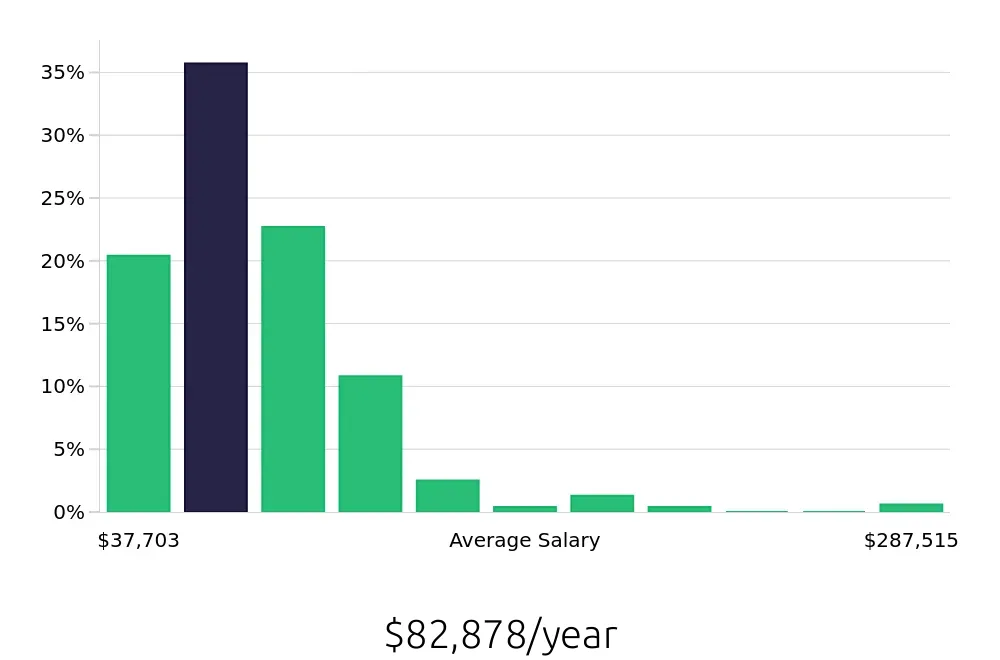
Looking ahead, job openings for Clinical Research Nurse Coordinators are expected to increase by 4.8% from 2022 to 2032. This growth indicates a positive trend in job availability. Job seekers can anticipate more opportunities as the field expands. The average annual compensation for these roles is $169,120, according to the BLS. This figure highlights the potential for a rewarding career in this area.
With an average hourly pay of $81.31, Clinical Research Nurse Coordinators can expect a competitive salary. This position combines the rewards of nursing with the excitement of clinical research. Job seekers in this field can look forward to both job stability and financial benefits.
Currently 157 Clinical Research Nurse Coordinator job openings, nationwide.
Continue to Salaries for Clinical Research Nurse Coordinator