What does a Critical Care Unit Manager do?
A Critical Care Unit Manager oversees the daily operations of a critical care unit within a healthcare facility. This role involves coordinating care for critically ill patients and managing a team of healthcare professionals. The manager ensures that all staff follow best practices and adhere to hospital policies.
Responsibilities include developing care plans, monitoring patient progress, and collaborating with doctors and other healthcare staff. The manager also handles administrative tasks such as budgeting, staffing, and maintaining patient records. This position requires strong leadership skills and the ability to work under pressure. Critical Care Unit Managers play a vital role in providing high-quality care to patients in need.
How to become a Critical Care Unit Manager?
Becoming a Critical Care Unit Manager can lead to a rewarding career in healthcare leadership. This role requires a combination of nursing experience, leadership skills, and a commitment to quality patient care. Here is a step-by-step guide to help navigate this career path.
First, build a strong foundation in nursing. Obtain a degree in nursing and gain experience in a critical care setting. Working as a Registered Nurse (RN) in an ICU can provide the necessary skills and insights into patient care. Gaining experience in different roles within the critical care unit will offer a well-rounded perspective on patient needs and operational challenges. Networking with current managers can provide valuable insights and mentorship.
- Earn a nursing degree: Start with a Bachelor of Science in Nursing (BSN).
- Gain experience: Work as an RN in a critical care unit.
- Pursue advanced certifications: Consider certifications like CCRN (Critical Care Registered Nurse).
- Seek leadership roles: Take on charge nurse or supervisor positions to develop leadership skills.
- Continue education: Pursue a Master’s degree in Nursing Administration or Healthcare Management.
Next, gain leadership experience. Seek roles that allow for leadership responsibilities, such as charge nurse or supervisor. This hands-on experience is crucial for understanding the dynamics of managing a team and overseeing patient care. Continuing education is also important. A Master’s degree in Nursing Administration or Healthcare Management can provide the knowledge needed to manage a unit effectively.
How long does it take to become a Critical Care Unit Manager?
Managing a Critical Care Unit (CCU) requires dedication and a specific skill set. It often takes several years to reach this position. First, a person typically needs a nursing degree. This can take around 2-4 years. After completing the degree, they work as a Registered Nurse (RN) in a hospital setting for several years, usually 2-5 years.
Next, they can pursue a Master’s degree in Nursing, focusing on Critical Care. This adds another 1-2 years. Gaining experience in CCU roles is essential. Many work as a Clinical Nurse Specialist or Nurse Practitioner in CCU for several years. This helps them understand the complexities of critical care. Finally, they may need to pass additional certifications and gain leadership experience to step into a managerial role. This entire journey can span 7-12 years.
Critical Care Unit Manager Job Description Sample
The Critical Care Unit (CCU) Manager is responsible for overseeing the operations of the critical care unit within a healthcare facility. This role involves managing staff, ensuring high-quality patient care, and maintaining compliance with regulatory standards.
Responsibilities:
- Develop and implement policies and procedures for the critical care unit.
- Manage and coordinate the daily operations of the CCU, including staffing, scheduling, and resource allocation.
- Ensure the provision of high-quality, evidence-based patient care within the CCU.
- Oversee the recruitment, training, and performance management of CCU staff.
- Collaborate with other healthcare professionals to develop and implement patient care plans.
Qualifications
- Bachelor's degree in Nursing (BSN) required; Master’s degree in Nursing (MSN) or related field preferred.
- Current RN license and CCRN (Critical Care Registered Nurse) certification.
- Minimum of 5 years of experience in critical care nursing, with at least 2 years in a managerial role.
- Strong leadership and interpersonal skills.
- Excellent communication and conflict resolution skills.
Is becoming a Critical Care Unit Manager a good career path?
A Critical Care Unit Manager oversees the operations of a hospital’s intensive care unit. This role combines leadership skills with medical knowledge. The manager ensures that staff provide high-quality patient care. It requires strong organizational skills and the ability to work under pressure. This career can be rewarding for those who enjoy helping others and thrive in fast-paced environments.
The job offers many benefits and challenges. Working in a critical care unit can be demanding, but it also brings great satisfaction. Managers often see patients recover and leave the hospital. This positive outcome can make the hard work worthwhile. However, the role can be stressful. Managers face long hours and high-stakes situations. They must make quick decisions that affect patient care.
Here are some pros and cons of a Critical Care Unit Manager career:
- Pros:
- Helping save lives.
- Being part of a skilled medical team.
- Opportunities for professional growth.
- Cons:
- High-stress environment.
- Long and irregular hours.
- Need to stay updated with medical practices.
What is the job outlook for a Critical Care Unit Manager?
The job outlook for Critical Care Unit Managers remains strong, offering promising opportunities for dedicated professionals. The Bureau of Labor Statistics reports around 193,100 job positions available annually. This indicates a stable demand for skilled managers in critical care settings. The anticipated job openings percent change from 2022 to 2032 stands at 5.6%, suggesting growth in this field. This growth presents a favorable environment for job seekers looking to advance in healthcare management.
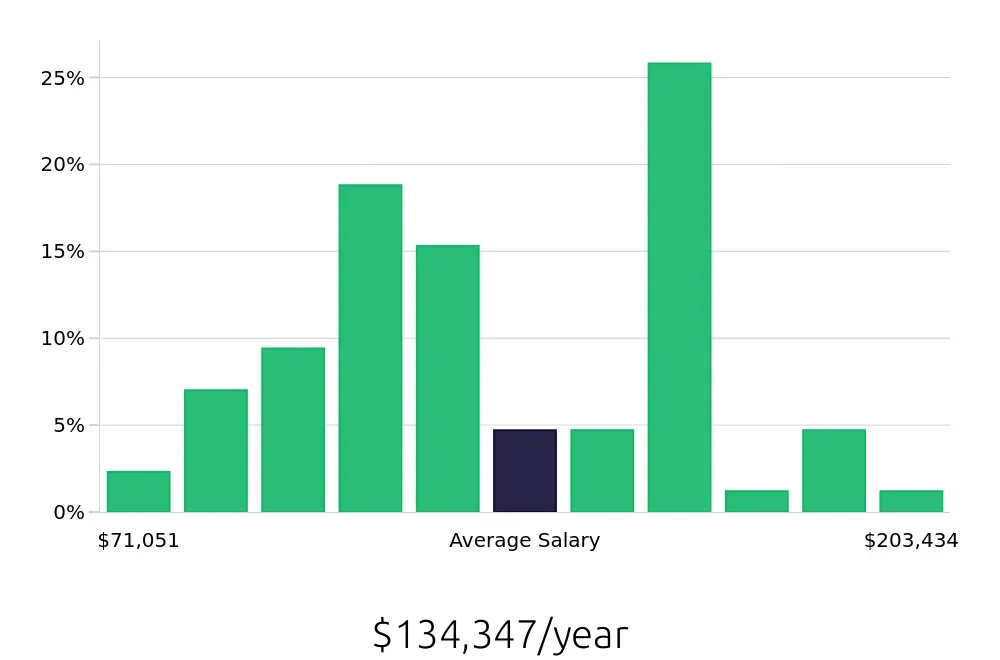
Professionals in this role can expect a competitive average national annual compensation of $94,480, according to the Bureau of Labor Statistics. This figure reflects the value placed on expertise in managing critical care units. The average national hourly compensation amounts to $45.42, highlighting the potential for rewarding careers in this specialized area. These financial incentives make the role of a Critical Care Unit Manager both attractive and sustainable for those committed to healthcare leadership.
For those considering this career path, the increasing number of job positions and the positive salary outlook provide a clear pathway for professional growth and stability. The combination of job availability, growth potential, and competitive compensation makes this role an excellent choice for job seekers aiming for a fulfilling career in healthcare management.
Currently 8 Critical Care Unit Manager job openings, nationwide.
Continue to Salaries for Critical Care Unit Manager