What does a Demand Generation Manager do?
A Demand Generation Manager plays a crucial role in driving the growth of a company by attracting potential customers. This professional develops and executes strategies to create interest and demand for the company's products or services. They work to ensure a steady flow of leads that can be converted into sales. The manager coordinates with marketing, sales, and other teams to align goals and efforts. By analyzing market trends and customer needs, they tailor campaigns to reach the target audience effectively.
Responsibilities of a Demand Generation Manager include designing and managing marketing campaigns, analyzing data to measure success, and continuously optimizing strategies. They use various channels like email marketing, social media, and content marketing to engage with potential customers. The manager also collaborates with external partners and vendors to enhance the company's market presence. Success in this role depends on a combination of creativity, analytical skills, and the ability to work well in a team. With the right approach, a Demand Generation Manager can significantly contribute to a company's growth and revenue.
How to become a Demand Generation Manager?
Becoming a Demand Generation Manager involves several strategic steps. This role requires skills in marketing, sales, and analytics. It focuses on creating demand for a company's products or services. Follow these steps to build a successful career as a Demand Generation Manager.
First, gain relevant experience in marketing or sales. This could be through a degree or job roles. Understanding marketing strategies and sales techniques will provide a solid foundation. Then, develop skills in digital marketing, lead generation, and customer relationship management (CRM). These skills are crucial for success in demand generation.
- Complete a degree in marketing, business, or a related field.
- Gain experience through internships or entry-level jobs in marketing or sales.
- Learn digital marketing tools and platforms, such as Google Analytics and CRM software.
- Develop skills in lead generation, email marketing, and content creation.
- Network with professionals in the field through industry events and online forums.
How long does it take to become a Demand Generation Manager?
The journey to becoming a Demand Generation Manager varies. This role combines marketing and sales skills. It often takes a few years to reach. Experience plays a big part. Companies look for those who understand both aspects well.
Most managers start with entry-level jobs in marketing or sales. They work their way up. Some may need a bachelor's degree in business or marketing. Others may take courses to learn specific skills. Job seekers often gain experience in these areas first. It helps them understand the needs of a company. Getting certifications can also speed up the process. They show dedication and knowledge. A common path includes these steps: starting in a marketing role, gaining experience, learning about sales, and finally, moving into demand generation.
Demand Generation Manager Job Description Sample
We are seeking a strategic and results-oriented Demand Generation Manager to join our team. The ideal candidate will be responsible for driving the growth of our customer base by developing and executing effective demand generation strategies that align with our overall business objectives.
Responsibilities:
- Develop and implement comprehensive demand generation strategies to drive customer acquisition and revenue growth.
- Lead and manage a team of demand generation specialists, providing guidance, training, and performance management.
- Create and oversee multi-channel marketing campaigns, including email, social media, content marketing, and paid advertising.
- Analyze market trends, customer insights, and competitive landscape to identify opportunities for growth and improvement.
- Collaborate with sales, product, and marketing teams to ensure alignment of strategies and tactics.
Qualifications
- Bachelor’s degree in Marketing, Business, or a related field.
- Proven experience (5+ years) in demand generation, lead generation, or a similar role within a B2B or SaaS environment.
- Strong understanding of digital marketing channels, including email marketing, social media, content marketing, and paid advertising.
- Experience with marketing automation tools (e.g., Marketo, Hubspot) and CRM systems.
- Exceptional analytical skills with the ability to interpret data and make data-driven decisions.
Is becoming a Demand Generation Manager a good career path?
A Demand Generation Manager oversees strategies that drive interest and sales for a company’s products or services. They work closely with marketing, sales, and product teams to create campaigns that attract and convert potential customers. This role involves using data to understand customer behavior and improve marketing efforts. The job combines creativity with analytical skills, making it a dynamic position for those who enjoy challenges and strategic planning.
Working in demand generation offers many benefits. It provides opportunities to impact company growth directly. The role often comes with a competitive salary and the chance to work with cutting-edge marketing tools. However, the job can be demanding. It requires a balance between creative marketing and data analysis, which can be stressful. Working in demand generation also means dealing with the pressure of meeting sales targets, which can be challenging at times.
Consider these pros and cons before pursuing a career as a Demand Generation Manager:
- Pros:
- High impact on company revenue and growth.
- Opportunities for career advancement.
- Use of innovative marketing tools and techniques.
- Collaboration with different departments.
- Cons:
- High pressure to meet sales targets.
- Requires a balance between creative and analytical skills.
- Can be a demanding and fast-paced role.
What is the job outlook for a Demand Generation Manager?
Becoming a Demand Generation Manager offers promising career opportunities. The Bureau of Labor Statistics (BLS) reports about 15,300 job positions available each year. This steady demand shows that companies need skilled managers to drive their marketing efforts. These managers create campaigns that attract and engage potential customers.
Job growth for Demand Generation Managers looks positive. From 2022 to 2032, the BLS predicts a 1.6% increase in job openings. This growth means more chances for professionals to find a job in this field. Companies are focusing more on generating demand, so the need for experienced managers will rise. This trend is good news for job seekers aiming to enter or advance in this career.
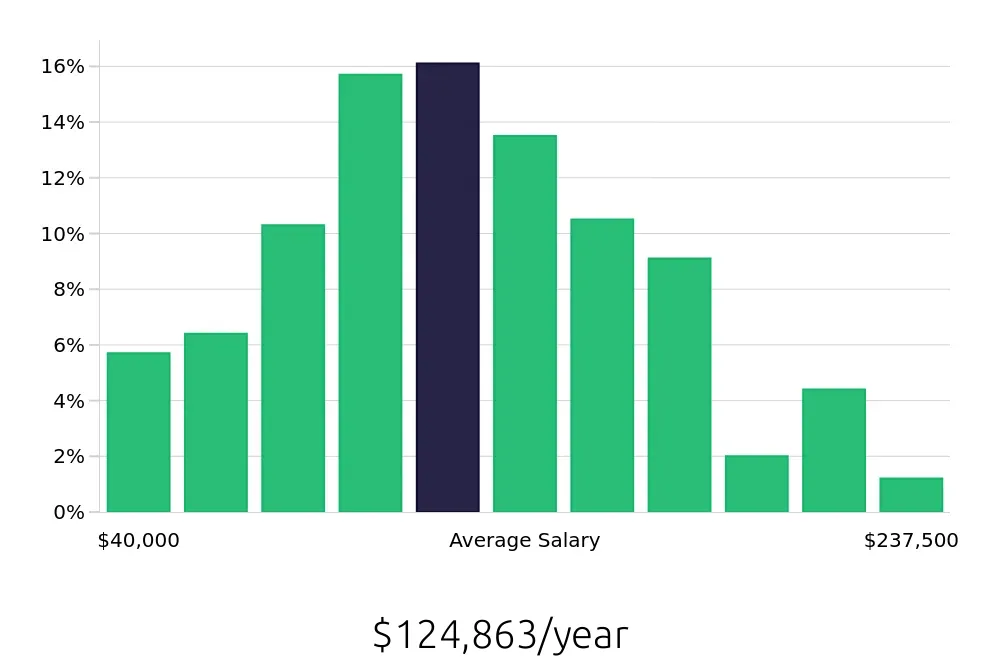
Demand Generation Managers also enjoy a high average annual salary. The BLS reports an average compensation of $125,900 each year. This figure highlights the value companies place on effective demand generation. Hourly compensation averages $60.53, indicating that those in this role can expect to earn well. These figures make this career attractive to professionals looking for both growth and financial rewards.
Currently 73 Demand Generation Manager job openings, nationwide.
Continue to Salaries for Demand Generation Manager