What does a Dietary Manager do?
The Dietary Manager plays a key role in ensuring that food service operations run smoothly. This professional oversees the preparation and delivery of meals. They ensure that all food meets the highest standards. This includes monitoring menu planning, food purchasing, and budgeting. The Dietary Manager also works with kitchen staff to train them on safety and quality procedures. They must have a strong understanding of nutrition and meal planning.
In addition, the Dietary Manager collaborates with healthcare providers. They ensure that meal options meet patients' dietary needs. This involves making adjustments for allergies, special diets, and health conditions. This position requires strong leadership skills and attention to detail. It also involves coordinating with suppliers and managing staff. The Dietary Manager makes sure that all meal services meet health regulations and standards. They contribute to the overall health and well-being of patients and clients.
How to become a Dietary Manager?
Becoming a Dietary Manager offers a rewarding career path in the food and nutrition industry. This role involves overseeing the preparation and service of meals in various settings, ensuring they meet nutritional needs and standards. To achieve this position, follow these essential steps:
First, obtain a high school diploma or GED. This is the foundation for any career. Next, gain relevant experience by working in food service or nutrition. This could be through entry-level positions in restaurants, hospitals, or schools. Gaining practical experience helps build skills and knowledge.
- Earn a Degree: Most employers prefer a bachelor's degree in dietetics, nutrition, or a related field. This formal education provides necessary knowledge and skills.
- Complete an Internship: Look for internships or supervised practice programs. These opportunities offer hands-on experience and networking with professionals in the field.
- Get Certified: Obtain certification from the Commission on Dietetic Registration (CDR). This involves passing an exam and meeting experience requirements. Certification enhances job prospects.
- Apply for Positions: Start applying for Dietary Manager roles. Look for openings in hospitals, schools, or private companies. Highlight your education, certification, and experience in your applications.
- Continue Education: Stay updated with the latest trends and regulations in nutrition. Attend workshops, seminars, and pursue advanced certifications. This ongoing education can lead to career advancement.
How long does it take to become a Dietary Manager?
The path to becoming a Dietary Manager involves a series of educational and professional steps. Most employers require candidates to hold at least a bachelor's degree in nutrition, food service management, or a related field. This degree program typically takes about four years to complete. Completing internships or entry-level positions in food service settings can also provide valuable experience during this time.
After earning a degree, aspiring Dietary Managers often gain further experience in food service management. This may involve working as a dietary aide, a cook, or another related role. Gaining practical experience helps build the skills needed for the job. The exact time needed can vary, but it usually takes about two to three years to accumulate sufficient experience. Some employers may prefer candidates with additional certifications, such as those offered by the Commission on Dietetic Registration (CDR). These certifications can make a candidate more competitive in the job market.
Dietary Manager Job Description Sample
The Dietary Manager is responsible for overseeing the daily operations of the dietary department in accordance with established policies and procedures. This role requires strong leadership skills, knowledge of nutrition and food safety, and the ability to manage a team effectively.
Responsibilities:
- Plan, develop, and implement menus that meet the nutritional needs of clients and comply with regulatory requirements.
- Supervise and coordinate the work of dietary staff, including scheduling, training, and performance evaluations.
- Ensure food is prepared and served in a sanitary and safe manner, adhering to all health and safety regulations.
- Manage inventory and supplies, ensuring adequate stock levels and cost-effective purchasing.
- Collaborate with healthcare professionals to develop special diets and modify menus as needed.
Qualifications
- Bachelor's degree in Food Service Management, Nutrition, or a related field.
- Certified Dietary Manager (CDM) certification or equivalent is preferred.
- Minimum of 3-5 years of experience in a supervisory or management role within a dietary department.
- Strong knowledge of nutrition, food safety, and sanitation standards.
- Excellent leadership and team management skills.
Is becoming a Dietary Manager a good career path?
A Dietary Manager holds a vital role in ensuring the health and nutrition of individuals in various settings, including hospitals, schools, and nursing homes. This role involves creating meal plans that meet dietary needs, supervising kitchen staff, and managing food budgets. A career in this field offers many opportunities for growth and impact.
Pursuing a career as a Dietary Manager provides a unique blend of challenges and rewards. Those interested should consider several factors before making a decision. Below are some pros and cons to think about when considering this path.
- Pros:
- Helping others: You will improve the health and well-being of others through nutritious meals.
- Job stability: With the growing focus on health, the demand for skilled dietary managers remains strong.
- Variety of work environments: Opportunities exist in hospitals, schools, and more, allowing for diverse experiences.
- Cons:
- High stress: Managing a kitchen can be demanding, especially during peak times.
- Irregular hours: Working on weekends and holidays may be necessary, which can be tough for some.
- Budget constraints: Balancing quality meals with budget limits can be challenging.
What is the job outlook for a Dietary Manager?
Job seekers in the nutrition field looking for a stable career may find the role of a Dietary Manager to be a promising opportunity. According to the Bureau of Labor Statistics (BLS), this profession is expected to see a steady number of job positions opening each year, averaging at 188,900. This indicates a consistent demand in the job market, making it a reliable career path for those entering the field.
Prospective Dietary Managers can look forward to favorable job outlook data as well. The BLS projects a 4.9% increase in job openings from 2022 to 2032, suggesting that this profession is growing. This growth not only offers job security but also opens the door for career advancement and potential salary increases. It's a positive sign for those considering a career in dietary management.
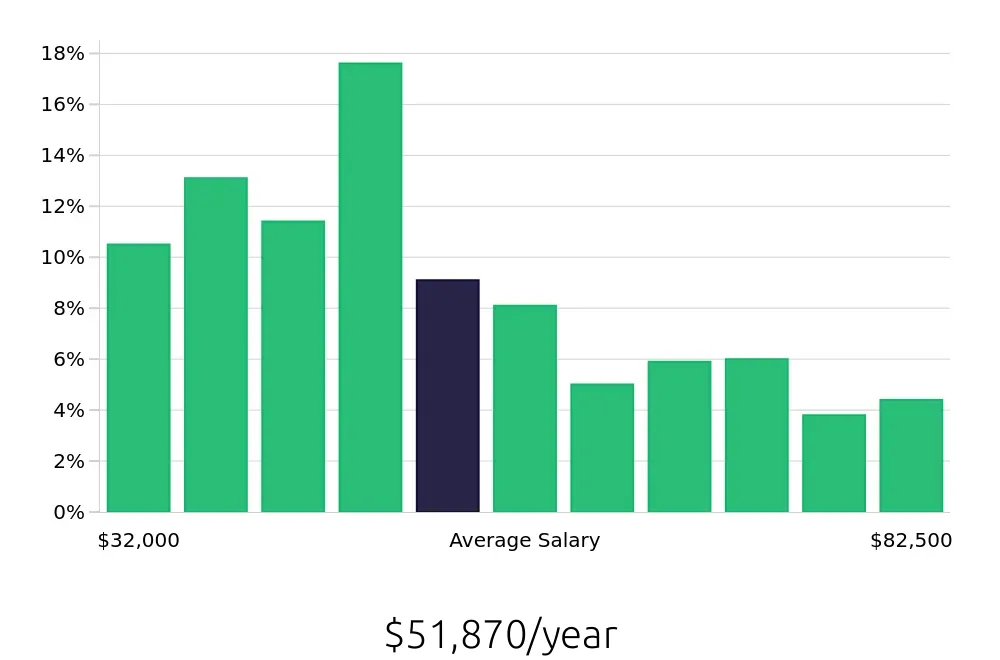
Financially, this role provides a solid compensation. The average annual salary for Dietary Managers is $45,780, with an hourly rate of $22.01 according to the BLS. These figures reflect a rewarding career both in terms of job satisfaction and financial stability. Aspiring Dietary Managers can expect a respectable income while contributing to the health and well-being of others in their communities.
Currently 459 Dietary Manager job openings, nationwide.
Continue to Salaries for Dietary Manager